Belgrade, Serbia – In a result that has stunned observers and reshaped the country's political trajectory, Serbia's snap election has brought an end to Aleksandar Vučić's 14-year rule. The victory of the student-led movement, which emerged from months of protests, marks a turning point in Serbian parliamentary democracy.
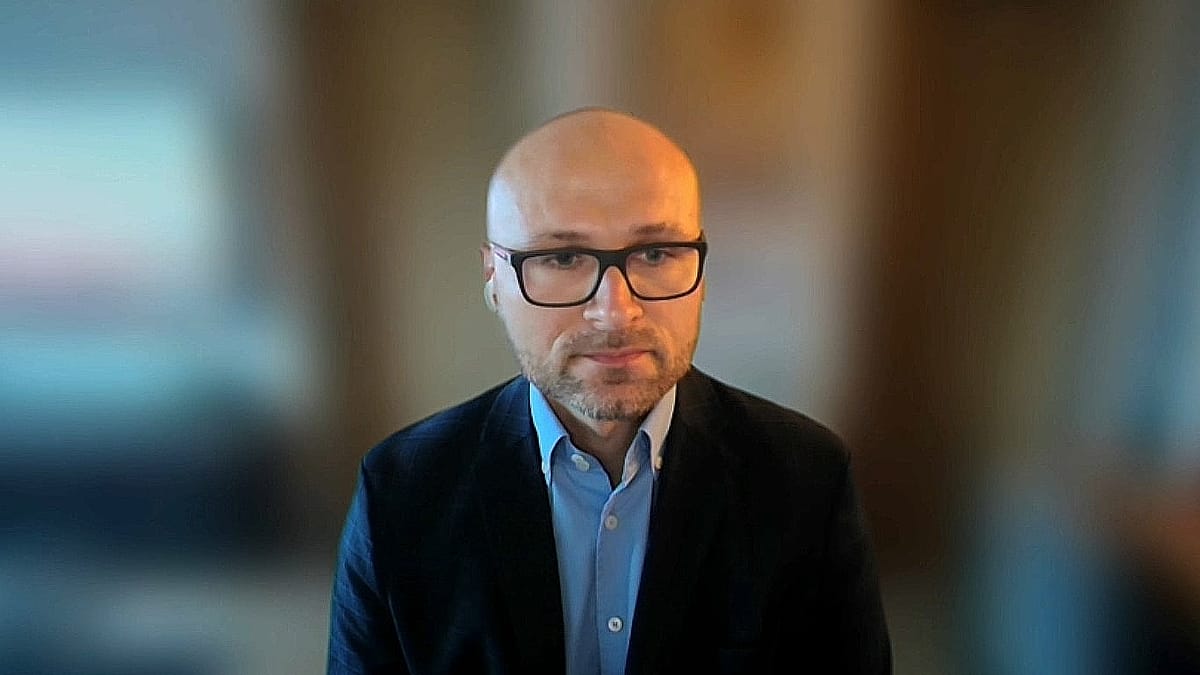
Bojan Vranić, a professor of political science at the University of Belgrade, described the outcome as an "extraordinary historical moment" that "completely changes the political landscape of the country." He emphasized that the win is not just a defeat for Vučić's government, but also a rebuke of the established parliamentary opposition, which has been swept aside by a new, fresh political elite.
A new political force
The election, called as a snap vote, became a referendum on Vučić's decade and a half in power. The student movement, which began as a protest against government corruption and authoritarian drift, transformed into a political force capable of mobilizing voters across the country. Their victory has been met with celebrations in Belgrade and other cities, as crowds gathered to mark the end of an era.
Vučić has conceded defeat, acknowledging the will of the electorate. However, the question of who will lead Serbia's next government remains unresolved. The student movement, while united in its opposition to Vučić, has yet to name a prime ministerial candidate or outline a detailed policy agenda.
Vranić cautions against expecting radical change in the short term. "We should expect continuity, with some improvements," he said, predicting that the new government will focus on stabilizing institutions and addressing immediate concerns rather than pursuing sweeping reforms.
European implications
The election outcome has significant implications for Serbia's relationship with the European Union. Brussels has long urged Belgrade to strengthen the rule of law and tackle corruption as part of its accession process. The student-led victory is seen as a potential opening for a reset in EU-Serbia relations, with the bloc welcoming the result and backing a reform path. However, the path forward remains uncertain, as the new government will need to balance domestic expectations with the complex geopolitical pressures that have defined Serbia's foreign policy.
The change in leadership also comes at a time of regional flux, with the Western Balkans facing challenges from external actors and internal political tensions. Serbia's next government will need to navigate these dynamics while addressing the demands of a young, energized electorate that has shown it can reshape the political order.
For now, the focus is on the transition. The student movement's victory is a testament to the power of civic mobilization, but the hard work of governing lies ahead. As Vranić noted, the election has brought in a new elite, but whether it can deliver on its promises will be the true test of this historic moment.