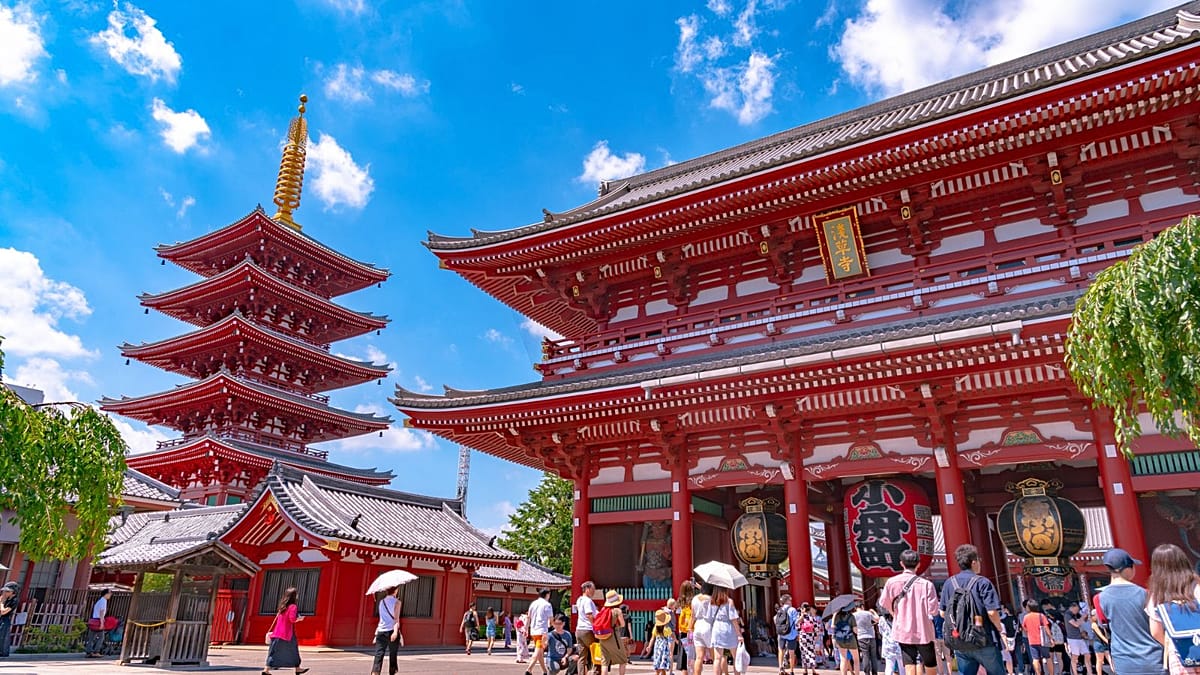
Japan is set to implement its steepest visa fee increase in nearly half a century, with tourist visa costs rising fivefold from July 1, 2026. The decision, approved by the cabinet on June 19, marks the first revision of visa charges since 1978.
Under the new structure, a single-entry visa will cost ¥15,000 (approximately €87), up from ¥3,000. Multiple-entry visas will jump from ¥6,000 to ¥30,000 (€175). The increases apply to most foreign visitors who require a visa to enter Japan, including tourists and business travellers from many European countries.
Japanese Foreign Minister Toshimitsu Motegi said the government reviewed the fees because the existing system no longer reflected the true administrative cost of issuing visas and managing immigration procedures. Officials argue that even after the hike, Japan's fees remain broadly comparable to those in the United States and Germany.
Broader immigration reform
The visa fee increase is part of a larger overhaul of Japan's immigration system. On May 29, the upper house of parliament approved revisions to the Immigration Control and Refugee Recognition Act, which raises the legal ceiling for a range of immigration-related charges. The maximum fee for residence-status changes and visa renewals will rise from ¥10,000 (€58) to ¥100,000 (€583), while permanent residency applications could cost up to ¥300,000 (€1,750). Actual fees will be set later through cabinet orders and public consultation.
Government proposals indicate that long-term residents may eventually pay between ¥10,000 and ¥70,000 (€58–€408) for status renewals, depending on the duration. Permanent residency applicants could face a fee of ¥200,000 (€1,167), a dramatic increase from the current ¥10,000 (€58). These changes are expected to take effect before the end of the 2026 fiscal year on March 31, 2027.
Tokyo says the additional revenue will help fund the administration of Japan's growing foreign population, which reached a record 4.13 million at the end of 2025. Immigration services need more staffing, technology, and infrastructure to manage rising demand. Part of the funding will support Japanese-language education programmes for foreign residents and strengthen measures against illegal overstaying.
The legislation also creates a new online travel authorisation programme, the Japan Electronic System for Travel Authorization (JESTA), similar to systems used in the United States and the United Kingdom. Travellers from visa-exempt countries will be required to submit information before departure. JESTA is expected to launch in fiscal 2028.
Despite the sharp increase, Japanese officials do not expect a major impact on inbound tourism. Japan has experienced record growth in international visitors in recent years, helped by a weak yen and strong global demand for travel to destinations such as Tokyo, Kyoto, and Osaka. For European travellers, the higher visa costs may be offset by the yen's current weakness, making Japan an attractive destination for those from the eurozone and the United Kingdom.
The fee hike comes as Japan continues to deepen its ties with Europe, including cultural exchanges such as the Amaterasu Stage Production celebrating 160 years of Belgium-Japan ties in Brussels. Meanwhile, the country's immigration reforms reflect a broader global trend of tightening border controls and increasing administrative costs, a pattern also seen in the EU's evolving visa policies.