This summer has brought an unusual influx of Portuguese man o' war to the Cantabrian coast, with authorities in northern Spain restricting swimming and closing several beaches after a spike in stings. In a single day, more than a hundred people were treated for injuries along the shoreline, according to local reports.
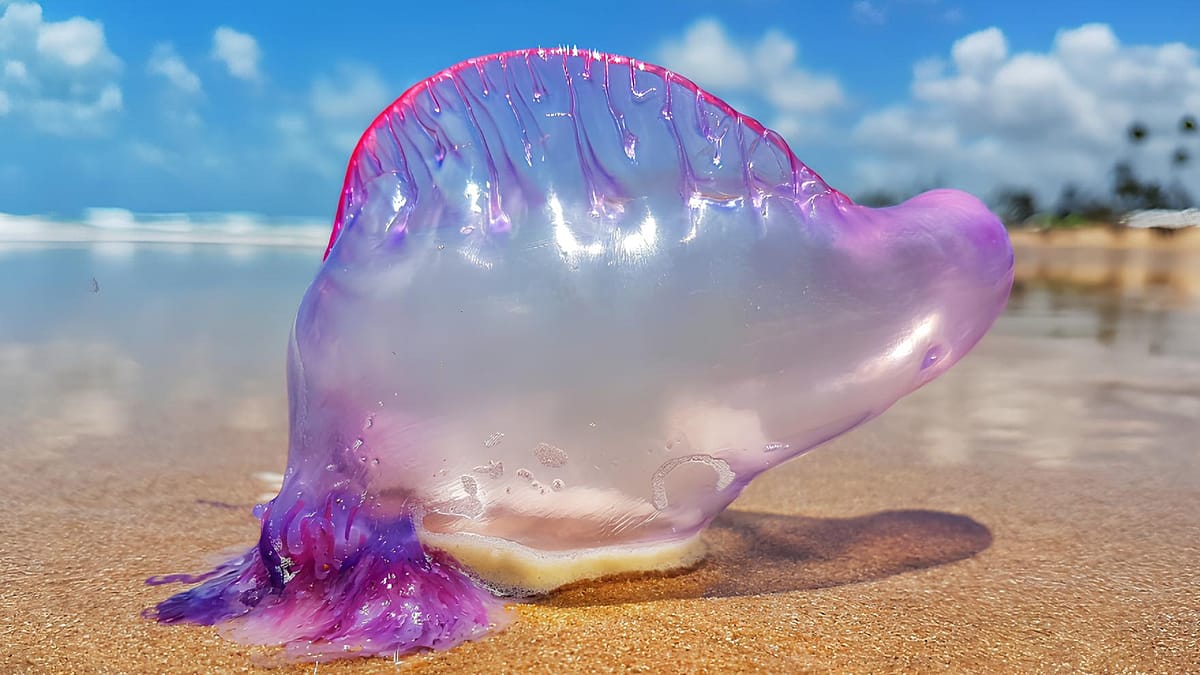
The species, Physalia physalis, is not a true jellyfish but a colonial organism made up of specialised polyps working together. Its long, venomous tentacles can deliver a painful sting that, in rare cases, triggers serious allergic reactions. The Basque Government's health department has therefore urged beachgoers to avoid contact entirely, even with specimens that appear dead or washed up on the sand.
Beach closures and public response
In the Basque Country, municipalities including San Sebastián have had to close stretches of sand temporarily as the organisms drifted close to shore. The city council said most of the reported stings were minor and that the number of incidents remained low relative to the volume of visitors. Still, the closures have disrupted the peak holiday season, and lifeguards have been distributing warnings in several languages.
The surge has also been felt in Cantabria, where regional authorities have stepped up monitoring and asked swimmers to stay alert. The phenomenon is not unprecedented—Portuguese man o' war occasionally appear in the Bay of Biscay when warm currents push them north from the Atlantic—but this year's numbers are notably higher than in recent seasons.
Official advice for sting treatment
The Basque Government's Department of Health has published a clear set of recommendations for anyone who is stung. The first step is to leave the water immediately and head to the nearest lifeguard post or seek medical help if symptoms are severe.
The official guidance includes:
- Rinse the affected area with seawater or a saline solution only.
- Avoid fresh water, as it can cause more venom to be released.
- Remove any remaining tentacles with tweezers or a similar tool—never with bare hands.
- Apply cold using an ice pack wrapped in a cloth.
- Seek urgent medical attention if you experience dizziness, nausea, difficulty breathing, or very intense pain.
Health officials stress that even dried-out tentacles on the sand can still sting, so beachgoers should not touch them. The advice is consistent with guidance from marine biology experts across Europe, who note that vinegar, once commonly recommended, is now debated because it may aggravate certain stings.
Broader European context
The incident comes as coastal regions across southern Europe grapple with rising numbers of jellyfish and similar organisms, a trend linked to warming seas and changing currents. In recent years, the Mediterranean has seen larger blooms, and this summer has also brought health alerts for other marine-related risks in Greece and Italy.
For now, the Basque authorities are monitoring the situation closely and expect the organisms to disperse as conditions change. Visitors to the region are advised to check local beach flags and heed lifeguard warnings. The episode is a reminder that even the most popular European beaches can host unexpected wildlife, and that a little caution goes a long way.