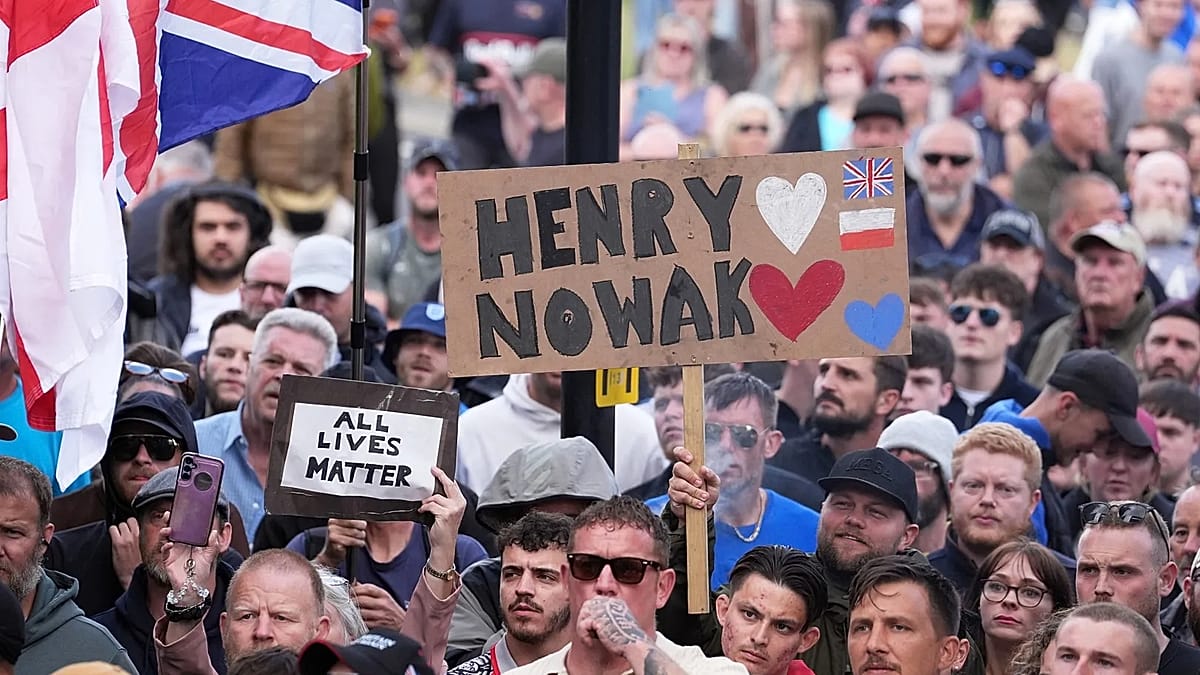
US Vice President JD Vance has sharply criticized British authorities over the murder of 18-year-old Henry Nowak in Southampton, framing the case as emblematic of a broader civilizational decline driven by mass migration. In a post on X, Vance wrote that Nowak died "handcuffed by authorities who neither trusted nor cared for him, and accused of hate crimes he did not commit."
Nowak was stabbed by 23-year-old Vickrum Digwa, a Sikh man, in December. Police handcuffed Nowak as he lay dying after Digwa falsely claimed to be the victim and alleged that Nowak had racially insulted him. Hampshire Police has since apologized to Nowak's family, and the case has been referred to the Independent Office for Police Conduct for review.
Political Fallout and US Intervention
The murder has become highly politicized in the United Kingdom, with figures from the Trump administration weighing in. Vance, a longstanding critic of European migration policies, is the highest-ranking US official to comment on the killing. He argued that Nowak would still be alive "if the last few generations of European elites had stood their ground against the politics of self-hatred and the mass invasion of migrants, many of whom despise the West."
The US State Department issued a statement on Thursday accusing British policing of a "two-tiered" approach, suggesting that Nowak's treatment reflected systemic bias. Tech billionaire Elon Musk, owner of X, has also posted repeatedly about the police response, amplifying the controversy.
The case has sparked violent protests in Southampton, with two individuals charged in connection with the unrest. Southampton erupted in violence after Digwa's conviction, highlighting deep divisions within the community.
Vance's comments have drawn sharp reactions across Europe. Critics argue that his remarks exploit a tragedy to advance a nativist agenda, while supporters claim they expose failures in British policing and integration policies. The incident has also reignited debates about migration in other European capitals, from Berlin to Paris.
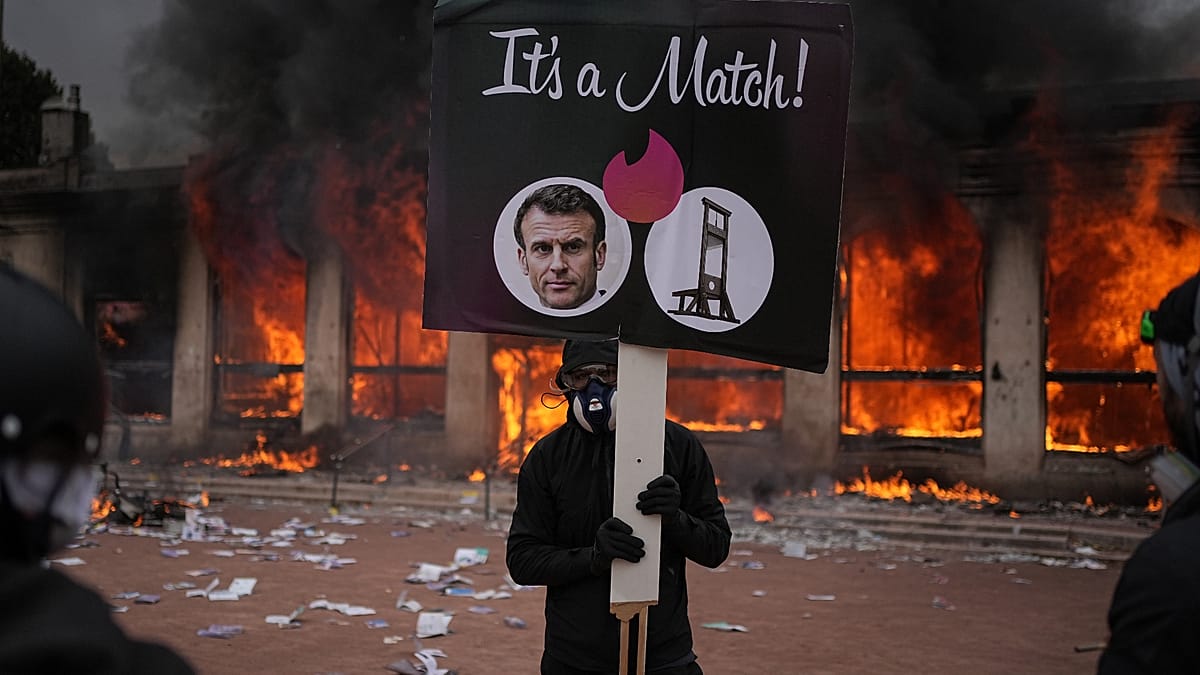
In France, President Emmanuel Macron recently condemned judicial failures after an unrelated murder in southwestern France, calling for reforms to protect citizens. The parallel cases underscore a growing unease across the continent about public safety and institutional accountability.
Nowak's murder is not an isolated event, but part of a pattern that raises questions about how European societies handle crime, migration, and policing. As the US administration increases its scrutiny of European affairs, the case has become a flashpoint in transatlantic relations.
Hampshire Police has pledged to cooperate fully with the Independent Office for Police Conduct review, but the damage to public trust may take longer to repair. For now, the killing of Henry Nowak serves as a grim reminder of the tensions simmering beneath the surface of European cities.