The powerful sister of North Korean leader Kim Jong-un has dismissed South Korea's claim that the North planted landmines which injured three soldiers last week, calling it a “conspiratorial farce” and warning of “merciless retaliation” if Seoul continues to fire warning shots at North Korean troops working near the border.
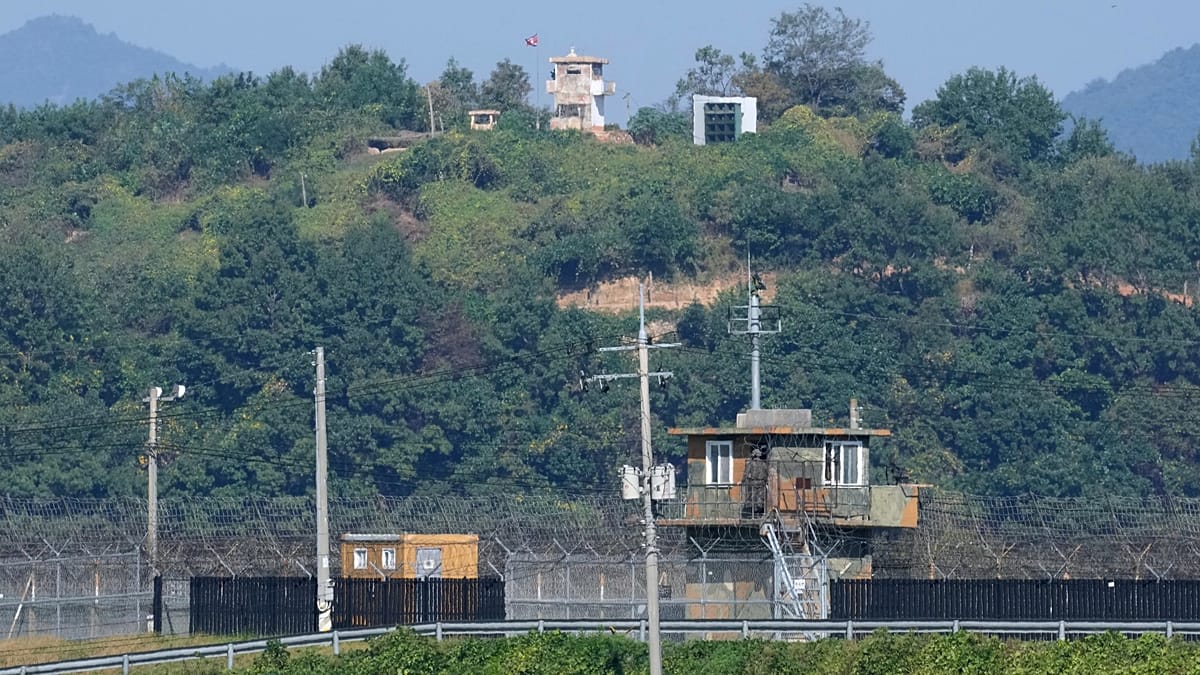
Kim Yo-jong, considered the second most influential figure in Pyongyang, made the remarks on Wednesday in response to a preliminary assessment by South Korea's military, which concluded that the explosions on 21 September near the military demarcation line in the western section of the Demilitarized Zone (DMZ) were caused by North Korean mines. The assessment followed a joint inspection with the US-led United Nations Command.
The incident has further strained relations between the two Koreas, which lack functioning military hotlines or emergency communication channels. Pyongyang has been hardening its stance toward Seoul while continuing to expand its nuclear weapons programme, a development that has drawn concern from European capitals and NATO allies.
Kim's warning and the border fortifications
Kim Yo-jong accused Seoul of fabricating evidence to create a pretext for provocation. “Our soldiers have never crossed the border,” she insisted, criticising the South for broadcasting warnings and firing warning shots at North Korean troops conducting front-line fortification work. She warned that if the South Korean military fires at North Korean soldiers “carrying on the permanent project for the southern border, not warning shots, our border units will take immediate and merciless retaliatory action.”
In recent years, North Korea has added landmines, anti-tank barriers, and other fortifications along the border, raising concerns in Seoul about the growing presence of North Korean soldiers near the demarcation line. The explosions occurred about 10 metres south of the military demarcation line, during an operation to establish a patrol route through a densely vegetated area. The route was intended to facilitate future inspections with the UN Command, after South Korea detected “terrain changes” last year that may have resulted from North Korean minelaying.
The DMZ, a 248-kilometre strip, remains one of the world's most heavily fortified borders, with an estimated two million landmines, barbed-wire fences, tank traps, and combat troops on both sides. The August 2015 landmine blasts, which maimed two South Korean soldiers, sharply escalated tensions, leading to threats, weapons demonstrations, and resumed propaganda broadcasts before marathon talks defused the crisis. North Korea issued a vague expression of regret at the time but never clearly accepted responsibility.
UN Command cites armistice violation
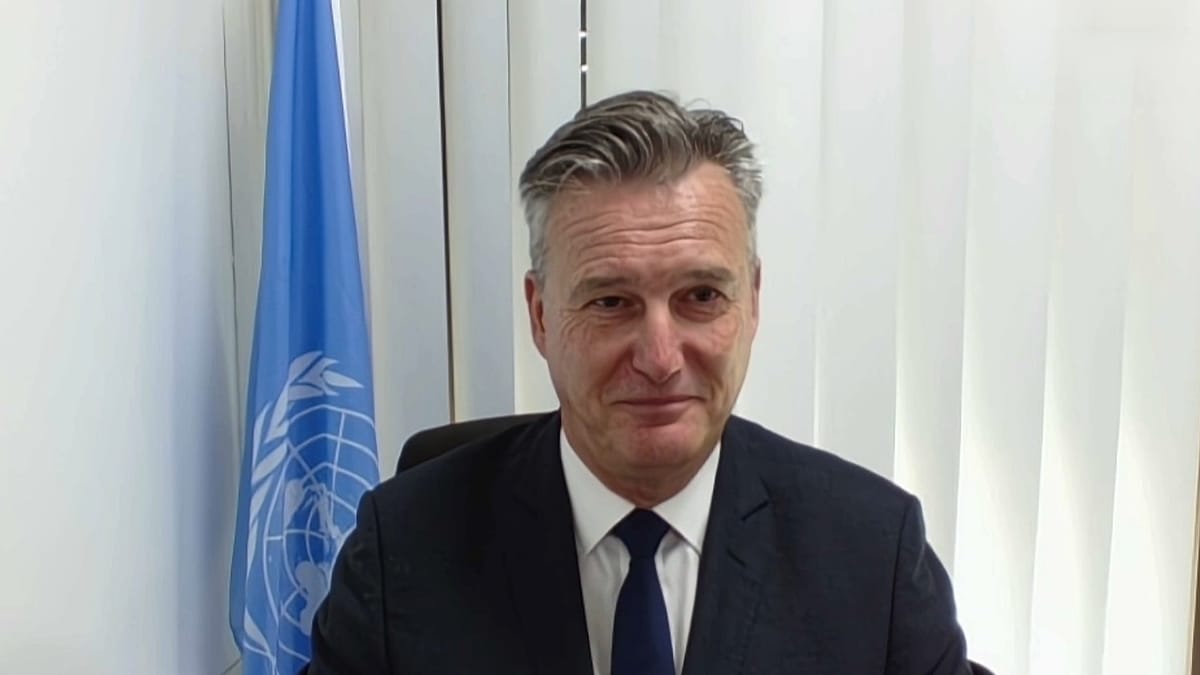
The UN Command said on Wednesday that North Korea had violated the armistice agreement that ended the 1950-53 Korean War. The agreement prohibits hostile acts “within, from, or against” the DMZ and bans unauthorised crossings of the military demarcation line. The UN Command said it was addressing the violation through established mechanisms but did not elaborate.
South Korea's Joint Chiefs of Staff director of operations, Kang Hyunwoo, said the military “strongly urges” North Korea to apologise for the blasts and take “responsible measures” to prevent a recurrence. Defence Minister Kang Shin-chul said the South would consider unspecified “corresponding measures” if a complete investigation confirms the North's responsibility.
The standoff comes amid broader regional tensions, including suspected North Korean cyberattacks that have drawn international attention. While the immediate focus is on the Korean Peninsula, the implications for European security are not lost on observers, given the North's expanding missile and nuclear capabilities and its deepening ties with Russia. European diplomats have repeatedly called for dialogue and de-escalation, but with no communication channels between the two Koreas, the risk of miscalculation remains high.
As the situation develops, the international community, including European Union member states, will be watching closely. The UN Command's involvement underscores the fragile nature of the armistice, and any further escalation could have ripple effects far beyond the peninsula.