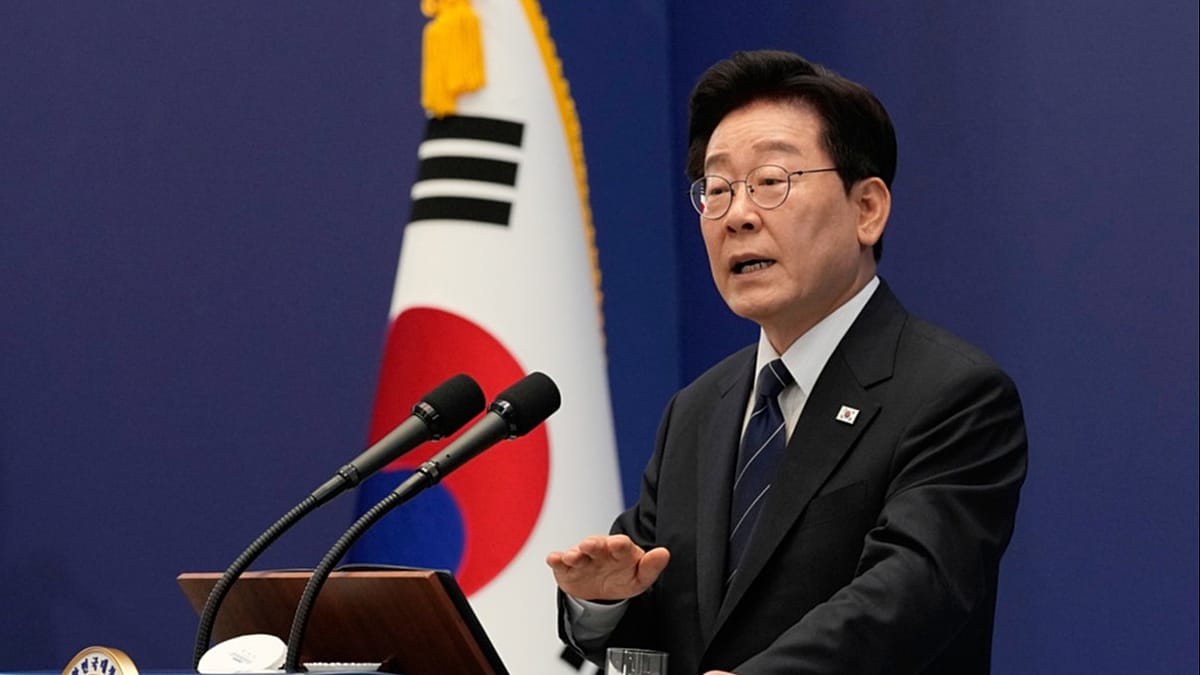
South Korea has decided to recall its ambassador to Ukraine, escalating a diplomatic dispute that erupted after President Volodymyr Zelenskyy publicly mentioned the transfer of two North Korean prisoners of war to Seoul. The move, announced on Thursday, comes just days after South Korean President Lee Jae-myung threatened unspecified punitive measures unless Ukraine apologised for the disclosure.
The South Korean Foreign Ministry did not specify when Ambassador Park Ki-chang would return home, but said in a statement that consultations with Ukraine would continue and expressed hope the disagreement could be resolved smoothly. The ministry's tone suggests a desire to contain the fallout, even as Seoul signals its displeasure.
In Kyiv, Ukrainian Foreign Ministry spokesperson Heorhii Tykhyi said the government remains open to “constructive dialogue” despite the recall. “Diplomacy must prevail over emotions,” he told Ukrainian media, striking a conciliatory note while defending Ukraine's position.
What sparked the row
The friction began when Zelenskyy, during his address to the United Nations General Assembly on 23 September, spoke about the transfer of the two North Korean soldiers. Seoul has accused Kyiv of violating a non-disclosure agreement that supposedly governed their handover in mid-September. Ukrainian officials deny any such deal was ever signed.
The two soldiers were among thousands of North Korean troops deployed to support Russia's invasion of Ukraine. Captured in early 2025, they reportedly expressed a wish to resettle in South Korea, fearing persecution if they were returned to the North. South Korea, which legally regards the North as part of its territory and has a longstanding policy of accepting and financially supporting defectors, had agreed to take them in.
South Korean officials say the confidentiality clause was meant to protect the soldiers and their relatives still in North Korea. But analysts suggest the liberal government in Seoul may also be wary of undermining its fragile efforts to engage Pyongyang. North Korea's state media has remained silent on the transfer, though the regime has historically reacted furiously to high-profile defections, accusing the South of kidnapping its citizens.
Pyongyang has refused dialogue with Seoul and Washington since 2019, focusing instead on expanding its nuclear arsenal. The disclosure of the POW transfer could complicate any future outreach, even as inter-Korean relations remain frozen.
Strategic stakes for Seoul
Despite the diplomatic spat, experts argue that maintaining a working relationship with Ukraine is in South Korea's national interest. Kyiv could provide valuable intelligence on North Korea's growing military cooperation with Russia, including battlefield tactics and weapons performance. Such information is crucial for Seoul as it monitors Pyongyang's increasingly assertive posture.
Cooperation with Ukraine also matters for South Korea's ties with Western allies, many of whom are deeply invested in supporting Kyiv against Moscow. A prolonged rupture could strain those relationships, which Seoul has cultivated carefully.
Observers believe Zelenskyy deliberately publicised the POW transfer to highlight the dangers of North Korean involvement in Russia's war, hoping to galvanise further international support for Ukraine. The strategy has worked in part, drawing attention to the expanding axis between Moscow and Pyongyang, but it has also created this diplomatic headache.
South Korea has provided $445 million (€396 million) in humanitarian aid to Ukraine since 2022. In July, President Lee pledged an additional $100 million (€89 million) during a meeting with Zelenskyy. Those commitments remain in place, but the current tension could affect future assistance.
For now, Kyiv's offer of dialogue appears to leave the door open. Whether Seoul walks through it will depend on how much weight it places on the principle of confidentiality versus the practical benefits of continued cooperation. The coming weeks will show whether this is a temporary storm or a more lasting chill in relations.