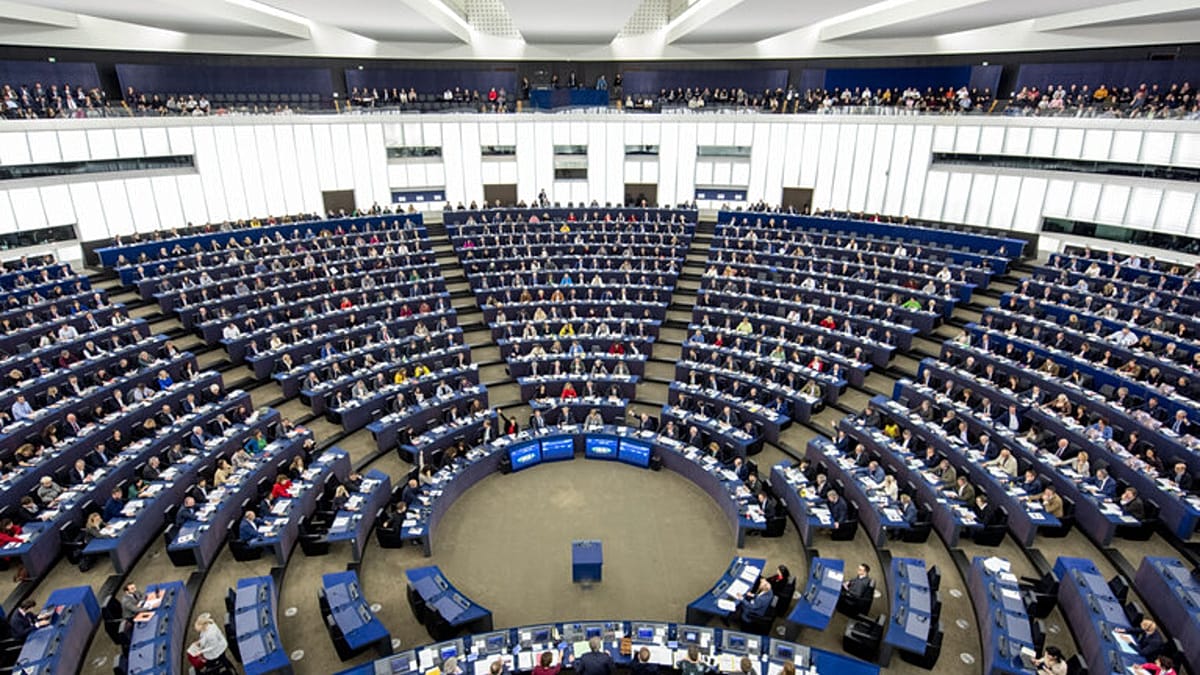
The Left group in the European Parliament is preparing to demand a 50% cut to MEP salaries, arguing that the current pay package alienates lawmakers from the everyday realities of European citizens. The proposal, tabled by Belgian MEP Marc Botenga, would reduce the basic net monthly salary from €8,772.70 to roughly €4,400.
The measure is part of an amendment to the Parliament's budget resolution for next year, scheduled for a vote during the plenary session in Strasbourg in two weeks. Botenga told European Pulse that MEPs are "very disconnected from the people," adding that their salary means they "do not know what it means not being able to pay rent."
The Left estimates the cut would free up more than €50 million from the Parliament's 2026 budget. The amendment states: "At a time when workers face rising costs and pressure on living standards, elected representatives should lead by example and share in the efforts required of society."
However, the proposal is likely to face stiff resistance from other political groups. Estonian MEP Jaak Madison, from the European Conservatives and Reformists, dismissed it as "a classic case of populism." He suggested that if Left MEPs wanted to show genuine solidarity, they could simply stop claiming the daily attendance allowance of over €350, which they receive for showing up in Brussels or Strasbourg.
German Green MEP Daniel Freund echoed that sentiment, calling the move a "populist stunt." He noted that the current salary rules are "quite sensible" because they are tied to salary developments in the member states.
Botenga acknowledged that a similar proposal was already rejected in the Parliament's Committee on Economic and Monetary Affairs, and he expects the full chamber to do the same. Still, the debate highlights a growing frustration with the financial privileges of EU lawmakers.
Beyond the basic salary
MEPs currently receive a net monthly salary of €8,772.70, but that is only part of the picture. They are also entitled to a general expenditure allowance of €4,950 per month, which is halved if they attend fewer than half of the plenary sittings in a year without justification. In addition, a flat-rate daily allowance of €359 covers accommodation, meals, and related expenses for each day spent in Brussels or Strasbourg, provided they sign the attendance register.
Together, these payments can push total monthly income to around €18,000, though the amount varies depending on the Parliament's working calendar. On top of that, each MEP receives over €32,000 per month to cover parliamentary assistants' salaries. Former MEPs are entitled to a pension from age 63, calculated at 3.5% of their salary for each full year in office.
The proposal comes at a time when public trust in EU institutions is under scrutiny, and some see it as an attempt to address that disconnect. But critics argue that cutting salaries would not solve the underlying issues and could deter qualified candidates from seeking office.
As the debate unfolds, it remains to be seen whether the amendment will gain traction or be dismissed as a symbolic gesture. For now, the Left's initiative has reignited a broader conversation about the remuneration of European lawmakers and their accountability to the citizens they serve.