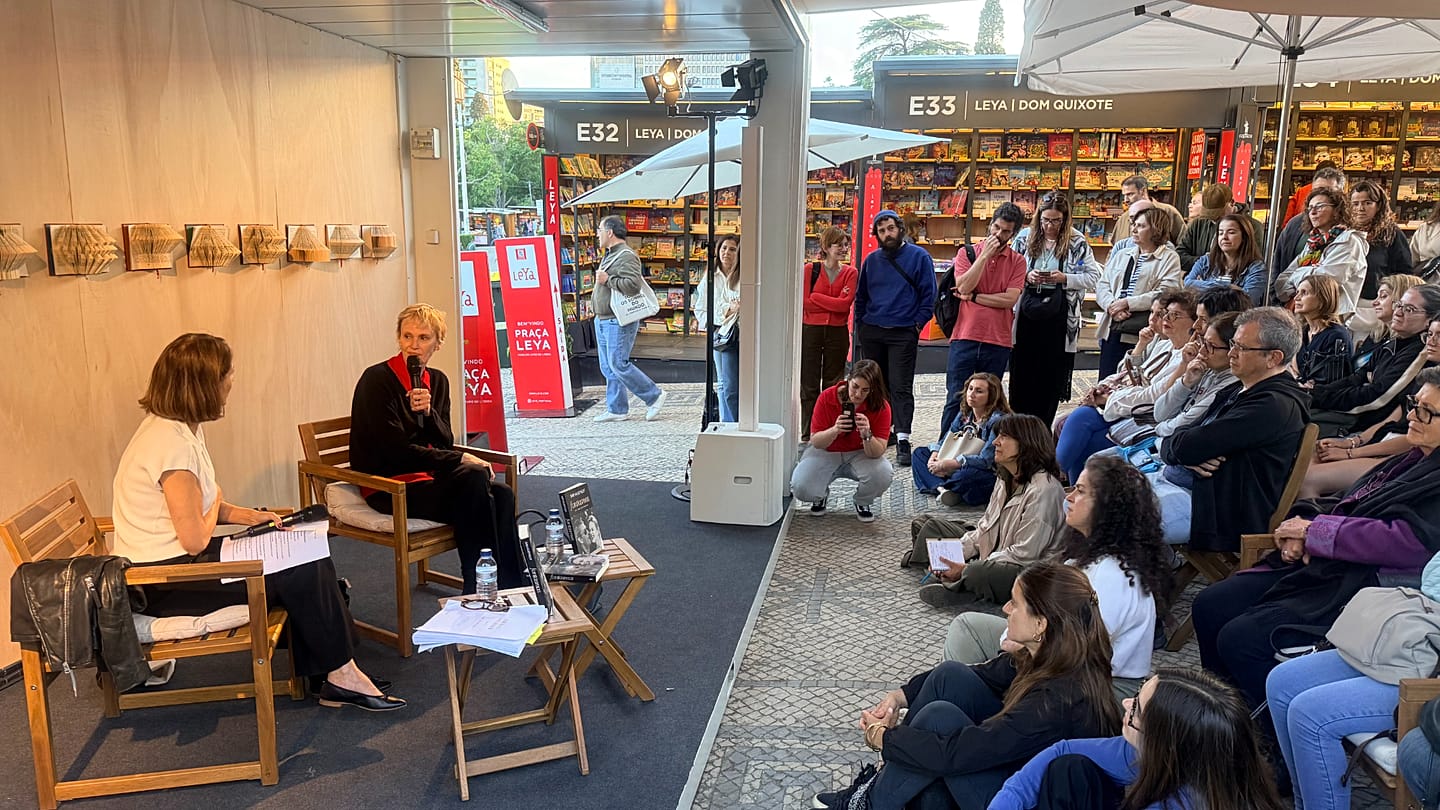
In Lisbon, June is synonymous with the Santos Populares festivities, but for book lovers, the month also marks the return of the Lisbon Book Fair. Since 1930, this event has turned Parque Eduardo VII into the country's largest open-air bookshop, drawing tens of thousands of visitors each year. We spent a day there to understand its enduring appeal.
A Literary Tradition in the Heart of Lisbon
The fair, now in its 96th edition, is a cornerstone of Portuguese cultural life. Spread across the park's sloping lawns, hundreds of stalls from publishers, bookshops, and cultural institutions offer everything from bestsellers to rare editions. The atmosphere is a blend of a bustling market and a literary salon, with authors signing books and readers browsing under the Lisbon sun.
For many visitors, the fair is a family tradition. Parents bring children to discover new stories, while older generations seek out classics. The event also attracts international tourists, drawn by the chance to explore Portuguese literature and meet authors from across the lusophone world. As one attendee told us, 'It's not just about buying books; it's about the experience of being part of a community that values reading.'
Authors and Readers Connect
The fair's program includes debates, workshops, and book launches, but the highlight remains the author signings. Portuguese writers like Valter Hugo Mãe and Lídia Jorge, as well as international guests, draw long queues. Readers often bring well-worn copies, seeking personal dedications. This direct interaction between creators and their audience is a key reason the fair remains relevant in an age of digital reading.
One publisher noted that the fair accounts for a significant portion of annual sales for many houses. 'It's a moment when the entire literary ecosystem comes together,' she said. 'Publishers, authors, booksellers, and readers all in one place.' The fair also highlights the diversity of Portuguese-language literature, from African and Brazilian authors to works from the Azores and Madeira.
Beyond the Books: A Cultural Festival
The fair coincides with the Santos Populares celebrations, adding a festive layer. Visitors can enjoy grilled sardines and local wine at nearby stalls, while live music and street performances create a carnival atmosphere. This blend of high culture and popular tradition is uniquely Lisbon.
This year, the fair also addressed contemporary issues. Panels discussed the future of publishing in the digital age, the role of libraries in communities, and the importance of preserving endangered languages. The event's organizers emphasized the fair's role in promoting literacy and cultural exchange, especially among younger audiences.
For those unable to attend, many publishers offer online discounts and virtual events, but the physical experience remains irreplaceable. As one bookseller put it, 'There's something magical about seeing a child's face light up when they find the perfect book.'
The Lisbon Book Fair runs through the end of June, offering a final opportunity to explore Portugal's literary landscape. For more on the city's June traditions, see our guide to Saint Anthony's Heat Wave and the record attendance figures from previous years.