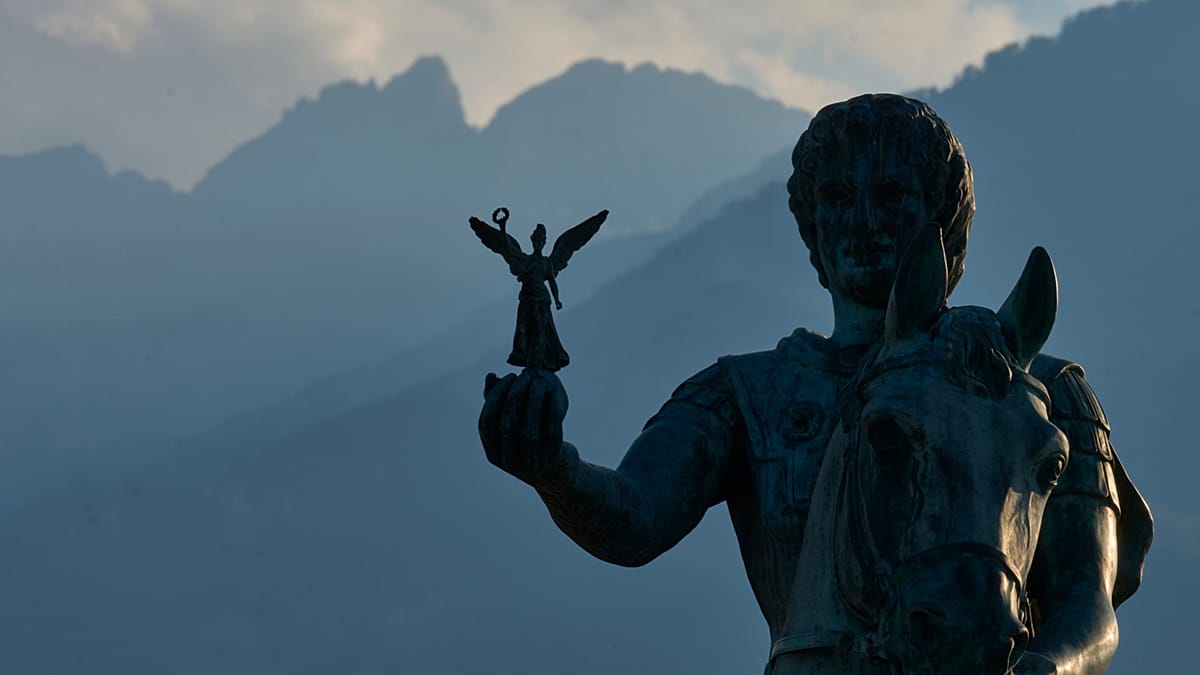
UNESCO's World Heritage Committee, meeting in Busan, South Korea, has added two major European sites to its prestigious list: Greece's Mount Olympus and the D-Day beaches of Normandy, France. The decisions, announced during the 48th session that began on 19 July, highlight the continent's blend of natural mythology and modern history.
Mount Olympus: from myth to global heritage
Mount Olympus, the highest peak in Greece at 2,918 metres and long celebrated as the mythical home of Zeus and the twelve Olympian gods, was unanimously recognised for its outstanding universal value. Greek Prime Minister Kyriakos Mitsotakis called the inscription "a national achievement of the highest order," adding that "from today, the mythical Olympus becomes a mountain for all humankind, which must be protected forever."
The designation crowns a 12-year effort by Greek authorities. The mountain is not only a striking natural landscape but also a cultural touchstone, with ancient traditions linking it to the pantheon of Greek mythology. Its rich ecosystem hosts rare flora and fauna, alongside archaeological monuments that connect the area to centuries of history and culture. The joint announcement from Greece's ministries of Culture and Environment & Energy described the inclusion as "one of the most important international distinctions in the field of protecting cultural and natural heritage."
Greece's success comes amid broader European efforts to safeguard heritage, including Uzbekistan's new center for Islamic civilization, which bridges centuries of heritage in Central Asia.
Normandy beaches: a testament to liberation
The five beaches used for the Allied landings on 6 June 1944—Utah, Omaha, Gold, Juno, and Sword—were also inscribed on the UNESCO list. These sites, part of the campaign to liberate Western Europe from Nazi occupation during the Second World War, contain extensive remains of German fortifications, visible traces of bombardment, and sunken ships. The International Council on Monuments and Sites, which evaluates applications for the World Heritage Committee, found that the area provides evidence of a historic event "that is considered to have enabled the return of freedom and heralded lasting peace on the European continent."
The recognition of the D-Day beaches follows a long campaign by French and international advocates, as UNESCO decision nears for Normandy D-Day beaches had been anticipated for months.
Other European additions
The UNESCO session also added several other European sites. In Italy, the historic theatres of the Marche region were recognised for their architectural and cultural significance. France secured a place for the Royal Capetian fortress complex in Languedoc, a medieval stronghold. Finland's 13 emblematic architectural works by Alvar Aalto, known as Aalto Works, were inscribed, showcasing modernist design. In Germany, the Waldsiedlung Zehlendorf in Berlin was added as an extension of the already listed "Siedlungen der Berliner Moderne," highlighting early 20th-century housing estates.
These additions underscore Europe's diverse heritage, from ancient myths to modern architecture. The D-Day beaches, in particular, serve as a somber reminder of the continent's 20th-century struggles, while Mount Olympus connects to its ancient roots.
Other non-European sites inscribed include Japan's ancient capitals Asuka and Fujiwara, and the Boma-Badingilo area of South Sudan, which hosts the Great Nile Migration of around 6 million antelopes. Iran's Alamut Castle and 19th-century agricultural estates were also recognised.
The UNESCO World Heritage List now includes over 1,100 sites worldwide, with the latest additions reflecting a balance of natural, cultural, and historical significance. For Europe, the inscriptions reinforce the continent's role as a custodian of global heritage, from the peaks of Olympus to the shores of Normandy.