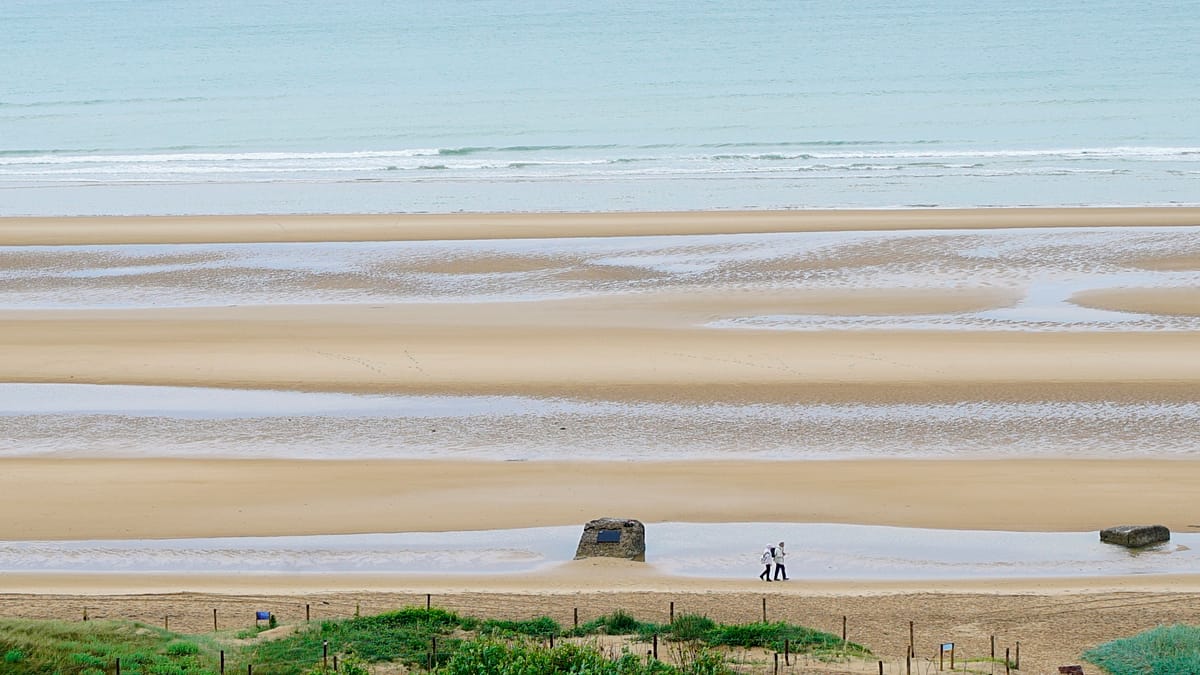
Nearly two decades after the initial proposal, the campaign to have the Normandy D-Day landing beaches inscribed as a UNESCO World Heritage site is approaching its final verdict. The World Heritage Committee, meeting for its 48th session in Busan, South Korea, is scheduled to announce its decision between 24 and 27 July.
If approved, the five historic Allied landing beaches—Utah, Omaha, Gold, Juno, and Sword—along with key sites such as Pointe du Hoc, the German battery at Longues-sur-Mer, the artificial harbour at Arromanches, and numerous military cemeteries and memorials, would join 54 other French sites on the UNESCO list, including Mont-Saint-Michel, the Palace of Versailles, and Chartres Cathedral. The designation is reserved for locations deemed to possess 'outstanding universal value' and obliges states to ensure their protection.
Historical Significance and Economic Impact
On 6 June 1944, more than 150,000 Allied soldiers—predominantly American, British, and Canadian—landed on the Normandy coast in the largest amphibious operation in history. Over 4,000 lost their lives that day, a pivotal moment in the liberation of Europe from Nazi occupation. Hervé Morin, president of the Normandy regional council and a driving force behind the bid since 2008, has stated that the listing would represent 'immense recognition' for the soldiers who fought to end Nazism.
Beyond its symbolic weight, UNESCO status could deliver substantial economic benefits. The D-Day sites already attract nearly 1.8 million visitors annually, more than a third from abroad—notably from the United Kingdom, the United States, and Germany. According to the regional tourism board, this traffic generated €700 million in economic benefits in 2022 and supports over 8,400 direct and indirect jobs. Morin has suggested that World Heritage listing could boost tourist numbers by roughly 15%, a prospect that aligns with broader efforts to promote heritage tourism across Europe, similar to initiatives like Mount Olympus's bid for UNESCO recognition.
Preserving a Fragile Legacy
The listing would also bolster efforts to protect a heritage increasingly threatened by natural forces. Several D-Day remains—including bunkers from the Atlantic Wall, shipwrecks, and Allied installations—are at risk from coastal erosion and rising sea levels. At Longues-sur-Mer, the former German battery observation post has been closed to the public since 2025 due to the danger of cliff collapse. Situated between Omaha and Gold beaches, this site was part of the Atlantic Wall built by Nazi Germany to shell approaching Allied ships. Despite heavy bombardment, it remained operational until the early hours of 7 June 1944, when its garrison surrendered to the US Army.
Museum directors across the region caution that UNESCO listing does not automatically bring additional funding. They argue that preserving the memory will require digitisation and virtual reconstructions, ensuring the history endures even as physical remains inevitably disappear. This challenge echoes broader environmental pressures, such as rising sea temperatures affecting German beaches, highlighting the need for adaptive conservation strategies.
If confirmed, the D-Day beaches will become not only a global symbol of Second World War remembrance but also a site whose preservation is recognised as a matter of concern for humanity as a whole. The decision in Busan will mark a milestone for Normandy and for Europe's collective memory of the war that reshaped the continent.