As sea temperatures climb across Europe, jellyfish are becoming a more frequent sight on beaches in the Baltic and North Seas. For swimmers heading to Germany's coasts this summer, understanding which species are dangerous and how to respond to stings is essential.
Common jellyfish in German waters
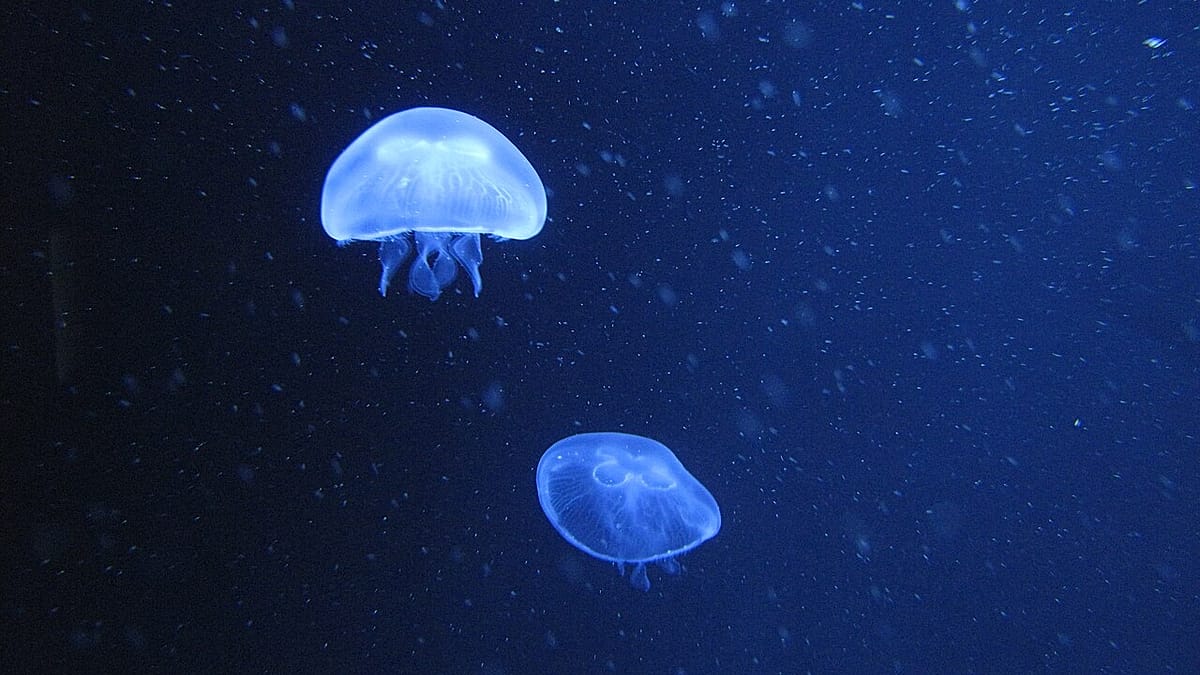
The most widespread species in the Baltic and North Seas is the moon jellyfish (Aurelia aurita). It appears mainly in summer and early autumn, sometimes in large swarms known as blooms. Its transparent bell, 5 to 40 centimetres across, features four ring-shaped sex organs that resemble small ears. For humans, its stinging cells cause only mild skin irritation at most.
Far more concerning is the lion's mane jellyfish (Cyanea capillata), also called the yellow stinging jellyfish or, by coastal residents, the “fire jellyfish.” Its bell can reach 20 to 50 centimetres, and its tentacles can extend 10 to 30 metres. Even detached tentacles remain capable of stinging for some time. This species is much more common in the North Sea than in the Baltic, favouring cooler, saltier water. Regular sightings occur along the coasts of Sylt, Amrum, Norderney and the East Frisian Islands, as well as off the United Kingdom, Norway and Iceland. It also appears off Spain, France, Italy, Greece, Croatia and Turkey.
In the Mediterranean, swimmers face other stinging species more frequently. The mauve stinger (Pelagia noctiluca) is considered one of the most unpleasant. It occurs mainly in the western Mediterranean—off Spain, France and Italy—as well as in the Adriatic (including Croatia and Montenegro), the Aegean, parts of the eastern Mediterranean and off North Africa. Its violet, pink or reddish bell is 5 to 15 centimetres across, with thin tentacles that can stretch several metres. Contact causes burning pain, red patches, wheals and persistent itching. The mauve stinger is also bioluminescent, emitting a faint glow in darkness.
The compass jellyfish (Chrysaora hysoscella) is another conspicuous species in the Mediterranean, with a yellowish-brown bell marked by lines resembling a compass rose. It is found off Spain, Italy, Greece, Turkey and in the Adriatic. Its stings are painful but generally less severe than those of the mauve stinger.
The barrel jellyfish (Rhizostoma pulmo), among the largest Mediterranean species with a bell up to 60 centimetres, is considered a “gentle giant.” Its stinging cells are relatively weak, and contact often causes no symptoms or only mild discomfort.
What to do if stung
If stung, do not rub or scratch the area, as this can activate additional stinging cells. Gently rinse the skin with seawater and carefully remove any visible tentacles with tweezers or a plastic card. Avoid freshwater, which can trigger undischarged stinging cells due to osmotic differences, releasing more venom. To relieve pain, immerse the affected area in warm water (40–45 °C) for 20 to 45 minutes or use warm compresses. Do not apply alcohol or urine, as they may worsen symptoms. Seek medical attention immediately if there is shortness of breath, swelling, severe pain, dizziness or circulatory problems.
Germany's freshwater lakes are not immune. Lake Constance and other inland waters occasionally host the freshwater jellyfish (Craspedacusta sowerbii), a small species originally from East Asia that has spread worldwide. It lives in slow-flowing or still waters where shallow shoreline areas warm up considerably.
As Europe's waters warm, jellyfish blooms are likely to become more common. Swimmers should stay informed about local conditions and know how to respond to stings. For more on how rising temperatures are affecting the continent, see our coverage of WHO's warning on heatwaves and Greece's floating barriers.