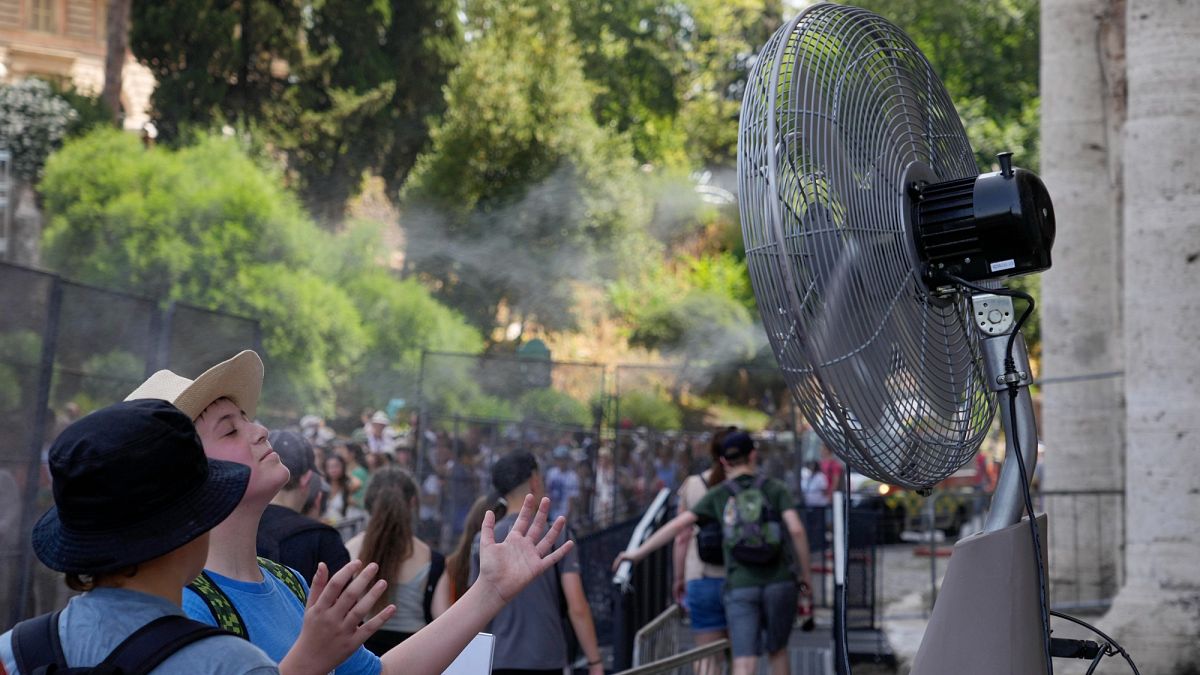
As a fresh heatwave builds over the Atlantic, with forecasts of 43°C in Portugal and southern Spain this week, the World Health Organization (WHO) has issued a stark warning: Europe is not prepared for the deadly consequences of extreme heat. Hans Kluge, WHO Regional Director for Europe, said on Tuesday that fewer than half of the countries in the European Region have national heat-health action plans in place.
A Gap in Preparedness Across the Continent
Kluge stressed that all countries need such plans, which should include meteorological early warnings, targeted outreach to vulnerable groups, and coordination between health, social care, housing, and urban planning authorities. “Countries with well-functioning plans know in advance who is responsible for what, which populations are most at risk, and at which temperature threshold each level of response is activated,” he said. Having this clarity before a heatwave arrives, he added, is the “life-saving difference” between a managed response and a reactive one.
The warning comes as France and the Benelux countries brace for another heat surge, and parts of Central Asia also experience 40°C temperatures. Preliminary data from Western Europe already point to more than 4,000 additional deaths during the June heatwave, which strained health systems across the region. In Belgium, officials reported a 39% rise in deaths linked to the extreme temperatures, as detailed in our coverage of the June heatwave's toll.
Learning from Recent Failures
To prevent a repeat of that scenario, Kluge convened an emergency call on extreme heat with representatives from 41 European countries, the European Commission, and civil society groups. The aim was to analyse lessons learned from the previous heatwave and identify what went wrong. “The work now is on two fronts,” Kluge said. “Fixing what failed in recent weeks before the next heatwave hits and building the kind of health systems that don’t just respond to extreme heat but are ready for it.”
He praised initiatives such as Italy’s mortality surveillance system, Spain’s media communication strategy, and Austria’s updated heat plan. “These examples matter because they are replicable,” Kluge emphasised, noting that tools already exist. “When plans are in place and tested before a crisis, they save lives.”
Spain, for instance, is now facing its second summer heatwave, with nine regions under alert as temperatures near 42°C, as reported in our latest update. The country has also deployed firefighting aid to Portugal, where heatwave-fueled blazes are raging, a story we covered in Spain and Italy Deploy Firefighting Aid to Portugal.
The Need for Systemic Change
The WHO’s call for national heat-health action plans is not just about immediate response. It also requires long-term investment in urban planning, housing, and social care to reduce vulnerability. As climate change makes extreme heat events more frequent and intense, the continent must adapt. The Waterwise Project, which models Alpine futures to avert water shortages, is one example of forward-looking adaptation that could complement heat-health strategies.
Kluge’s message is clear: Europe has the knowledge and tools to protect its citizens, but political will and coordination are lagging. With the next heatwave already on the horizon, the time to act is now.