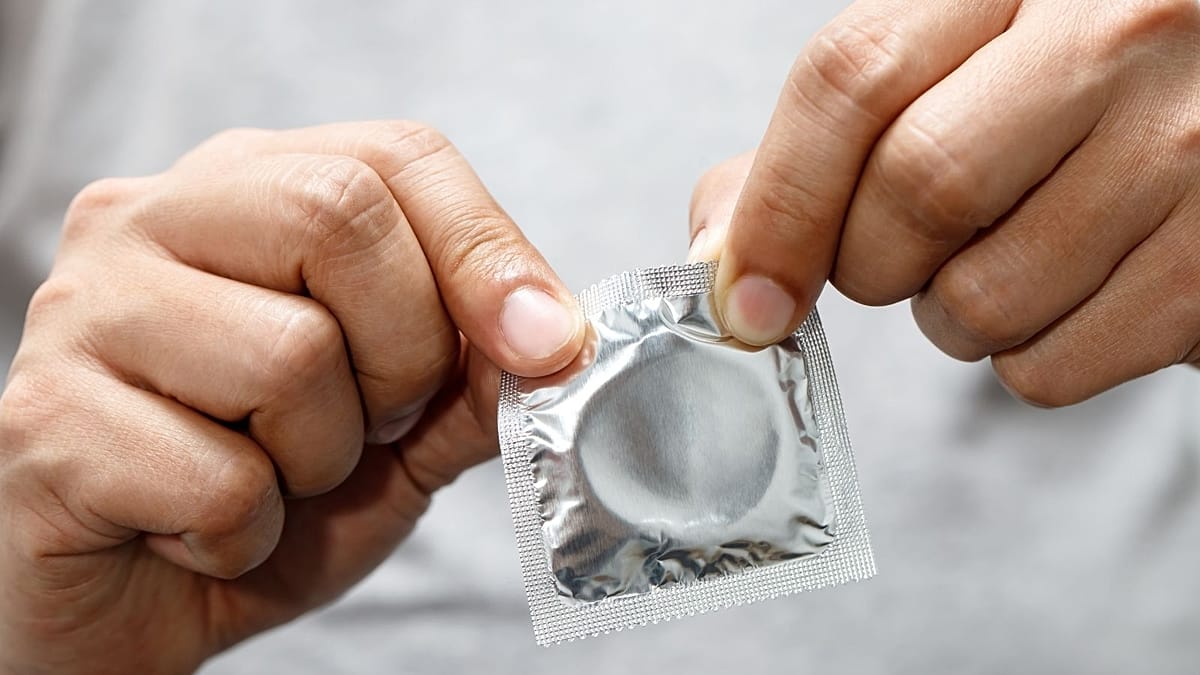
European authorities have intercepted more than 200,000 counterfeit condoms that entered the continent after being falsely declared as toys, circumventing the European Union's stringent health and safety regulations. The European Anti-Fraud Office (OLAF) announced the seizures in Romania, Serbia, and Spain, warning that the products pose serious risks to sexual health.
Under EU law, condoms are classified as medical devices and must meet rigorous standards covering microbial contamination, biocompatibility, leak resistance, dimensional accuracy, shelf life, and stability. The counterfeit items, originating from China, bypassed all of these requirements.
“Counterfeit condoms are dangerous,” said OLAF Director-General Petr Klement in a statement. “They are untested, uncontrolled and unsafe.”
The fake condoms were sold under the name and logo of a well-known brand, though OLAF has not disclosed which brand, where exactly the products were sold, or how many of the more than 200,000 units may have already reached consumers. The agency did not respond to requests for clarification before publication.
Health Risks and Regulatory Gaps
The discovery highlights a persistent vulnerability in Europe's supply chain for medical devices. Counterfeit condoms not only fail to prevent sexually transmitted infections (STIs) and unplanned pregnancies but may also contain unsafe chemicals and materials that can cause irritation or allergic reactions.
According to the World Health Organization, unsafe sexual practices contribute to millions of STI cases annually across Europe. The arrival of untested condoms could exacerbate this public health challenge. In a related context, the WHO has warned that 1.5 million people die each year from unsafe food, underscoring the broader risks of unregulated products entering the market.
The seizures occurred in Romania, Serbia, and Spain, but the trafficking route may have extended to other EU member states. OLAF did not specify whether the products were sold online or in physical stores, leaving consumers uncertain about the extent of exposure.
The case also raises questions about enforcement capacity. While OLAF and national customs authorities have successfully intercepted a significant batch, the sheer volume of goods entering Europe daily makes it difficult to catch every violation. The European Union has been strengthening its market surveillance mechanisms, but incidents like this suggest gaps remain.
In a separate but related development, the European Public Prosecutor's Office recently conducted raids targeting a defunct far-right EU group over €4.3 million in fraud, illustrating the breadth of cross-border financial and regulatory crimes the EU is working to combat.
Consumers are advised to purchase condoms from reputable pharmacies and authorized retailers, and to check for CE marking and expiry dates. Authorities urge anyone who suspects they may have purchased counterfeit products to report them to national health or customs agencies.
The OLAF investigation is ongoing, and further seizures or prosecutions may follow as authorities trace the distribution network across Europe.