Oil prices tumbled in early trading on Monday after the United States and Iran paused their exchange of strikes in the Persian Gulf, easing fears of an immediate blockade of the Strait of Hormuz. Brent crude, the international benchmark, fell 4.66% to $92.27 per barrel for September delivery, while US West Texas Intermediate dropped 5.02% to $84.83.
Last week, Brent briefly touched $102 a barrel — its highest level since May and a jump of more than $30 from the start of the month. The surge was driven by escalating hostilities between Washington and Tehran, including a series of US strikes on Iranian positions and Iranian attacks on tankers near the strategic waterway.
Strait of Hormuz remains the central risk
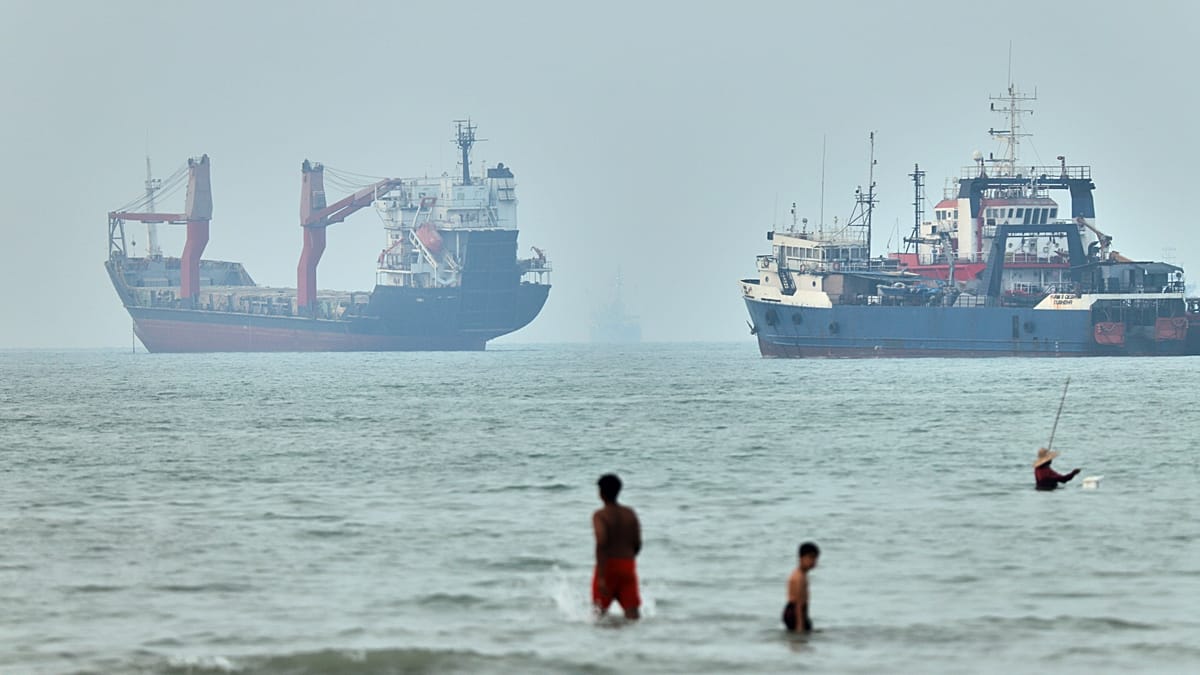
The Strait of Hormuz, a narrow passage off Iran's coast, handles roughly one-fifth of the world's seaborne oil. Since late February, when the US and Israel launched strikes on Iranian targets, shipping traffic through the strait has been severely disrupted. Tanker operators have rerouted vessels, but alternative passages are also under pressure. Last week, Saudi oil tankers using the Red Sea came under attack, compounding supply concerns.
Gulf states and Iraq are racing to develop bypass routes, but these remain costly and incomplete. The efforts to bypass the Strait of Hormuz have so far failed to restore normal shipping volumes, leaving global markets vulnerable to further disruptions.
The pause in strikes has provided temporary relief, but analysts warn that the underlying tensions remain high. The US has threatened to bomb Tehran's infrastructure for each Iranian attack in the strait, while Iran has vowed to retaliate against any further aggression.
Inflation fears resurface in Europe
The recent oil price spike comes at a delicate moment for European economies. Inflation had been slowing faster than many economists expected, but the jump in crude prices has reignited concerns. Traders now see a 36% probability that the US Federal Reserve will raise its main interest rate at its next meeting, according to CME Group data. Higher rates could slow economic activity by making borrowing more expensive for businesses and households across Europe.
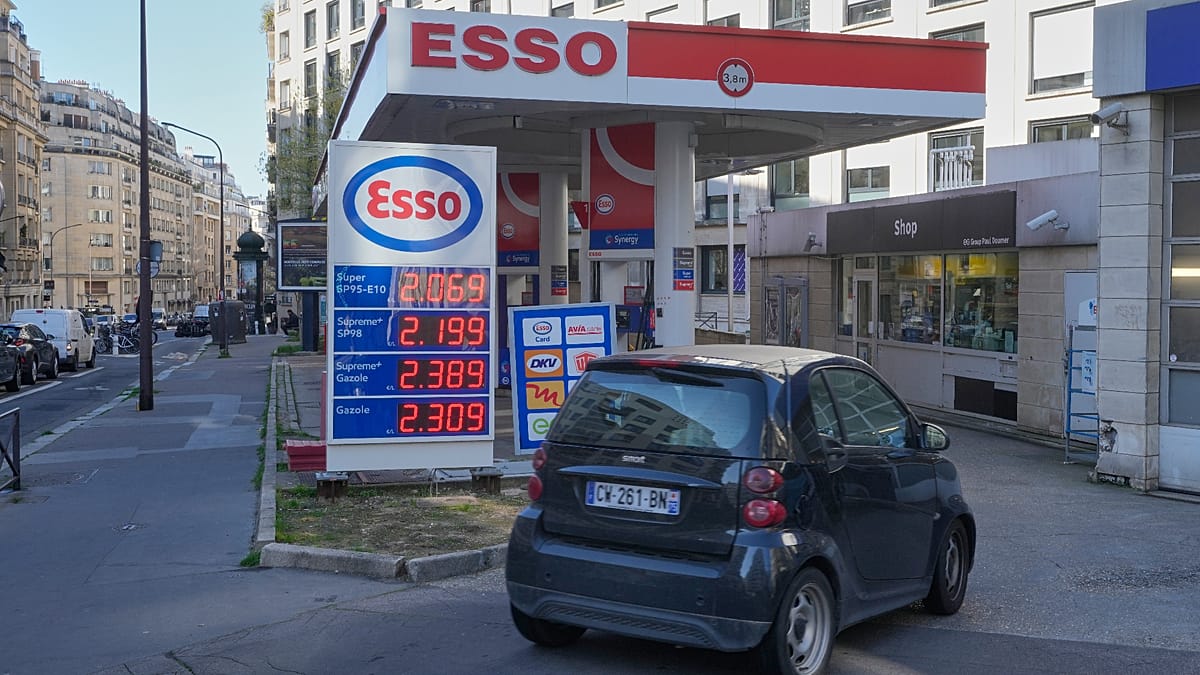
In Italy, petrol prices have already hit €2.6 per litre, prompting opposition parties to demand government action. The surge in fuel costs is squeezing consumers and adding to political pressure on Prime Minister Giorgia Meloni's administration.
Broader supply chain risks are also mounting. The Houthi threat to close the Bab el-Mandeb strait, another critical chokepoint near the Red Sea, could further disrupt European trade routes. Any prolonged closure would force ships to take longer, costlier paths around Africa, raising freight costs and delaying deliveries.
European energy importers, already grappling with the aftermath of the war in Ukraine, are watching the situation closely. The conflict has already pushed Moscow's oil flows through the Black Sea into uncertainty, with drone strikes hitting tankers near the CPC terminal in Kazakhstan. The suspension of operations at the CPC terminal has further tightened global supply.
For now, the pause in US-Iran hostilities has calmed markets, but the underlying volatility remains. Any resumption of strikes could send prices soaring again, with direct consequences for European households and businesses already struggling with high energy costs.