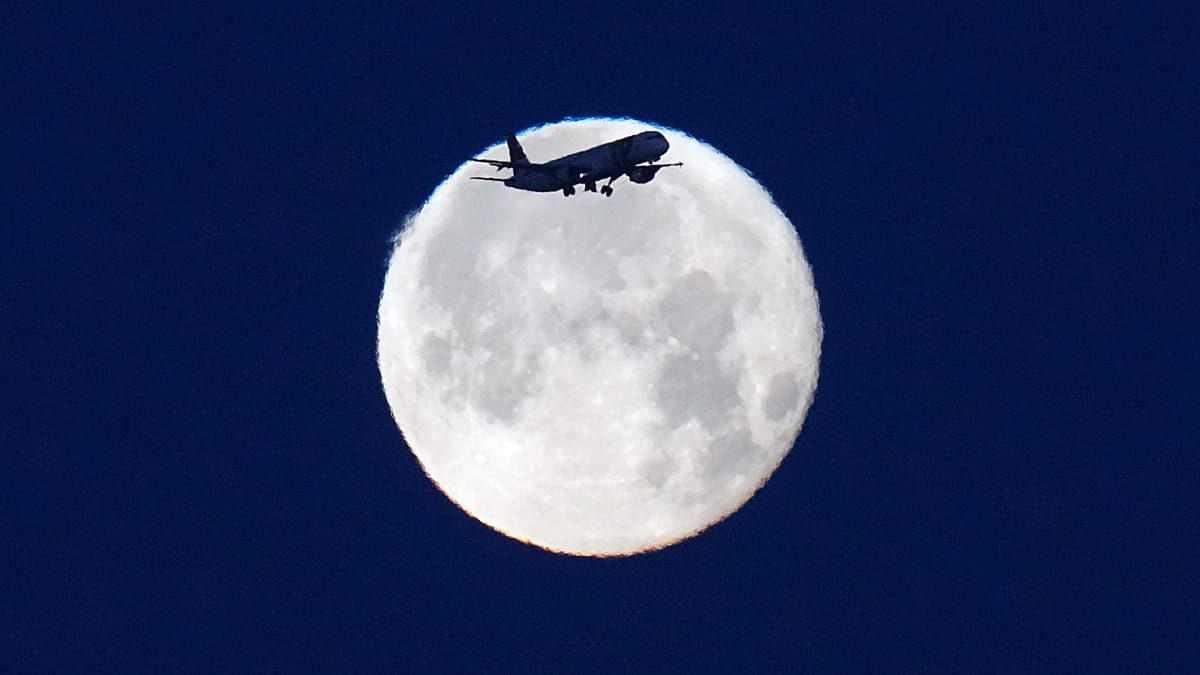
On Monday evening, Lisbon's skyline was bathed in an unusual glow as the so-called 'strawberry moon' ascended over the River Tagus. The phenomenon, which occurs when the full moon coincides with the wild strawberry harvest season in Europe and North America, drew both locals and tourists to vantage points across the Portuguese capital.
From the Miradouro da Graça to the hills of Alfama, spectators gathered to watch the moon rise above the river and the city's historic centre. Many paused to capture the moment on their phones as boats drifted slowly across the water below, their reflections shimmering in the moonlight.
The event was particularly striking in Lisbon, a city built on seven hills that offer natural amphitheatres for such celestial displays. The clear skies and unobstructed views of the Tagus estuary provided an ideal backdrop for the rare lunar event.
What Makes the Strawberry Moon Special?
The strawberry moon is not necessarily larger or brighter than other full moons, but its name—derived from the Algonquin tribes of North America—has captured the public imagination. In Europe, the term has been adopted to mark the season when wild strawberries ripen, typically in June. This year's timing made it a particularly anticipated event for astronomy enthusiasts and casual observers alike.
For those who missed Monday's display, a guide to the strawberry moon's visibility across Europe offers tips on when and where to catch future occurrences. The phenomenon is not annual but depends on the lunar calendar, making each sighting a relatively rare treat.
Lisbon's popularity as a destination for such events is no accident. The city's geography—with its steep hills, wide riverfront, and relatively low light pollution compared to other European capitals—makes it a prime spot for stargazing. The seven hills of Lisbon offer numerous viewpoints that are often less crowded than the more famous miradouros, providing intimate settings for watching the night sky.
Monday's event also highlighted the broader cultural significance of lunar phenomena in European societies. From ancient pagan festivals to modern astronomy clubs, the moon has long been a source of wonder and inspiration. In Portugal, the strawberry moon is sometimes associated with the beginning of summer festivities, including the popular Santos Populares celebrations in Lisbon and Porto.
While the strawberry moon itself is a natural occurrence, its impact on tourism and local economies is tangible. Hotels and restaurants in Lisbon's historic districts reported increased foot traffic on Monday evening, as visitors lingered to watch the moonrise before heading to dinner or drinks. The phenomenon also generated significant social media buzz, with hashtags like #StrawberryMoon and #Lisbon trending across platforms.
For those planning a trip to Lisbon, the city's housing affordability crisis remains a challenge, but its cultural and natural attractions continue to draw millions of visitors each year. The strawberry moon served as a reminder that even in a city grappling with overtourism, moments of quiet beauty can still be found.
As the moon climbed higher and the crowds began to disperse, the Tagus River reflected its soft light, creating a scene that felt both timeless and fleeting. For those who witnessed it, Monday night was a rare chance to see Lisbon in a different light—literally and figuratively.