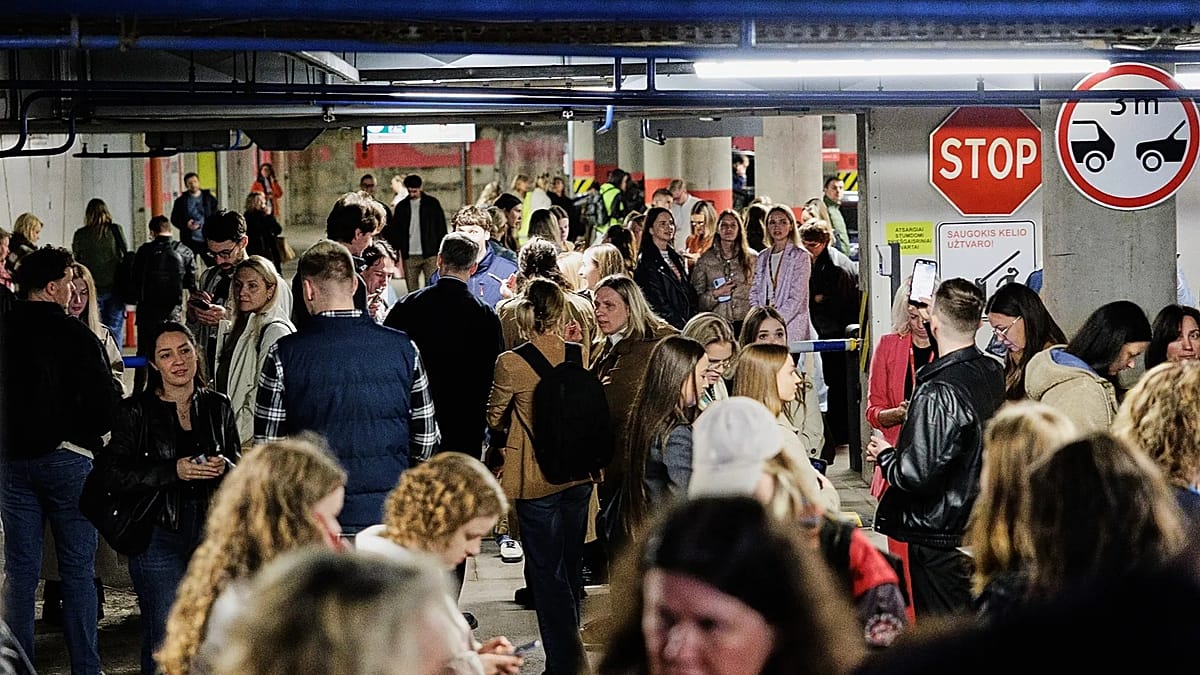
When a drone threat alert sounded across Vilnius on 20 May, Rūta Gaškauskaitė rushed to the nearest shelter marked on her phone app. She found it locked, covered in cobwebs, and seemingly abandoned. It took her nearly 20 minutes to find an open shelter—a pattern that repeated across the city as residents reported being barred from schools and other designated safe zones.
The alert was the first time an EU and NATO capital had ordered its population to take cover since Russia's full-scale invasion of Ukraine in 2022. Lithuania, wedged between Russia and Kremlin-allied Belarus, has long warned of the risks to its Baltic neighbours. But the side effects of Ukraine's retaliatory drone strikes on Russian oil hubs in the Baltic Sea—stray drones crossing into Lithuanian airspace—caught the country off guard.
Blind Spots in Civil Defense
Prime Minister Inga Ruginienė, who sheltered with the president and lawmakers, publicly apologized for communication failures and promised a review. Deputy Defence Minister Tomas Godliauskas acknowledged "some gaps that we would like to fix" in Lithuania's planning, including a lack of clarity on shelter ownership and management. He told AFP that the goal is to train more of Lithuania's 2.8 million citizens for emergencies, doubling the number of shooting ranges from 67 and rolling out modular training facilities that could double as shelters.
At the end of 2024, Lithuania had 6,344 shelters capable of protecting 53% of the population, according to the National Audit Office. Yet 91% were not accessible to people with disabilities. The report concluded that "the state is not yet ready to protect the entire population in the event of emergencies or war."
The incident echoes broader European concerns about drone incursions and civil preparedness. As drone incursions become a persistent reality across Europe, countries like Romania have also faced security gaps. Lithuania's experience underscores the need for multi-use shelters that serve communities in peacetime.
In Kazlų Ruda, a town of 6,000 near the Kaliningrad border, Mayor Mantas Varaska has championed a 100-metre underground shelter that could hold 3,000 people and host sports venues, a gym, and a shooting range when not in use. He hopes construction can start next year, but funding remains uncertain.
For Gaškauskaitė, the alert was a wake-up call. Days later, she gathered with friends to review stockpiles and refresh first aid procedures. "That's the only thing that makes me calmer, to know that I'm prepared," she said. "I'm just doing that, preparing myself, just hoping for the best, preparing for the worst."