For decades, the teenage bedroom has been a sanctuary of self-discovery—a place where music, fashion, and rebellion converge. Now, a new museum in London’s Camden district is giving that formative era the institutional recognition it deserves. The Museum of Youth Culture, which opened its doors today, is the first permanent space dedicated to the history of British youth subcultures, from the flappers of the 1920s to the emos and ravers of the 2000s.
The idea was born from Jon Swinstead, an archivist who spent 25 years collecting ephemera of teenage life. Working with a team of collaborators, he transformed a subterranean space in Camden—long a hub for punk and alternative scenes—into a museum that feels like stepping into a friend’s bedroom. The main archive gallery spans a century, from 1920 to 2020, and includes personal photos, flyers, and handwritten confessions. “Young people have been left out of the picture when it comes to museums,” said Jamie Brett, the museum’s creative director. “Especially those teenage moments in life—that hormonal stage where you leave home and gain independence. That’s what creates these amazing scenes that have never had time and space dedicated to them.”
Subcultures as Social Catalysts
The museum’s collection is largely crowdsourced through its Grown Up In Britain campaign, which has gathered stories from across the UK. “We spend a lot of time travelling to collect people’s personal stories,” said Lisa der Weduwe, the archive projects manager. The artifacts—a pair of pinstriped tights from a 1980s goth, a side-swept fringe from a 2000s emo—are presented with minimal context, leaving visitors to imagine the lives behind them. This approach underscores a universal truth: regardless of the decade, youth is a time of unrestrained expression, when the world feels ours to rebel against and reshape.
Subcultures, from mods to punks to ravers, have long been a hallmark of teenage rebellion, often sparking moral panic among authorities. But they have also driven cultural innovation. Der Weduwe argues that subcultures are not dying in the digital age; they are evolving. “When you walk through central London and see a group of teenage K-pop fans, they have a specific style and music—they’re living that life. They have one foot online and one foot in the real world,” she said. “Subcultures move with the time.”
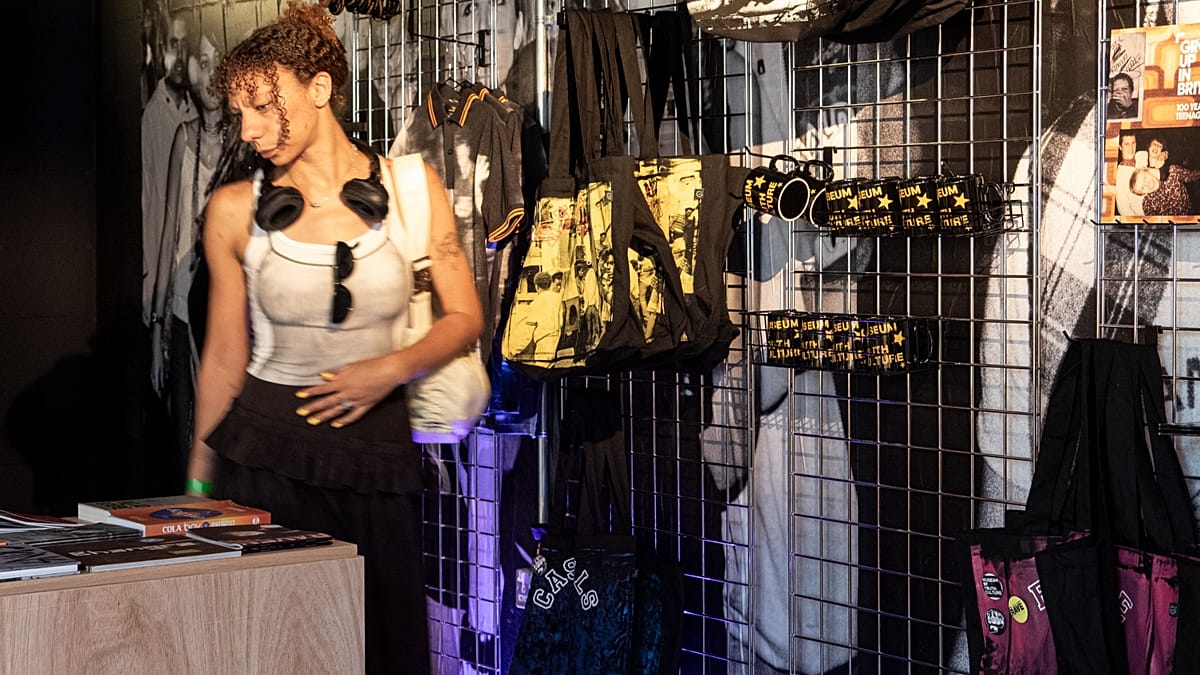
The museum also includes a bar and shop above the gallery, blending industrial decor with nostalgic touches like a foosball table and arcade games. It aims to be an intergenerational space that looks forward as much as it preserves the past. For those who once scrawled RAWR on their wrists or wore eyeliner too thick, this museum is a tribute to the bold beauty of misspent youth—and a reminder that teenage rebellion has always shaped the continent’s cultural landscape.
As Europe grapples with questions of identity and heritage, institutions like this one offer a fresh perspective. They celebrate the messy, magical moments that define growing up, from the first rave to the last school bell. For more on how youth culture intersects with broader European trends, see our coverage of the Den Gamle By in Aarhus winning the 2026 European Museum of the Year Award and the EMYA 2026 competition.