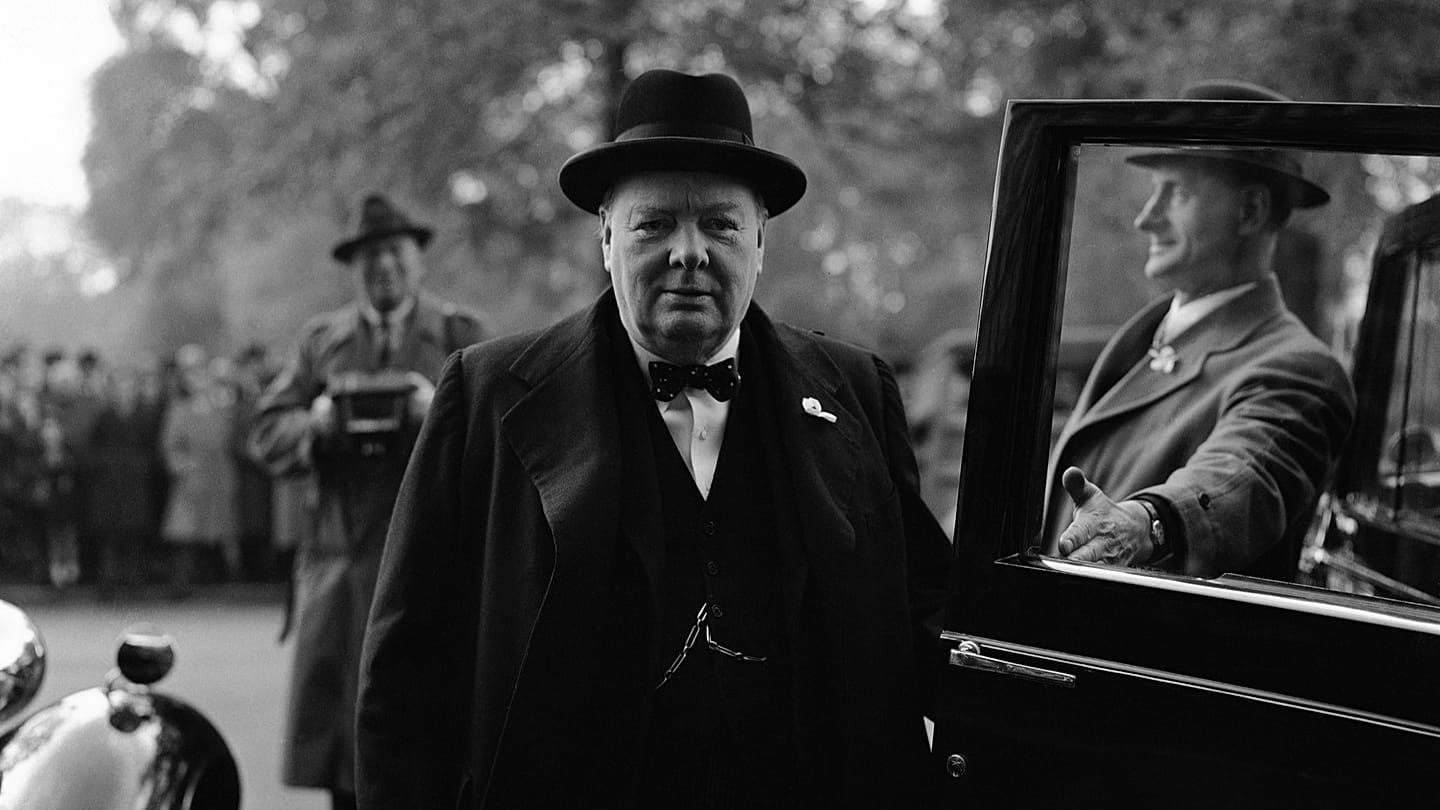
The National Portrait Gallery in London has withdrawn a video installation from its collection after it sparked a heated debate over the legacy of former British Prime Minister Winston Churchill. The artwork, which accused Churchill of responsibility for a devastating famine in colonial India, was removed following public backlash and internal review.
The installation, part of a temporary exhibition, directly linked Churchill's wartime policies to the Bengal famine of 1943, which caused the deaths of an estimated three million people. Critics argued the piece oversimplified complex historical events, while supporters claimed it was a necessary reckoning with Britain's imperial past.
A spokesperson for the museum stated that the decision to remove the work was made to ensure the gallery remains a space for respectful dialogue. “We recognize the deep emotions surrounding this history and have chosen to refocus the exhibition on other perspectives,” the spokesperson said.
Colonial Legacies in European Museums
The controversy at the National Portrait Gallery is part of a broader trend across Europe, where institutions are grappling with how to address colonial histories. Similar debates have occurred at the Musée d'Orsay in Paris, which recently opened a gallery dedicated to the legacy of Nazi-looted art, and at the Rijksmuseum in Amsterdam, which has recontextualized its Golden Age collections.
Churchill remains a polarizing figure in the United Kingdom and beyond. While he is celebrated for his leadership during World War II, his record on colonial issues, including his role in the Bengal famine, has drawn increasing scrutiny from historians and activists. The debate reflects a wider European reassessment of national heroes and their actions during the colonial era.
The removal of the artwork has also reignited discussions about free expression in cultural spaces. Some artists and critics have accused the gallery of censorship, while others argue that museums have a responsibility to present balanced narratives.
Broader Implications for European Cultural Institutions
This incident is not isolated. Across Europe, museums and galleries are facing pressure to address historical injustices. The Versailles palace, for example, recently opened a gallery to mark the 250th anniversary of US independence, highlighting the complex relationship between European monarchies and colonial revolutions.
In Greece, the Greek National Opera revived Maria Callas's 'Medea' at Epidaurus, drawing attention to themes of exile and identity that resonate with modern debates about migration and cultural heritage. Meanwhile, a Byzantine monastery on Andros has transformed a restored tower into a contemporary art gallery, blending ancient and modern perspectives.
The National Portrait Gallery's decision may set a precedent for how British institutions handle contentious historical figures. As the UK continues to debate its colonial past, similar actions could follow in other museums across the continent.
For now, the removed installation is no longer on public view, but the conversation it sparked about Churchill's legacy and the role of art in historical reckoning is far from over. European Pulse will continue to monitor how cultural institutions across the continent navigate these complex issues.