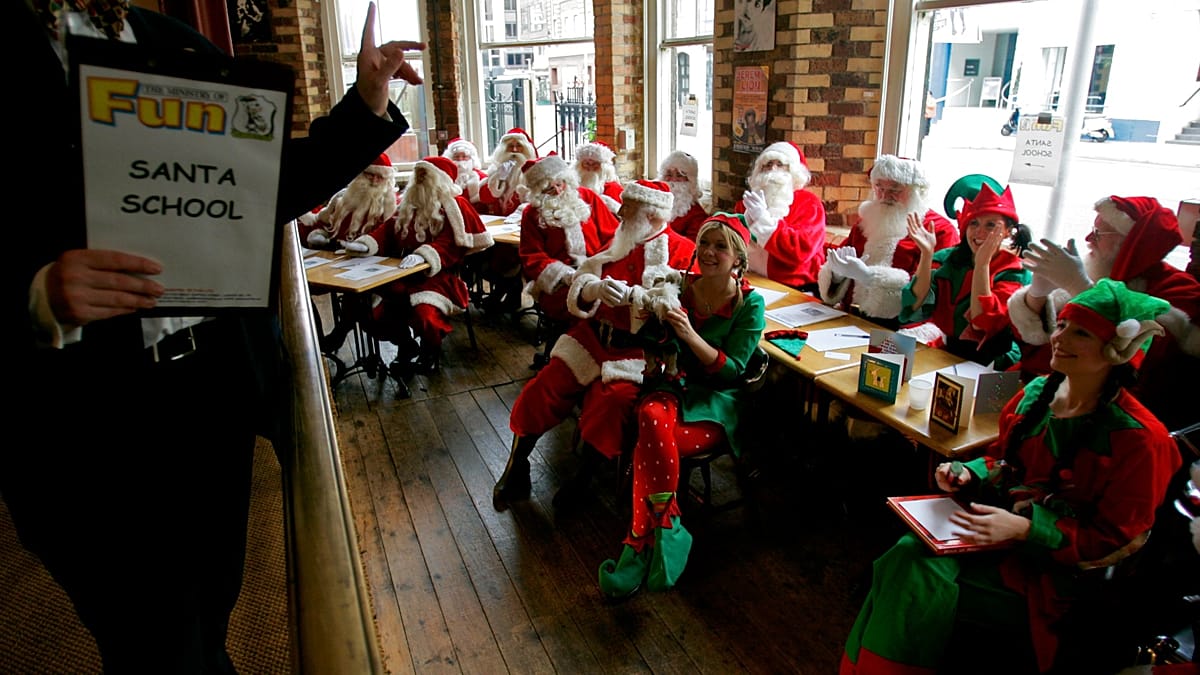
As the festive season approaches, a unique classroom in south London is buzzing with activity. The Ministry of Fun's Santa School, now in its 28th year, is once again preparing professional Father Christmases for the whirlwind of grotto appearances, mall visits, and private events that define the Christmas period across Europe.
The curriculum is far more demanding than simply perfecting a hearty "ho ho ho." Trainees at the school, located in the British capital, spend hours mastering British Sign Language to communicate with deaf children, studying the latest toy trends to ensure they can converse knowledgeably with kids of all ages, and rehearsing answers to some of the more challenging questions young minds can produce.
More than a costume
For Matt Grist, a veteran Santa trainer at the school, the role carries a weight that goes beyond the red suit and white beard. "In order to deliver an encounter that is magical, you have to take it seriously, and you have to really care about the encounter that you have with the child and about the content," he explains. "It's a duty we have, really. It's an obligation we have."
That sense of duty is echoed by the school's founder, who established the institution nearly three decades ago to professionalise a role often seen as a casual seasonal job. Today, graduates of the school can be found in grottoes and shopping centres not only across the UK but also in other European countries, where the demand for authentic, high-quality Santa experiences has grown.
The training also addresses the practicalities of the job: managing queues, dealing with parents, and maintaining the illusion of magic even when a child asks about the logistics of delivering presents worldwide in a single night. Santas are coached to respond with gentle, imaginative answers that keep the wonder alive without lying outright.
Sign language instruction has become a cornerstone of the course, reflecting a broader societal push towards inclusivity. "Every child deserves the same magical moment," says Grist. "If that means learning a few signs to greet a child who is deaf, then that's what we do."
The school's approach is part of a wider European trend of professionalising festive entertainment. In cities like Vienna, Prague, and Strasbourg, Christmas markets and events are increasingly hiring trained performers to meet visitor expectations. The best Christmas light displays across the continent often rely on such professionals to bring the magic to life.
For those looking to experience the results of this training, Europe offers a wealth of options. From the Paris Christmas switch-on with the Moulin Rouge cancan to the 2027 Christmas celebrations in Basel, Baia Mare, and Omiš, the continent is gearing up for a season of joy. And for those who prefer to travel by rail, Europe's most magical Christmas rail journeys offer a scenic way to soak in the festive atmosphere.
Back at the Santa School, the trainees are well aware that they are part of a long tradition, but also one that must evolve. "Children today are more informed, more connected," Grist notes. "They ask about everything from climate change to whether Santa uses renewable energy. We have to be ready."
As the December 25 deadline looms, these professional Santas will don their costumes and step into the spotlight, armed with new skills and a renewed sense of purpose. For them, the magic of Christmas is not just a performance—it's a responsibility.