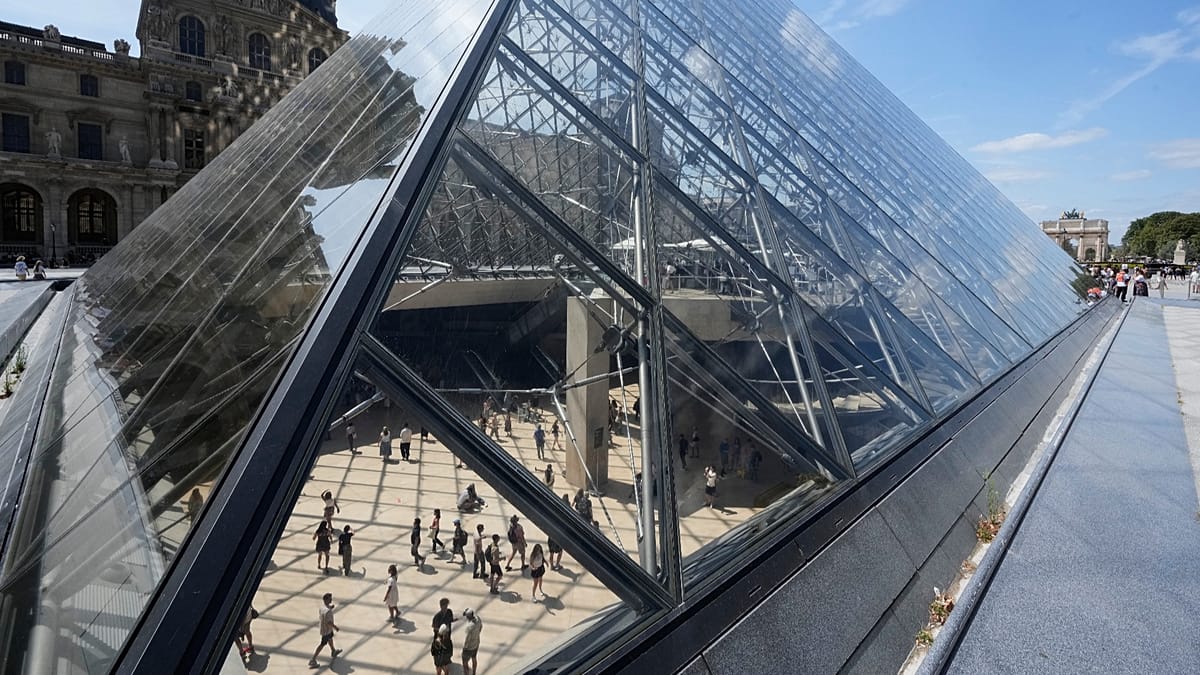
Paris's iconic Louvre museum was forced to close on Monday after protesters, led by students from the École du Louvre, blocked its entrances. The action, which drew support from unions, was part of a wider wave of demonstrations that have gripped France in recent weeks, initially sparked by student grievances over conditions in lycées but now encompassing broader frustrations over the cost of living and perceived police repression.
Management confirmed the museum could not open as scheduled, and a leaflet distributed outside the building read: "We are proud to announce that we are blocking the world's largest museum." The protest reflects a deepening sense of discontent among young people, who have been joined by workers and activists in a movement that has spread beyond school gates to the streets of Paris, Lyon, Marseille, and other cities.
Weekend unrest and arrests
The weekend saw intense clashes between demonstrators and police, with Justice Minister Gérald Darmanin reporting that more than 2,330 people were taken into custody—70% of them adults. The scale of the arrests underscores the seriousness of the unrest, which has also caused significant economic damage. Alain Di Crescenzo, president of the French chamber of commerce, estimated that over 2,000 shops were affected by the weekend's violence, with damages running into "hundreds of millions of euros."
The protests began last month as students across the country demonstrated against deteriorating conditions in their schools, including overcrowding, underfunding, and inadequate facilities. But the movement has since evolved, tapping into a wider sense of economic insecurity as inflation erodes purchasing power and energy bills soar. The merging of yellow vests and student protesters in Paris has given the movement a broader, more volatile character, reminiscent of the 2018–2019 gilets jaunes uprising.
In Paris, the fresh clashes over the cost-of-living crisis have left the city on edge, with police deploying water cannons and tear gas to disperse crowds. The Louvre blockade is a symbolic escalation, targeting one of the world's most visited museums and a global symbol of French culture. It also highlights the role of art students in the movement, who argue that cultural institutions are not immune to the social and economic pressures facing the country.
Government response and broader implications
President Emmanuel Macron's government has faced criticism for its handling of the protests, with opposition leaders accusing it of heavy-handed policing. The admission of security lapses by Macron has further fueled anger, as has the targeting of journalists—including an attack on Euronews reporters by masked looters during the unrest. The government has promised to address some of the students' demands, but many remain skeptical, pointing to the lack of concrete measures to tackle the underlying cost-of-living crisis.
The protests have also raised concerns about the impact on France's economy and its international image. With the tourism sector still recovering from the pandemic, the closure of the Louvre—even for a day—sends a worrying signal. Meanwhile, the damage to shops and public property has prompted calls for better protection for small businesses, many of which are already struggling to make ends meet.
As the movement shows no signs of abating, the coming days will be crucial. Student unions have called for further demonstrations, and there are fears of more violence. The situation in France is being closely watched across Europe, where similar cost-of-living pressures are fueling social unrest in several countries. The outcome of this standoff could have implications far beyond French borders, as governments grapple with how to respond to a population squeezed by inflation and inequality.
For now, the Louvre remains closed, its gates a testament to the power of protest. Whether the government can find a way to address the grievances behind the movement—or whether the streets will continue to be the stage for confrontation—remains to be seen.