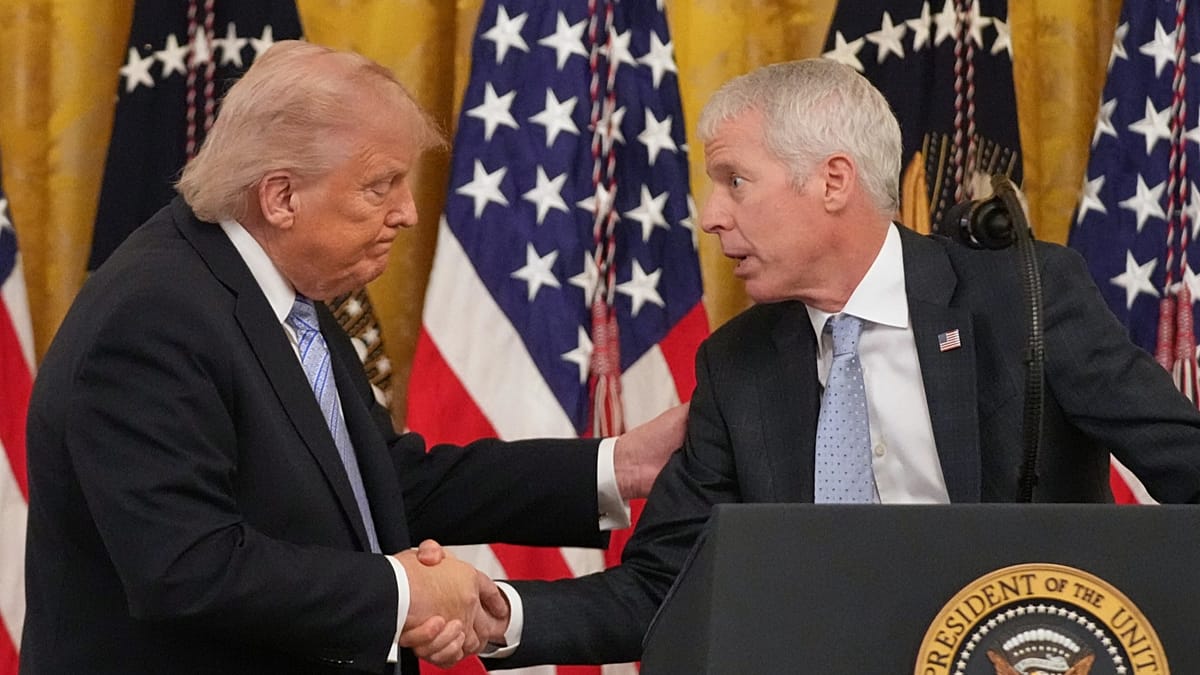
Emmanuel Macron is set to welcome Lebanese Prime Minister Nawaf Salam to the Élysée Palace on Tuesday evening, a meeting that underscores France's continued engagement with Lebanon even as its diplomatic standing with Israel erodes. The visit coincides with new talks between Israel and Lebanon expected in Washington on Thursday, from which France has been explicitly excluded.
The Élysée Palace stated that Macron intends to "reaffirm its commitment to the strict respect of the ceasefire, France's support for Lebanon's territorial integrity and the steps taken by the Lebanese state to fully guarantee its sovereignty and arms monopoly." This diplomatic push unfolds against a backdrop of heightened tension following the death on Saturday of Staff Sergeant Florian Montorio, a French soldier serving with the United Nations Interim Force in Lebanon (UNIFIL).
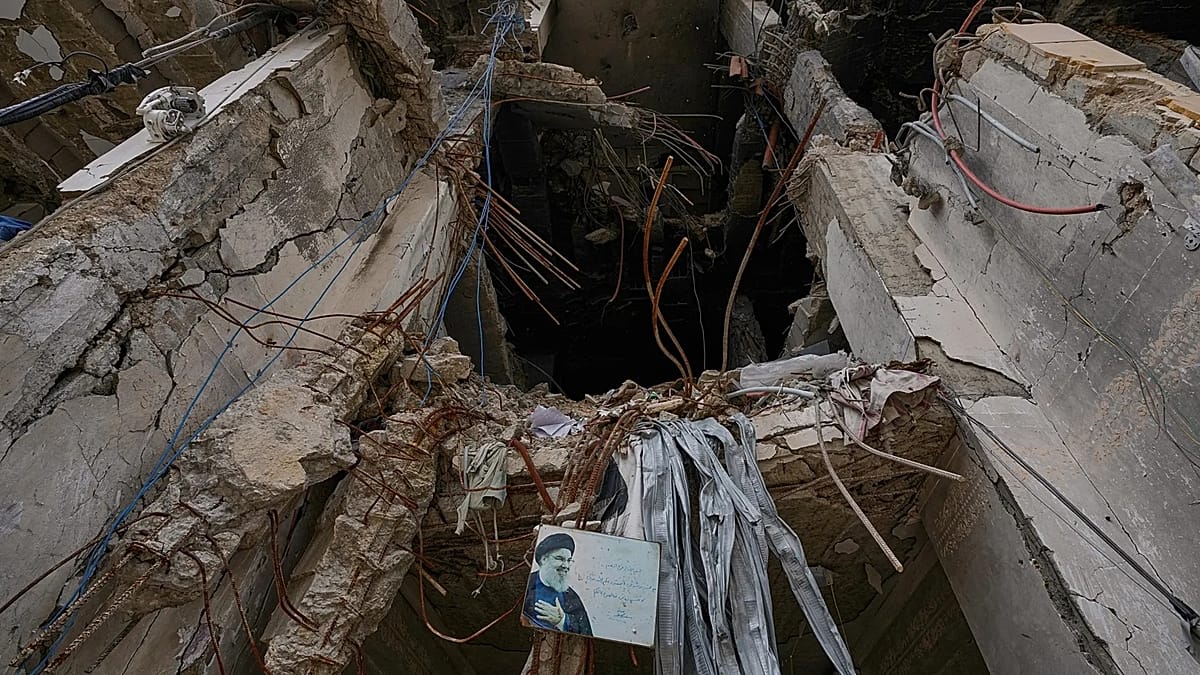
All 15 members of the UN Security Council condemned the attack and called for those responsible "to be brought to justice without delay." Macron and the UN have blamed the Iran-backed militant group Hezbollah. Speaking at a press conference in Poland, Macron said, "Hezbollah did indeed target our soldiers... They didn't target them because they were French. They targeted them because they were carrying out their mission." He added that "the Lebanese authorities have condemned this attack and will take the necessary steps to arrest those responsible and ensure that they are punished."
UNIFIL's Future and European Security Roles
The future of UNIFIL, deployed since 1978 to help restore peace and support Lebanese state authority in southern Lebanon, is now in question. The mission is due to begin withdrawing its peacekeepers at the end of the year, raising the central question of who will ensure security in the border area between Lebanon and Israel—two countries that have been at war since 1948.
Shortly before the Macron-Salam meeting, an Élysée Palace adviser told journalists that discussions were underway with European countries already involved in the UN mission, including Spain, Italy, and Germany. "These actors are now making a very direct contribution to the discussions on what an international force to support the Lebanese government might look like," the adviser said, though he noted this did not necessarily mean those countries would be involved in Lebanon once the UN withdrew. This strategic reflection comes as the UN weighs post-UNIFIL presence in Lebanon as 2027 mandate expiry looms.
Despite Paris's interest in playing a mediating role in the new direct talks between Israel and Lebanon in Washington, Israeli officials have insisted that France is not involved. Israeli Ambassador to the US Yechiel Leiter said last week that officials do "not want the French anywhere near these negotiations," adding, "We like to keep the French as far away as possible from pretty much everything, but particularly when it comes to peace negotiations."
Among Israel's grievances against France are the exclusion of a dozen Israeli defence companies from the Eurosatory 2024 exhibition in Paris and the Paris Air Show 2025, as well as France's leading role in recognising Palestinian statehood. This exclusion is all the more striking given France's longstanding historic ties with Lebanon, inherited from the French mandate after World War I, and its role in facilitating the indirect talks that led to the 2024 ceasefire between Israel and Hezbollah.
The broader conflict in the Middle East is also weighing on France's own budget. The economic impact of the war is estimated at between €4-6 billion for France, adding pressure to an already strained fiscal environment. Meanwhile, European leaders have voiced concerns about the EU's stance on Israel, with Sánchez warning that the EU's Israel inaction undermines Ukraine credibility.
As Macron welcomes Salam, the meeting serves as a test of France's ability to maintain influence in a region where its traditional role is being challenged. The outcome will have implications not only for Lebanon's fragile stability but also for Europe's broader security posture in the Middle East.