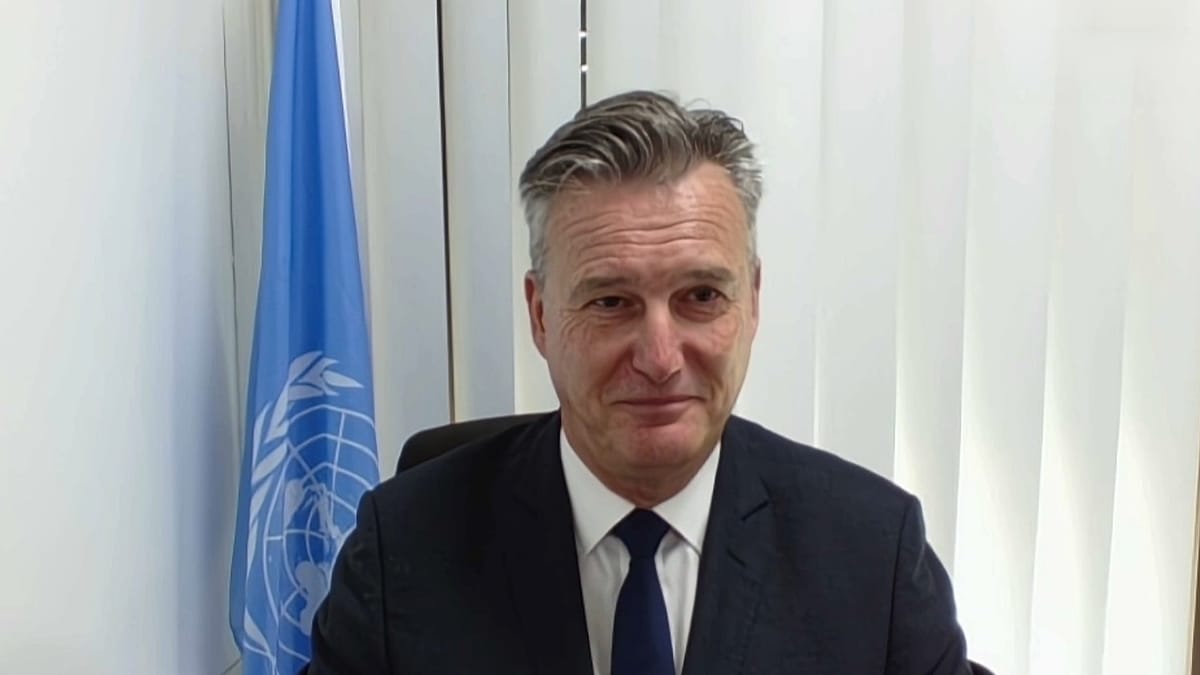
Iran's leadership is caught in a web of its own rhetoric, making a nuclear deal with the United States increasingly elusive, according to Kourosh Ahmadi, a former Iranian diplomat. Speaking to Euronews Persian, Ahmadi described both Tehran and Washington as "trapped in slogans they have already committed to," with domestic constraints on each side hindering progress.
A second round of talks between Iranian parliament speaker Mohammad Bagher Ghalibaf and US Vice President JD Vance, scheduled for mid-week in Islamabad, did not take place. The delay followed Iran's dissatisfaction with the US naval blockade and President Donald Trump's threats, as well as internal disagreements among Iranian officials. Pakistan's deadlines passed without a decision from Tehran, though efforts to reschedule continue.
Stalemate at Sea and in Diplomacy
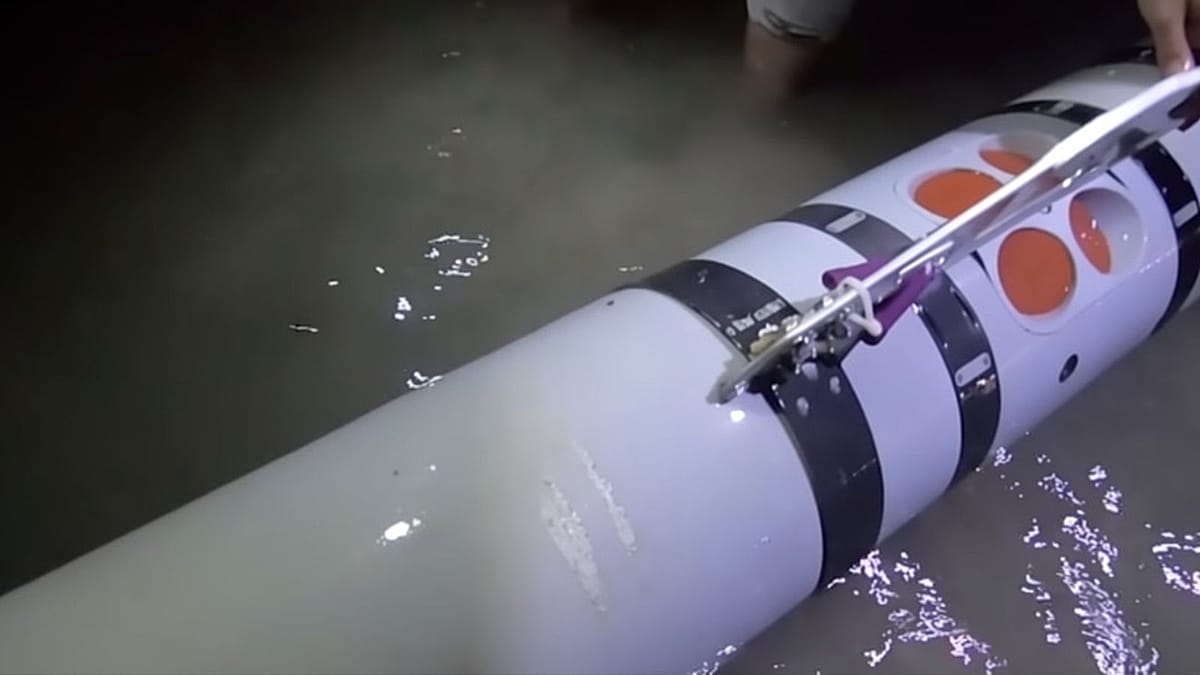
The US maintains a naval blockade of Iranian ports, while Iran has restricted traffic in the Strait of Hormuz, creating what Ahmadi called a "relatively balanced position." Iran's Supreme National Security Council issued a firm statement refusing to "back down one bit" on the strait closure, following remarks by Foreign Minister Abbas Araghchi that suggested reopening within technical limits during the ceasefire. Ahmadi noted the council's statement was a reaction to Trump's insistence on continuing the blockade, not an opposition to talks. "If Trump had not insisted on continuing the naval blockade, the Strait of Hormuz could have remained open," he said.
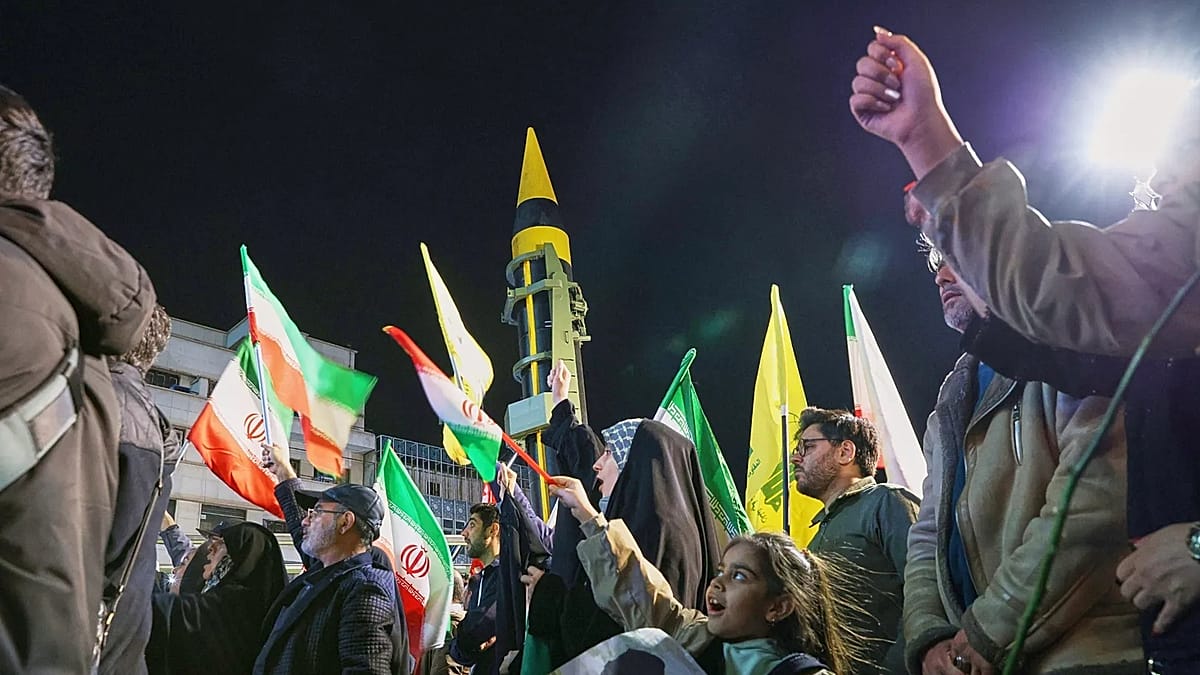
The standoff has emboldened hardliners in Iran, who accuse negotiators of making excessive concessions. Some invoke religious narratives, such as the sacrifice of Imam Husayn, to justify resistance. Ahmadi cautioned against overinterpreting such rhetoric: "These are rhetorical statements often used by political leaders to address their audiences. They should not be taken literally or as a basis for policy."
This crisis has direct implications for European energy security, as the Strait of Hormuz is a critical chokepoint for oil and gas shipments. The Strait of Hormuz crisis deepens as Iran seizes ships, adding urgency to diplomatic efforts. Meanwhile, Qatar urges diplomacy as talks face uncertainty, highlighting the role of regional mediators.
Enrichment as Leverage, Not Deterrence
On uranium enrichment, Ahmadi argued that any major decision, such as a long-term suspension, would require approval by the Supreme National Security Council and the new Ayatollah Mojtaba Khamenei. He dismissed the idea that enrichment was aimed at producing a bomb, citing a fatwa that forbids such weapons in Islam. Instead, he suggested enrichment at high levels served two purposes: military deterrence and leverage in negotiations to lift sanctions.
"The assumption about military deterrence has proven baseless, especially after recent wars showed enrichment does not prevent conflict," Ahmadi said. "If the objective was to create leverage for sanctions relief, then enrichment should now be used in that same direction."
European capitals are watching closely, as any escalation could disrupt global markets. The markets remain on edge as talks enter final hours of the ceasefire. Ahmadi warned that a complete withdrawal by Iran would allow the US to shift blame onto Tehran, further complicating the path to a deal.
"I hope those who use such slogans do not become prisoners of their own rhetoric," Ahmadi said. "First, there must be a viable state called Iran in this difficult region, and only then can it pursue a nuclear industry or any other development to improve people's lives."