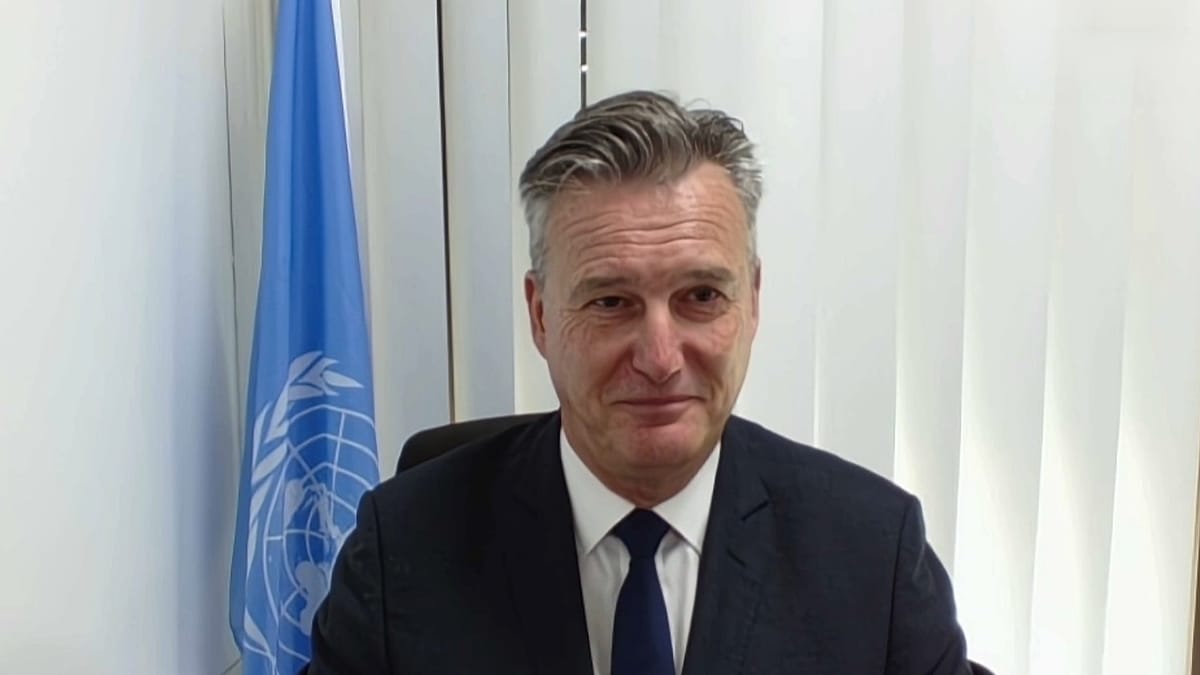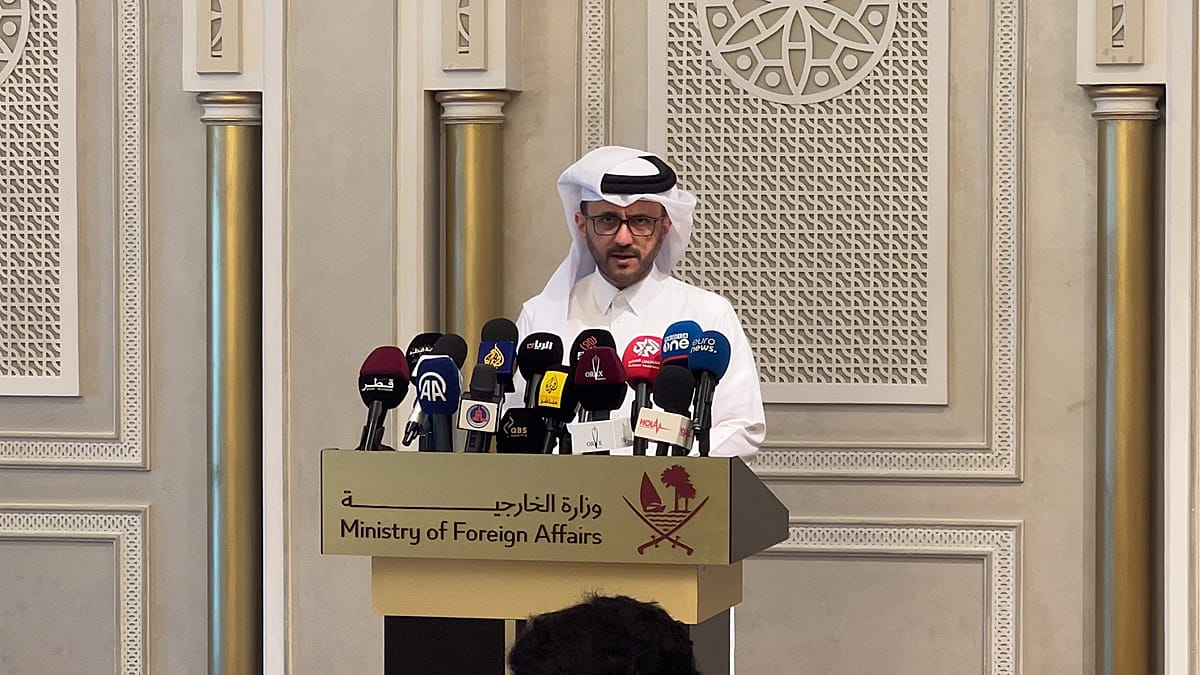
Qatar has stepped up its diplomatic efforts, calling for an immediate ceasefire and a return to negotiations as uncertainty clouds US-Iran talks currently underway in Islamabad. Speaking at a press conference in Doha, foreign ministry spokesperson Dr Majed al-Ansari emphasised the Gulf state's direct engagement with all parties involved.
"The crisis is ours, and the crisis of our region. That’s why we have direct contacts," al-Ansari said. He added that Qatar supports maintaining the ceasefire while doubts persist over whether the talks are making progress. "Our call has only been to end this war and return to the negotiation table. Qatar supports the continuation of the ceasefire until there’s a diplomatic resolution."
The spokesperson acknowledged receiving conflicting reports about the negotiations, expressing concern over the lack of clarity. "We are hearing contradicting reports and we are quite concerned," he noted. Despite the uncertainty, al-Ansari refrained from declaring the talks a failure, stating, "We do not want to talk about the failure of the negotiations. The entire world is supporting these negotiations, including us. And we are supporting our brothers in Pakistan."
Global Risks from Strait of Hormuz Disruption
The uncertainty surrounding the US-Iran talks comes against a backdrop of unresolved tensions between Washington and Tehran, raising questions about whether diplomacy can deliver a lasting outcome. Qatar has warned that any prolonged disruption could have consequences far beyond the region, even as it asserts its own ability to withstand potential shocks.
"Today, this closure is felt at the level of homes, and the electricity that goes to these houses in countries thousands of kilometres away from this area," al-Ansari said, pointing to the wider impact on global energy flows. The Strait of Hormuz, a critical chokepoint for international oil and gas shipments, has become a focal point of rising tensions. Any disruption there is closely watched by global markets, as seen in recent Iranian seizures of ships in the waterway.
For European capitals, the stakes are particularly high. The European Union relies heavily on energy imports, and instability in the Gulf could drive up prices and threaten supply chains. The bloc has historically supported diplomatic solutions to the Iran nuclear file, and the current talks in Islamabad represent a potential avenue for de-escalation. However, the lack of transparency around the negotiations has left many in Brussels and other European capitals cautious.
Qatar's role as a mediator is not new; the Gulf state has previously facilitated talks between the US and the Taliban, as well as between other regional adversaries. Its current push for a ceasefire aligns with broader international efforts to prevent a wider conflict that could destabilise the Middle East and beyond. The recent market rebound following a temporary ceasefire underscores the economic sensitivity of the situation.
As the talks in Islamabad continue without clear signs of progress, the risk of a return to hostilities remains. Qatar's call for diplomacy serves as a reminder that the cost of failure could be borne by countries far from the Gulf, including those in Europe that depend on stable energy markets. The coming days will be critical in determining whether the ceasefire can hold and whether a more comprehensive agreement can be reached.