The financial narrative of 2026 has been defined by a sharp geopolitical shock and an equally sharp recovery, with the markets initially hardest hit by the Iran war now leading global performance. What began as a severe stagflation scare has transformed into one of the most aggressive relief rallies in recent memory, reshaping the year's economic outlook.
A Three-Act Drama for Global Markets
The year opened with robust optimism. From January through late February, global equities advanced on expectations of central bank interest rate cuts and a powerful surge in demand for memory chips, propelling benchmarks in Seoul and Taipei to record levels.
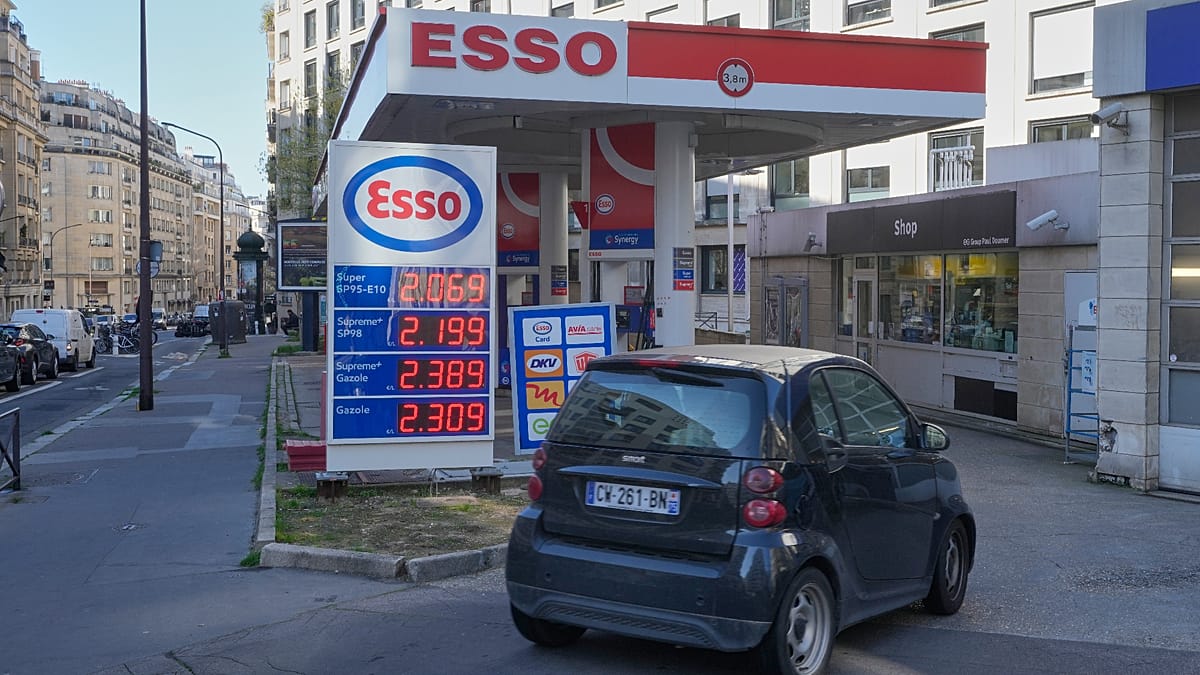
The second act commenced on 28 February, when joint US-Israeli airstrikes ignited the ongoing conflict with Iran. The subsequent closure of the Strait of Hormuz on 4 March sent Brent crude soaring past $120 a barrel, triggering a global market rout. South Korea's KOSPI, which had rallied more than 50% in the preceding months, plunged 19% in March—its worst monthly decline since the 2008 financial crisis. The S&P 500 neared correction territory, while European indices tumbled as economists warned of rising stagflation risks, a concern echoed by the EU's energy chief.
The third act began in early April. A five-point peace initiative delivered by Pakistan and China on 31 March, followed by a formal announcement from former US President Donald Trump of a two-week ceasefire with Tehran on 7 April, pulled markets from their lows. Oil prices have since fallen nearly 25%, fuelling a historic global equity rebound.
Korea's Semiconductor-Fuelled Dominance
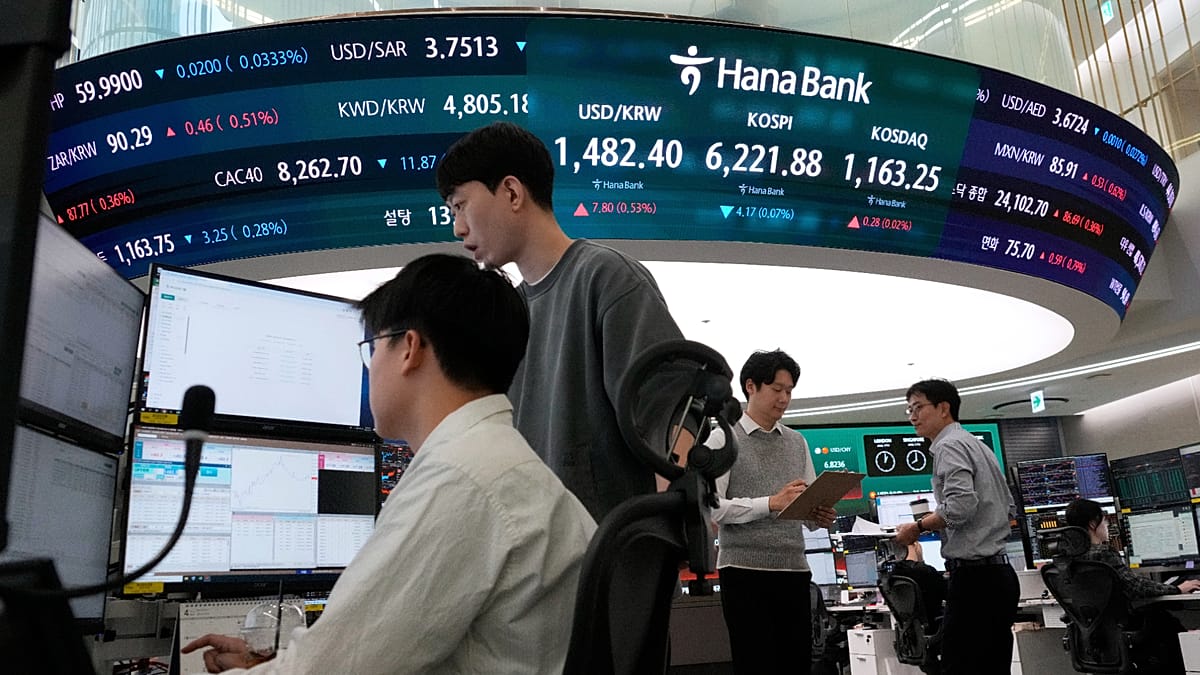
South Korea stands as the unequivocal leader of the 2026 recovery. The KOSPI's year-to-date gain of 51.59% dwarfs the returns of major Western indices; the S&P 500 is up just 3.85%, the Nasdaq 5%, and the pan-European Euro Stoxx 50 a modest 3.40%.
This performance is not broad-based but intensely concentrated. Samsung Electronics and SK Hynix together account for roughly 41% of the KOSPI's total market capitalisation, and both have seen their shares rise close to 80% this year. They are the primary beneficiaries of an artificial intelligence-driven memory-chip supercycle. Samsung posted a record preliminary operating profit for the first quarter, while SK Hynix has secured long-term supply agreements with major cloud and GPU firms. This concentration explains the index's extreme volatility: it led the pre-war rally, fell hardest during the crisis, and has rebounded with exceptional force. Analysts at Goldman Sachs accurately predicted this pattern, describing the March selloff as a correction likely to be followed by new highs.
European Markets and the Ceasefire Dividend
While Asian tech hubs have captured headlines, European markets have quietly secured significant gains from the de-escalation. Analysing performance since the 30 March pre-ceasefire low reveals telling trends.
Greece ranks as a notable performer, its bank-heavy benchmark rallying on the twin prospects of falling oil prices and a potential reprieve for the European Central Bank. The conflict had forced a difficult reassessment of monetary policy across the bloc, but the ceasefire has raised hopes the ECB can avoid the aggressive rate-hiking cycle once deemed inevitable. Similar stories are evident in the rallies seen in Poland, the Netherlands, Sweden, and Austria.
The recovery has also provided a temporary buffer against the inflationary pressures that had begun to bite, such as the recent rise in UK inflation linked to energy costs.
A Fragile Foundation for Recovery
The 2026 market league table ultimately measures three concurrent dynamics: pre-war strength, resilience during the shock, and capacity for recovery. South Korea is the only market to excel in two of these three categories, cementing its status as the year's defining equity story so far.
However, the foundation of this rally remains precarious. The two-week ceasefire brokered by the Trump administration is set to imminently expire. Talks are ongoing in Islamabad to secure an extension, but as of this week, the Strait of Hormuz has not been fully reopened, and both sides have traded accusations of violating the truce.
For now, South Korea is running away with 2026. Yet the coming fortnight will determine whether April's surge was merely a ceasefire peak or a sustainable launchpad for growth. The stakes are high for a European economy still grappling with the broader supply chain disruptions emanating from regional instability.