Inflation in the United Kingdom accelerated in March, reaching an annual rate of 3.3%, as the conflict in the Middle East sent energy costs sharply higher. The Office for National Statistics reported the increase from February's 3%, confirming forecasts that price pressures are re-emerging.
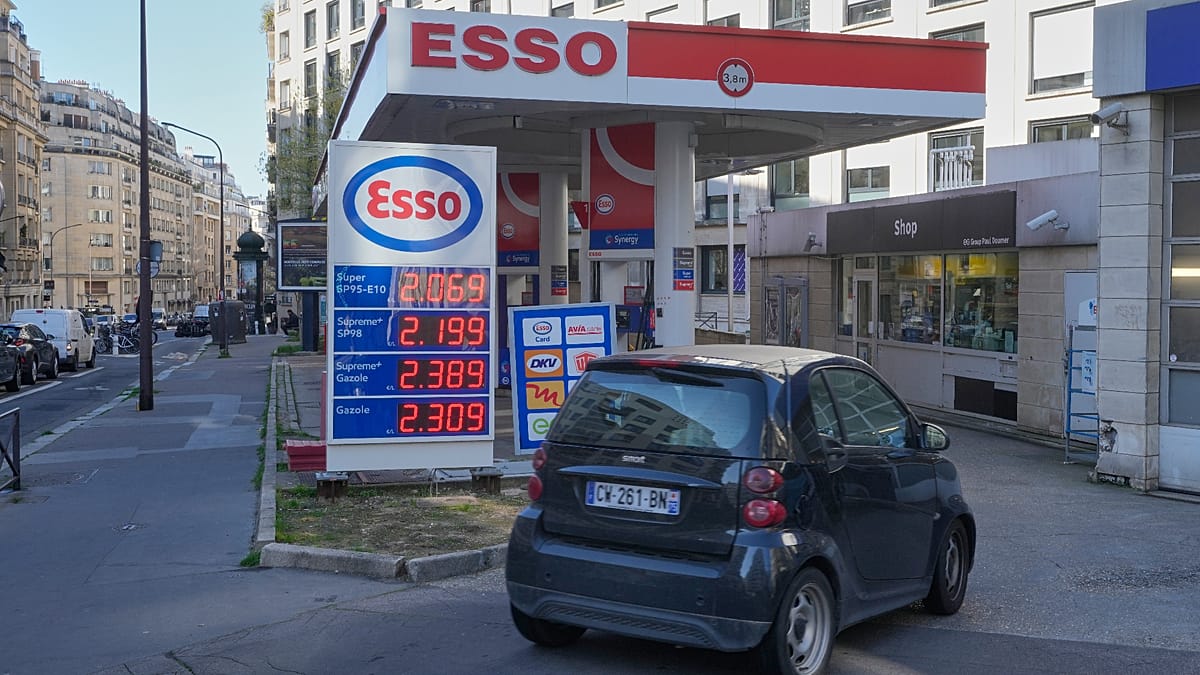
The primary driver was an 8.7% monthly surge in motor fuel prices, the steepest increase since the summer of 2022 following Russia's full-scale invasion of Ukraine. This spike is a direct consequence of the war in Iran, which has disrupted global oil supplies and tightened the physical market for crude deliveries into Europe.
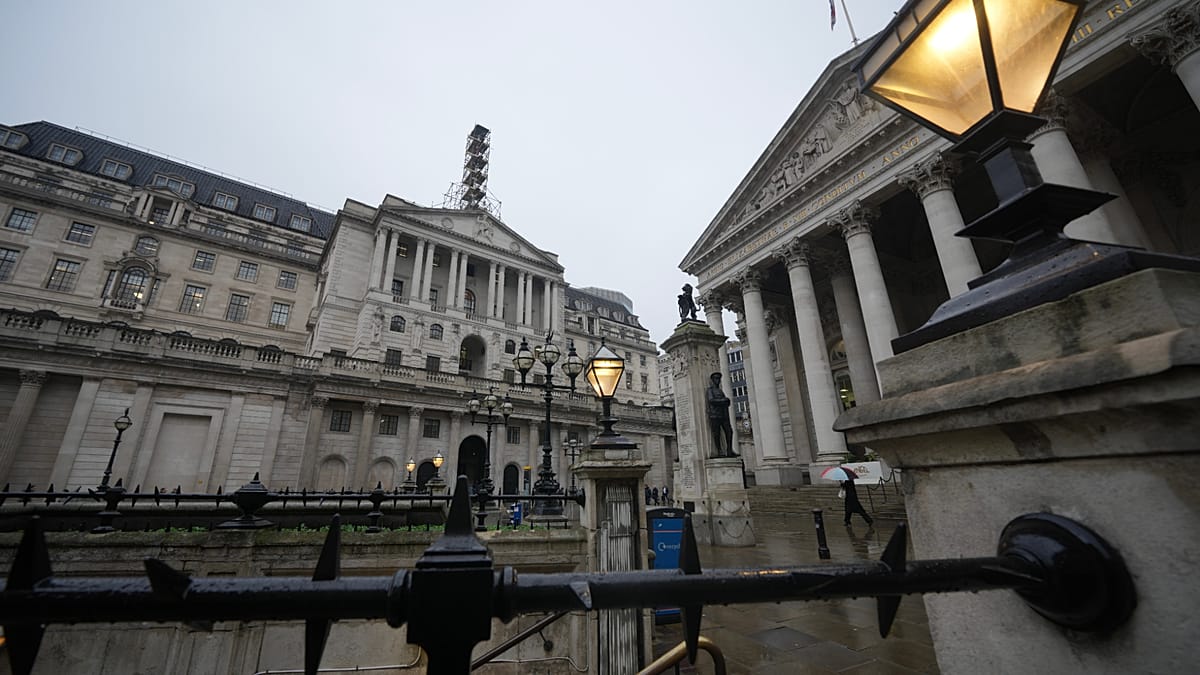
A Policy Dilemma for Threadneedle Street
The timing of this inflationary pulse presents a significant challenge for the Bank of England. The domestic economy is showing signs of cooling, with recent labour market data indicating falling payrolled employment and rising economic inactivity. Wage growth has also begun to ease. For British households, this creates a squeeze on real purchasing power, as essential costs rise while earnings stagnate.
Prior to the escalation of the Iran conflict, a consensus was building that the Bank's Monetary Policy Committee would begin cutting its main interest rate from 3.75% as early as next week, with inflation appearing to trend back toward the official 2% target. That expectation has now been upended. With inflation potentially heading toward 4% in the coming months, a rate cut next week now looks highly unlikely.
Chancellor of the Exchequer Rachel Reeves acknowledged the external nature of the shock, noting that while the conflict is not domestic, it is directly pushing up bills for families and businesses across Britain.
Supply Shock Versus Demand Tools
The situation has ignited a debate among economists about the appropriate policy response. Traditional interest rate hikes, designed to cool excess demand, may be a blunt instrument for addressing a crisis born of supply disruption. Investment strategist Lindsay James at Quilter observed, "This morning’s inflation data showed CPI creeping back up to 3.3%, confirming that price pressures are re-accelerating rather than fading away."
James further argued that "a rise in rates risks misdiagnosing the problem. This inflationary pulse is being driven by supply disruption, not excess demand. Higher interest rates will do nothing to increase the flow of oil or other goods from the Middle East."
The fallout extends beyond petrol stations. Higher energy inputs are beginning to filter into airfares and food supply chains, creating broader inflationary pressures. This echoes warnings from the EU's energy chief about prolonged price hikes stemming from the Middle East conflict, a concern shared across the Channel.
The strain on transport sectors is already materialising, as seen in decisions by major carriers like the Lufthansa Group to cut tens of thousands of flights due to soaring fuel costs, reshaping European air travel.
Experts suggest that a swift reopening of the Strait of Hormuz, a critical chokepoint for global oil shipments, is the only viable path to unwinding the current price trend. However, the geopolitical situation remains volatile and unpredictable, offering little near-term certainty for markets or policymakers.
For the Bank of England's Monetary Policy Committee, the meeting next week will now involve a much more difficult calculus. They must weigh the persistent, externally-driven cost pressures against clear signs of domestic economic softening, with their decision carrying significant implications for mortgage holders, businesses, and the UK's broader economic trajectory.