European stock markets opened largely unchanged on Tuesday, while Asian indices posted gains and oil prices crept upward as investors monitored the final hours of the US-Iran ceasefire. The truce, set to expire within 48 hours, has kept global markets in a state of heightened uncertainty.
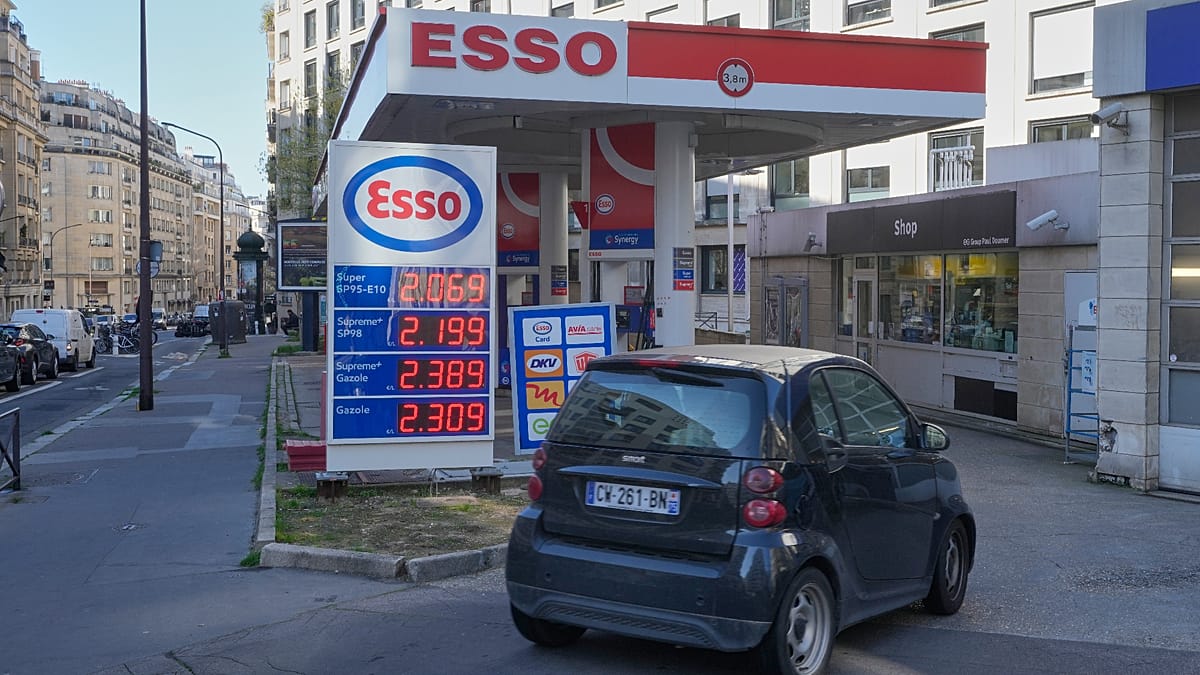
At the time of writing, US benchmark crude had risen 8.5% from last Friday's low to around $86.3 per barrel. Brent crude, the international benchmark, was trading roughly 9.5% higher at approximately $94.5 per barrel. The Strait of Hormuz remains closed, compounding supply concerns.
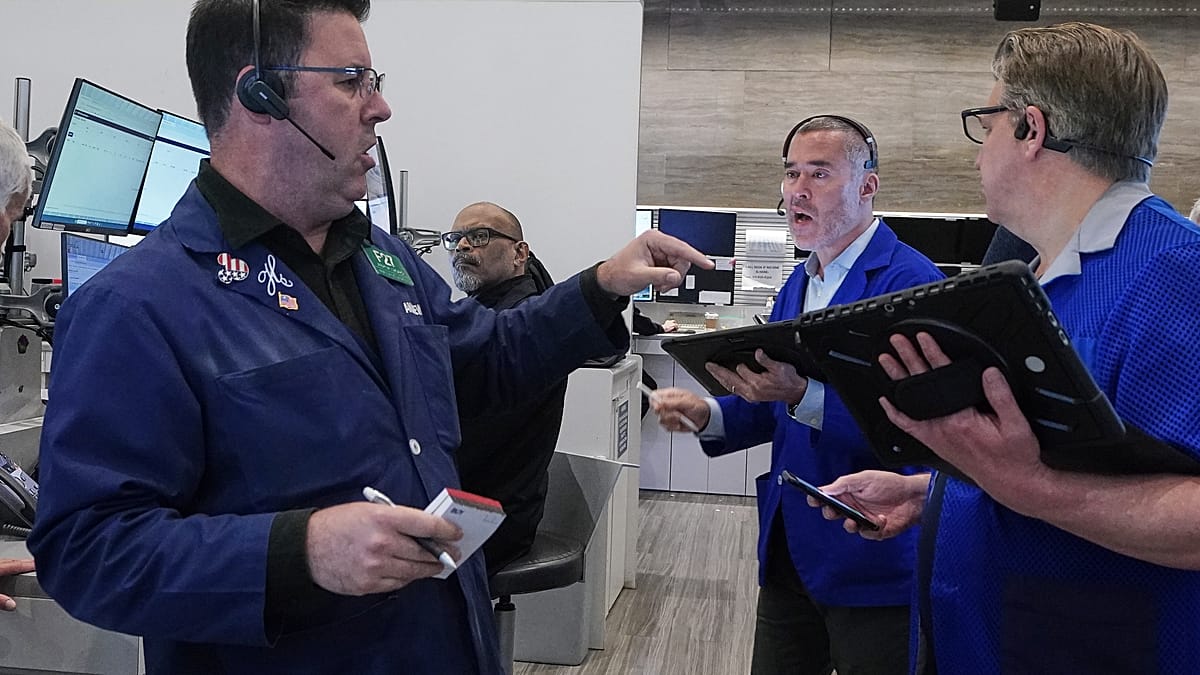
European benchmarks showed little movement. The Euro Stoxx 50 and the broader Stoxx 600 both fluctuated within a 0.2% range. National indices followed suit: London's FTSE 100, Frankfurt's DAX 30, Paris's CAC 40, and Milan's FTSE MIB all traded within a 0.3% band. On Wall Street, US futures were similarly range-bound, with the tech-heavy Nasdaq leading modest gains. The S&P 500 closed Monday marginally lower, down 0.2% at 7,109 points.
Diplomatic Efforts and Iranian Rhetoric
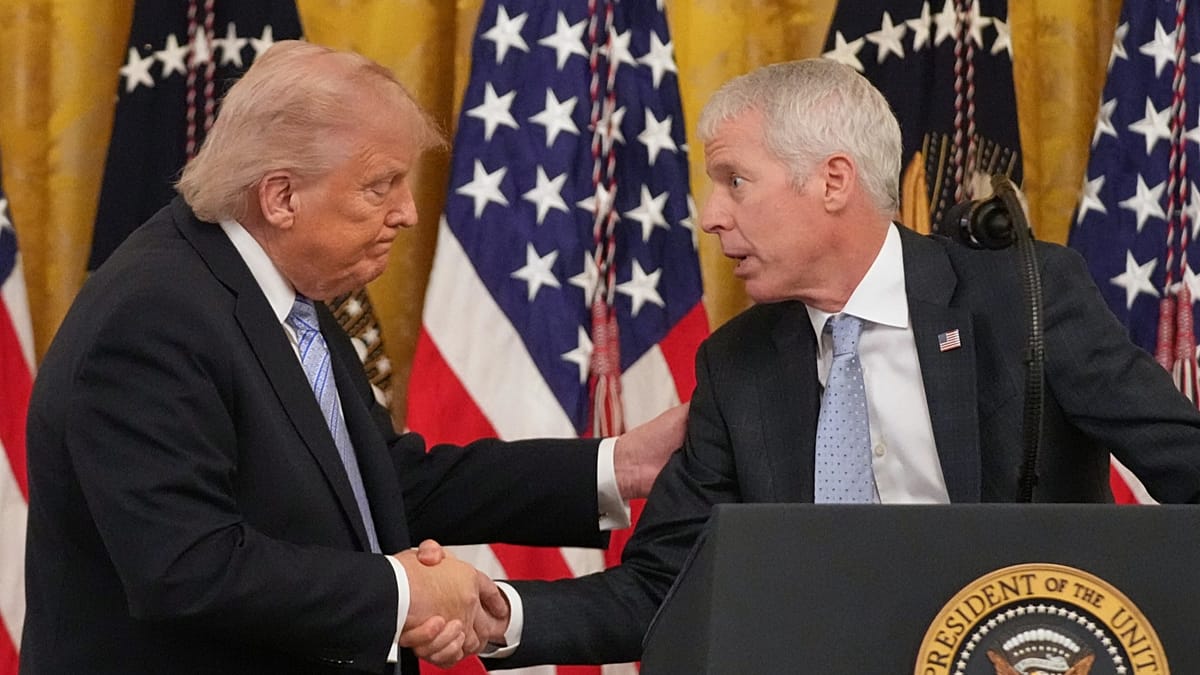
US special envoy Steve Witkoff and senior adviser Jared Kushner have traveled to Islamabad as part of renewed efforts to secure an agreement with Tehran. However, no concrete progress has been announced. President Donald Trump has asserted that any deal reached would surpass the 2015 Joint Comprehensive Plan of Action (JCPOA), from which he withdrew the United States in 2018.
Iranian officials have struck a defiant tone. Mohammad Ghalibaf, speaker of Iran’s parliament and former lead negotiator, declared on X that the country will “not accept negotiations under the shadow of threats” and “has prepared to reveal new cards on the battlefield.” Other Iranian representatives have described US demands as “excessive.”
The standoff has direct implications for European energy security and supply chains. The continued closure of the Strait of Hormuz threatens to push oil prices higher, feeding inflation across the continent. For a deeper look at how the conflict is affecting global commodity markets, see our analysis of how Middle East tensions are disrupting supply chains.
Primark and ABF: A Strategic Demerger
While broader markets tread water, a significant corporate development emerged from the UK. Associated British Foods (ABF) is expected to announce this week the outcome of a strategic review into demerging its fast-fashion retail arm, Primark, from its diversified food business. The conglomerate, controlled by the billionaire Weston family, has been working with advisers from Rothschild & Co to assess whether the split would maximise long-term shareholder value.
Analysts argue the move makes sense given the limited operational synergies between the two divisions. The food arm generates steady cash flows from brands such as Twinings, Patak’s, Jordans cereals, and Allied Bakeries. Primark, meanwhile, has pursued aggressive international expansion in a fiercely competitive retail sector. The decision comes as ABF faces tough trading conditions, with the group warning in January of flat annual sales and declining profits, further pressured by rising costs and the fallout from the Iran conflict, including potential increases in petrochemical prices.
For context on how geopolitical tensions are reshaping European defence and industrial priorities, read our report on Thales' 75% surge in defence orders.
As the ceasefire deadline approaches, markets remain acutely sensitive to any headline from the negotiations. Investors are bracing for potential volatility, with the outcome likely to influence energy prices, inflation expectations, and central bank policy across Europe in the weeks ahead.