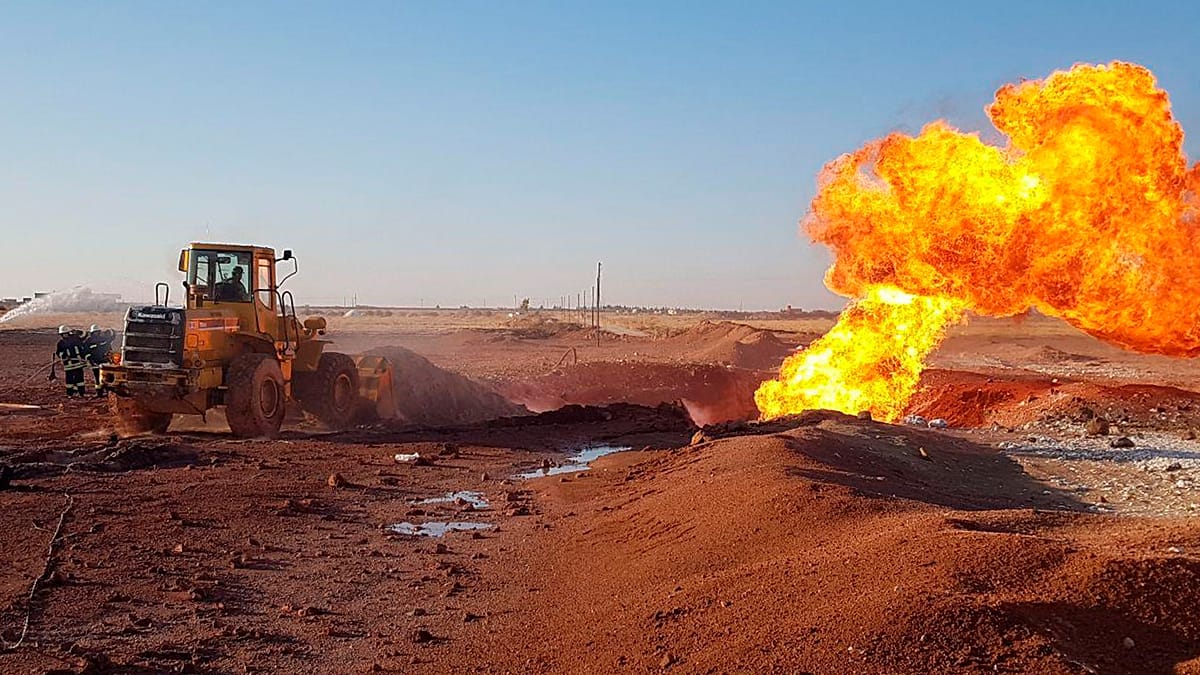
As the closure of the Strait of Hormuz reshapes global energy flows, Washington is reportedly advancing a plan to transform Syria into a major transit corridor for oil and gas destined for European markets. The proposal, attributed to US envoy to Syria Tom Barrack, envisions a network of pipelines linking Gulf and Iraqi fields to Mediterranean ports and onward to Turkey and Europe.
Speaking at the Antalya diplomacy forum in Turkey, Syrian President Ahmed al-Sharaa, a former rebel commander, endorsed the idea, stating that his country aims to become a safe corridor for energy and goods between East and West, connecting the Gulf to Turkey via Jordan. The plan focuses on underground pipeline corridors, described as a “land bridge,” to bypass vulnerable maritime chokepoints.
Pipeline Projects and Costs
Key elements include reviving the Kirkuk–Baniyas oil pipeline from Iraq to Syria’s Mediterranean coast, estimated at $4.5 billion (€3.8 billion), and the Qatar–Turkey gas pipeline, which would transport gas from Qatar’s North Field through Jordan and Syria to Turkey and Europe. Existing infrastructure, such as the Azerbaijan–Kilis–Aleppo gas line (operational since August 2025), would be expanded, alongside plans to extend the Arab Gas Pipeline from Egypt through Syria to Turkey. Domestically, over 1,000 kilometres of pipeline in northeast Syria would be rehabilitated, and new export routes constructed.
The document argues that the weaponization of sea routes, particularly the Strait of Hormuz, makes secure land-based supply chains a strategic necessity, “whatever the cost, which may exceed the calculations of market economies,” Barrack is quoted as saying. This aligns with broader European efforts to diversify energy sources, such as the US and Azerbaijan launch TRIPP Corridor talks, boosting Europe's energy diversification.
Scepticism from Analysts
Sarkis Kassarjian, a journalist specialising in Turkey and the Middle East, dismissed the proposal as a repackaging of ideas dating back to the early 2000s. He argued that Syria lacks the infrastructure, stability, and geographic advantages of alternatives like Saudi Arabia’s Red Sea ports, Israeli Mediterranean ports, and Turkish energy corridors. “These countries have the infrastructure, harbours and ports that make them more suitable for such projects than Damascus,” he said.
Kassarjian also highlighted security and governance challenges, noting that building and maintaining cross-border pipelines requires long-term stability, governance capacity, and security guarantees that remain uncertain. He pointed to limited progress on reconstruction in Syria, saying the economy relies primarily on direct financial support from allied countries, which is “very limited.”
Technical Feasibility
Syrian petroleum engineer Ghassan al-Rai offered a more cautious assessment, stating the project is technically feasible but dependent on financing, security, and political agreements. He noted that much of Syria’s basic pipeline infrastructure still exists, including former pumping stations and export routes used before 2011. Pipelines, typically buried underground, can be repaired or expanded using existing methods, and multiple pipelines could increase capacity to around one million barrels per day—though Gulf exports total about 20 million barrels daily.
However, al-Rai acknowledged major constraints, including a shortage of skilled technical labour after years of conflict, with many engineers having left the country. “We lack expertise today in Syria. Most of the young professionals, I would say eighty per cent of those who used to work with us are gone,” he said.
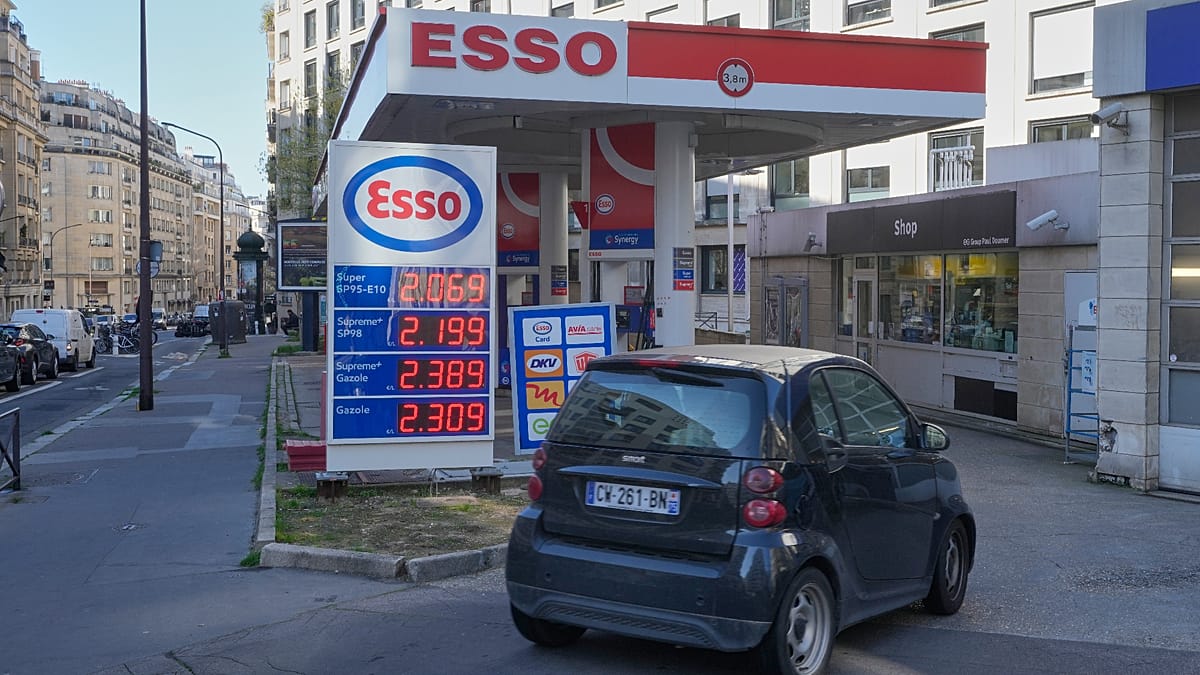
The plan emerges as Europe grapples with energy price hikes from the Middle East conflict, with EU Energy Chief warns of years-long recovery as Middle East conflict drives up costs. While the proposal offers a potential alternative to maritime routes, its realisation hinges on resolving Syria’s internal instability and securing international investment—a tall order given the country’s ongoing political and economic fragility.