Malta may be one of the world's most densely populated countries, but its crowds are not evenly spread. Most visitors cluster in the south around Valletta, Sliema, and St Julian's, leaving the north and the sister island of Gozo with a more relaxed pace. For those willing to skip the capital's packed streets, a different Malta emerges—one of silent medieval lanes, rugged coastlines, and dive sites that rival the Mediterranean's best.
My own route to Malta starts in Sicily, where the ferry from Pozzallo to Valletta takes just under two hours. Over six years living on Sicily's south-east coast, I've made the crossing many times. But on a recent trip, I decided to avoid Valletta altogether and base myself in the north, near Marfa Jetty, the departure point for boats to Comino and Gozo.
Staying north of the crowds
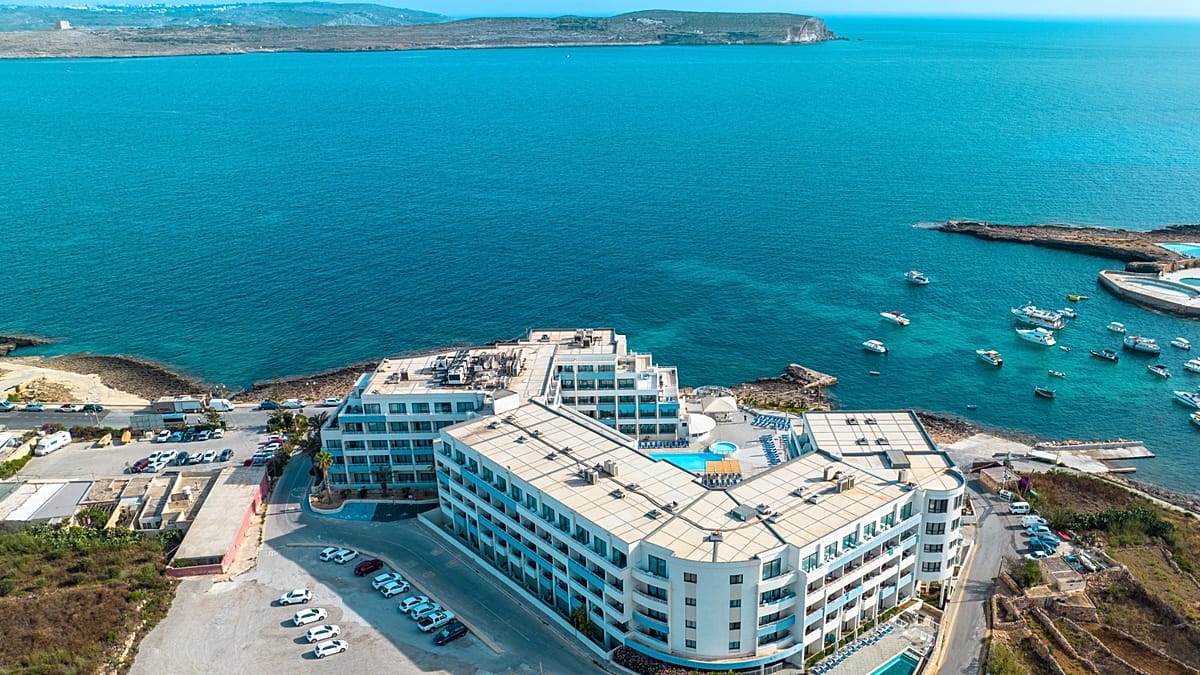
Most tourists who come to Malta's northern tip are only passing through, heading to the Blue Lagoon on Comino or the beaches of Gozo. That means hotels in the area are less oversubscribed than those in the south. I chose the Riviera Spa Resort, an adults-only property with views across to Comino. From the pool, we watched day-trippers queue for speedboats to the Blue Lagoon—a sight that confirmed we had made the right choice.
The hotel is not a luxury property, but it works well for group trips. With eight friends arriving from different parts of Europe, we appreciated the four restaurants, two bars, and a spa with one of the longest massage menus I've seen. The staff, many of them multilingual and from abroad, were genuinely welcoming. For those who want everything under one roof—pools, fitness classes, and evening entertainment—it's a practical base.
Mdina: the silent city
A short drive from the coast, Mdina (pronounced um-dee-nah) feels like a different world. This walled hilltop city, whose name comes from the Arabic for 'fortified place', has been inhabited for over 3,000 years. It served as Malta's capital until the Knights of St John moved their base to Birgu in the 16th century, and its importance faded further under British rule. Today, only about 400 people live within its walls, and the narrow, car-free streets give it a hushed, almost ethereal atmosphere.
We spent a late afternoon wandering the cobbled lanes, stopping for drinks and ice cream as the low sun turned the sandstone buildings golden. Mdina is no longer a ghost town—there are small museums and shops—but it retains a sense of calm that is rare in Malta. Arriving mid-to-late afternoon, especially in summer, is the best way to experience it.
Gozo: a diver's paradise
Gozo, the second-largest island in the archipelago, has a character distinct from Malta's main island. It is greener, quieter, and more rural, with a coastline of dramatic cliffs and hidden coves. For divers, it is one of Europe's top destinations, offering sites like the Inland Sea and the Blue Hole, a natural rock arch that plunges into deep water. Even for non-divers, the island's rugged beauty and slower pace make it a worthwhile day trip or longer stay.
Getting to Gozo is easy from Marfa Jetty, with frequent ferries to Mġarr. Once there, you can explore the capital Victoria, visit the Ġgantija temples—older than Stonehenge—or simply find a quiet beach. The island's relaxed vibe is a reminder that Malta is more than its crowded capital.
For those who want to experience Malta's quieter side, the north and Gozo offer a compelling alternative. Whether you're diving in Gozo's clear waters, wandering Mdina's silent streets, or simply watching the boats head to Comino from a poolside lounger, you'll find a side of Malta that many visitors miss. And if you're curious about other Mediterranean islands, you might also enjoy our comparison of Tenerife and Lanzarote for your next island escape.