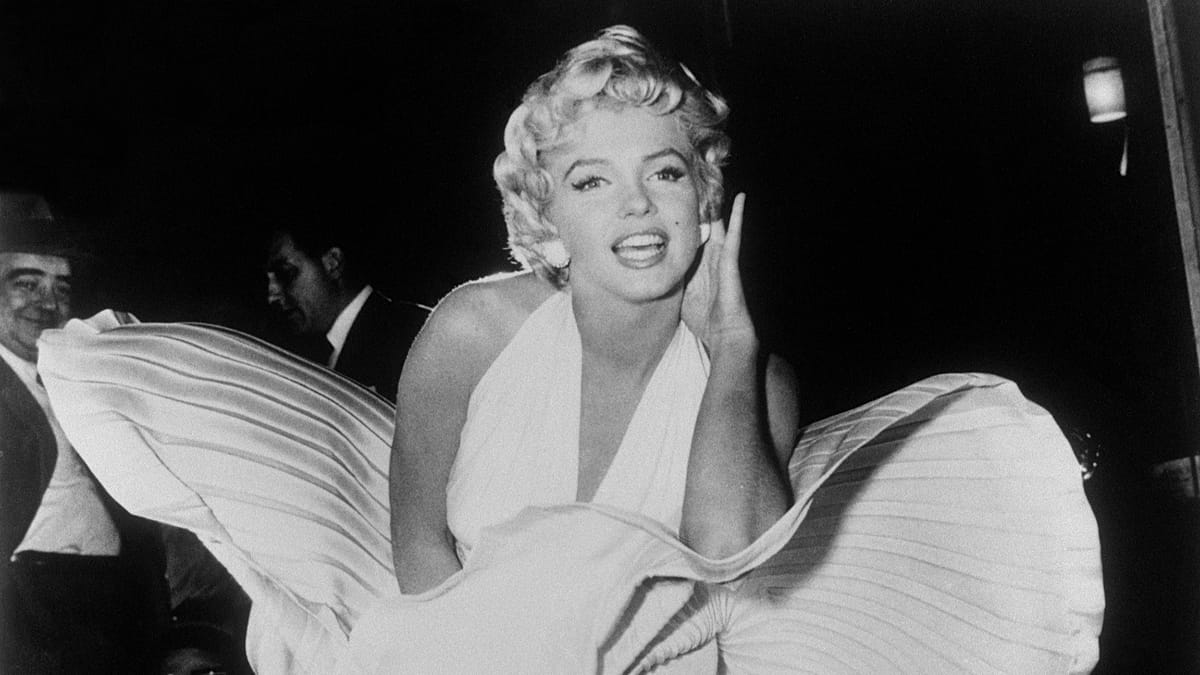
For decades, Marilyn Monroe has been frozen in the popular imagination as a tragic blonde, a femme fatale, or a feminist icon ahead of her time. A new exhibition at the Cinémathèque Française in Paris aims to peel back the layers of myth surrounding Hollywood's most enduring star, offering a nuanced portrait that resists easy labels.
Titled simply Marilyn Monroe, the show runs until February 2025 and brings together over 300 objects: film clips, costumes, personal photographs, letters, and even her annotated scripts. Curators have drawn from archives in the United States and Europe, including the Marilyn Monroe Collection in Los Angeles and private holdings in France and the United Kingdom.
Beyond the Blonde Bombshell
The exhibition deliberately avoids the familiar narrative of Monroe as a tragic figure. Instead, it highlights her agency in shaping her own career. Visitors can see her marked-up scripts, revealing a performer who worked meticulously on her craft. A letter to her acting coach, Lee Strasberg, shows her frustration with being typecast. “I want to be an artist, not a sex symbol,” she wrote in 1955.
This tension between public image and private ambition is a central theme. The show includes rarely seen footage from her time studying at the Actors Studio in New York, as well as photographs from her 1956 trip to London to film The Prince and the Showgirl with Laurence Olivier. That collaboration, famously fraught, is documented in production notes that reveal Monroe’s insistence on creative control.
“She was a woman navigating a male-dominated industry long before the term ‘feminist’ was widely used,” said exhibition curator Sophie Dufour in a statement. “This exhibition asks visitors to reconsider what they think they know about her.”
A European Lens on an American Icon
While Monroe was quintessentially American, her appeal in Europe was immense. The exhibition draws on European perspectives, including her close friendships with French intellectuals and artists. A section is devoted to her relationship with Simone de Beauvoir, who wrote about Monroe in The Second Sex as a symbol of female objectification. Another display features works by Andy Warhol, whose silkscreens of Monroe’s face became icons of pop art—a reminder of how her image was commodified even after her death.
The Cinémathèque Française, housed in a striking modern building designed by Frank Gehry in the 12th arrondissement, is an apt venue. It has a long history of celebrating cinema as art, and this exhibition fits into a broader trend of major European institutions reexamining Hollywood legends. Earlier this year, the Louvre juxtaposed Michelangelo and Rodin to explore the human form; here, the focus is on the construction of a star.
Myth and Reality
The exhibition does not shy away from the darker aspects of Monroe’s life. Her struggles with mental health, her marriages to baseball star Joe DiMaggio and playwright Arthur Miller, and her untimely death at 36 are all addressed. But curators have chosen to emphasize her resilience. A wall of quotes from contemporaries—including Billy Wilder, who directed her in Some Like It Hot—paints a picture of a woman who was both vulnerable and fiercely determined.
“She was the most professional actress I ever worked with,” Wilder is quoted as saying. “She knew exactly what she was doing.”
For visitors, the exhibition offers a chance to see Monroe beyond the tabloid headlines. It also raises questions about how we remember public figures—a theme that resonates in an era of social media and curated identities. As another recent exhibition in Paris explored the relics of extreme fandom, Monroe’s enduring appeal suggests a similar phenomenon: the transformation of a person into a symbol.
Whether she was a feminist icon or a femme fatale may never be settled. But this exhibition makes a compelling case that she was, above all, a woman who refused to be reduced to a single story.



