In Germany, the annual vote for the Youth Word of the Year has taken an unexpected turn. Among the submissions flooding the online platform run by publisher Pons Langenscheidt, one term stands out: ‘Mehrzweckeier’. The word, a pun on the slogan ‘Merz leck Eier’ (Merz, lick eggs), has become a rallying cry for critics of Chancellor Friedrich Merz and his government’s conscription reform.
From Protest Placard to Viral Phenomenon
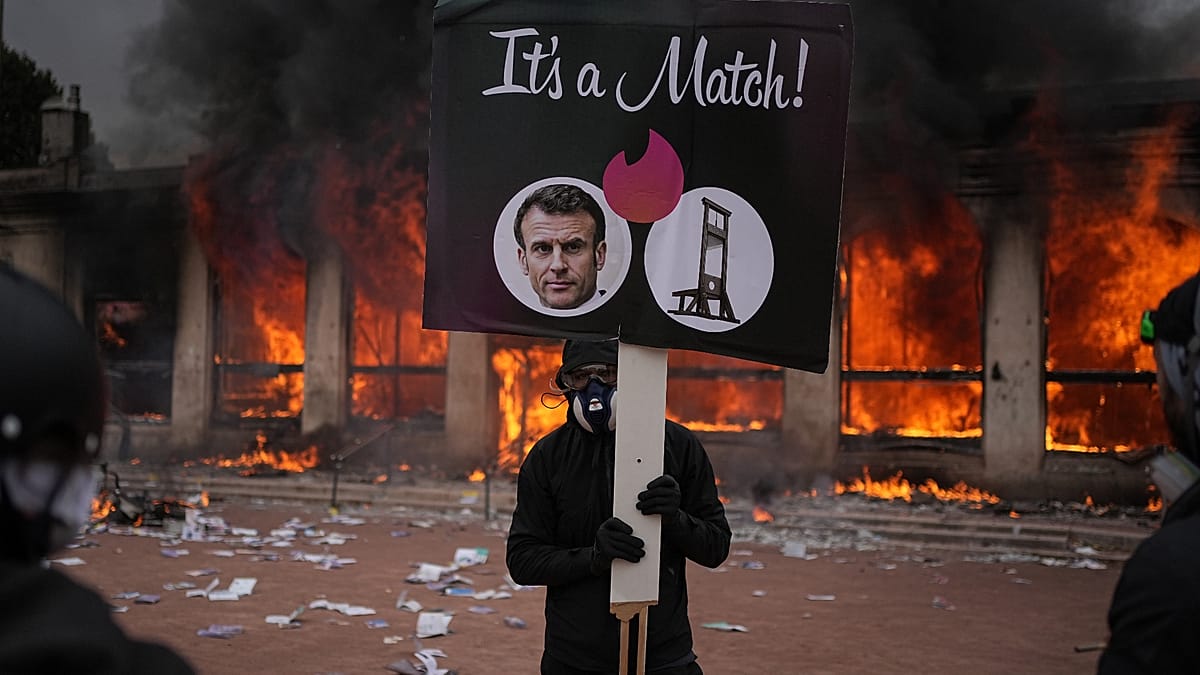
The phrase first appeared in early March on a placard held by an 18-year-old student at a demonstration against conscription in Berlin. Police confiscated the sign. A similar incident in Gießen weeks later led the local public prosecutor’s office to open an investigation for suspected slander and defamation of a public political figure. This legal response sparked outrage online, propelling the term into the mainstream.
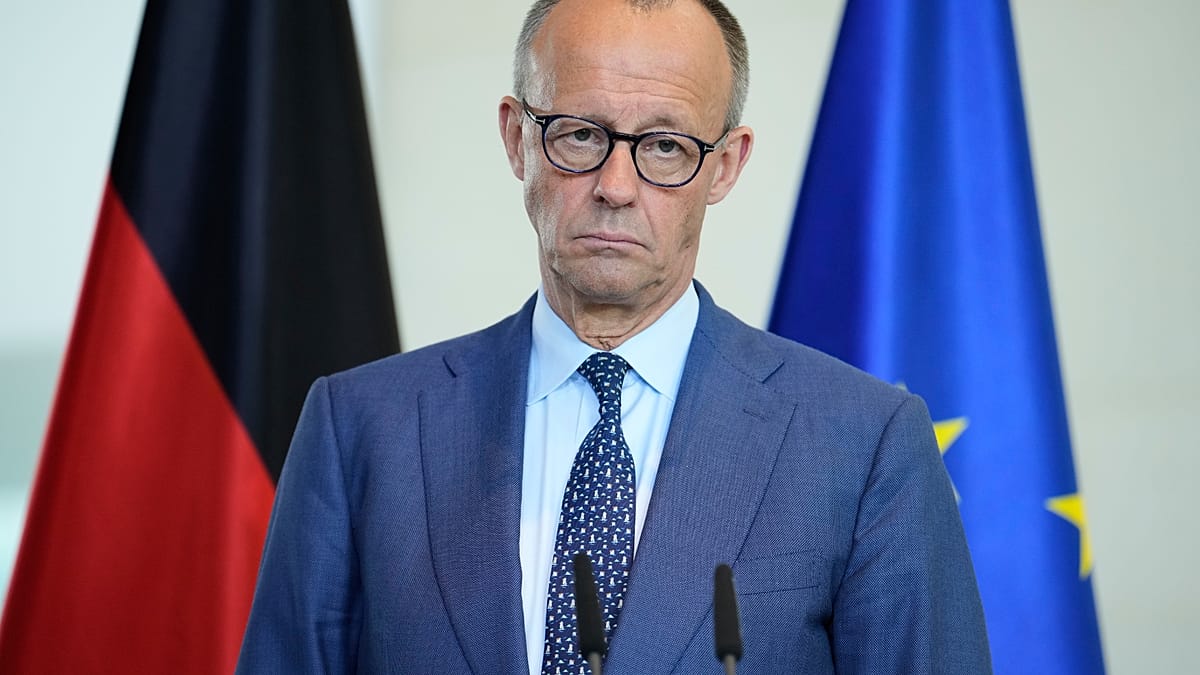
On Instagram, users shared images bearing the slogan. An activist known as ‘sacksaftbeats’ renamed several CDU party headquarters on Google Maps to ‘Eierhaus’, claiming 161 of his changes had gone live. What began as criticism of conscription reform has morphed into a broader protest against Merz himself. In an interview with Der Spiegel, Merz complained: ‘If you look at what is being spread about me there, how I am attacked and disparaged; no chancellor before me has had to endure anything like this.’
Legal Tightening and Free Speech Debates
The conservative CDU/CSU bloc now seeks to reform Section 188 of the German Criminal Code, which criminalises insults, slander, and defamation of politicians. Already tightened in 2021 to allow prosecution without a victim’s complaint, the law has led to increasing penalties. A man in Baden-Württemberg recently paid nearly a month’s net salary for calling Merz ‘Lügenfritz’ (liar Fritz) on Facebook. Another citizen in Heilbronn was fined 20 daily rates for labelling Merz a ‘Lackaffe’ (dandy ape), though the case was dropped after appeal.
Yet not all conservatives back further tightening. CDU general secretary Carsten Linnemann and parliamentary leader Jens Spahn have argued that insults should again require a formal complaint, as before 2021. Green politician Erik Marquardt also favours abolishing Section 188, stressing the need to preserve freedom of expression. The SPD, however, rejects such calls, with legal affairs spokesperson Carmen Wegge noting that investigations under the law have risen from 2,600 in 2025 to 4,500 recently.
Youth Word of the Year: A Political Statement?
On Reddit, users have urged mass submissions of ‘Mehrzweckeier’ for the Youth Word of the Year 2026, with comments ranging from ‘done’ to ‘I am doing my part’. The vote remains open until mid-June, after which a top 10 shortlist will be compiled in late July. The winner will be announced in autumn.
The term’s popularity reflects a broader European debate about the boundaries of political satire and free speech. Similar tensions have emerged elsewhere, such as in protests against Russia’s return to the Venice Biennale, where groups like Pussy Riot and FEMEN have used provocative language to challenge authority. In Germany, the outcome of this vote may signal how younger generations view the balance between respect for public officials and the right to dissent.