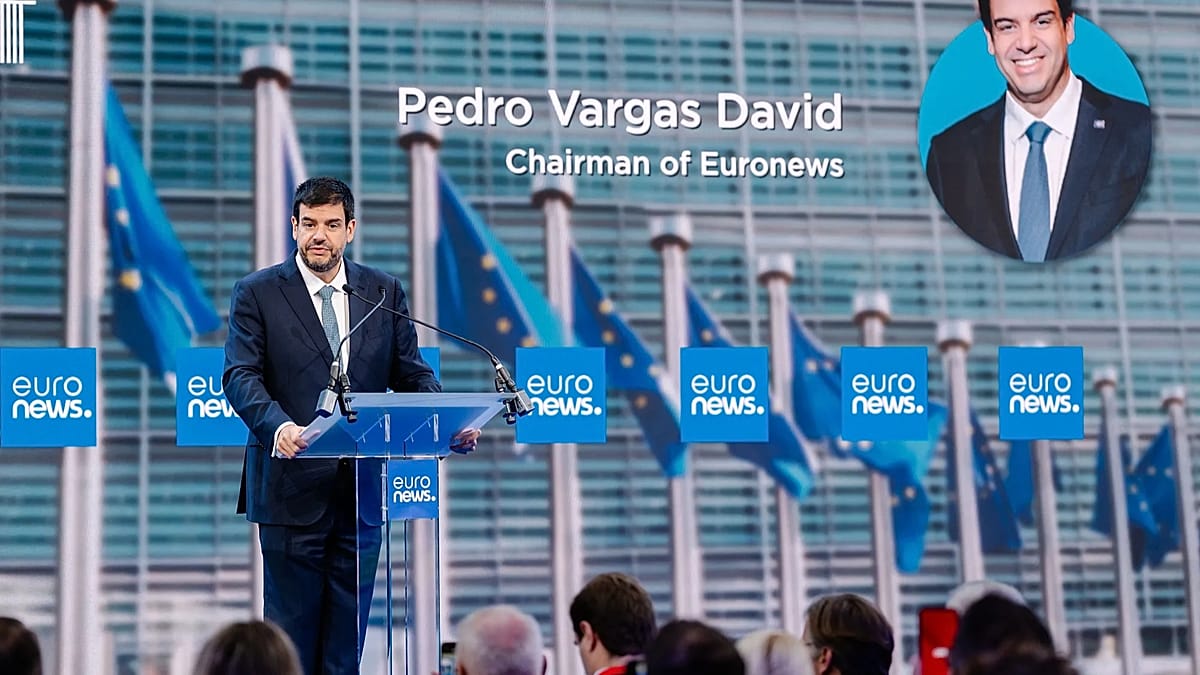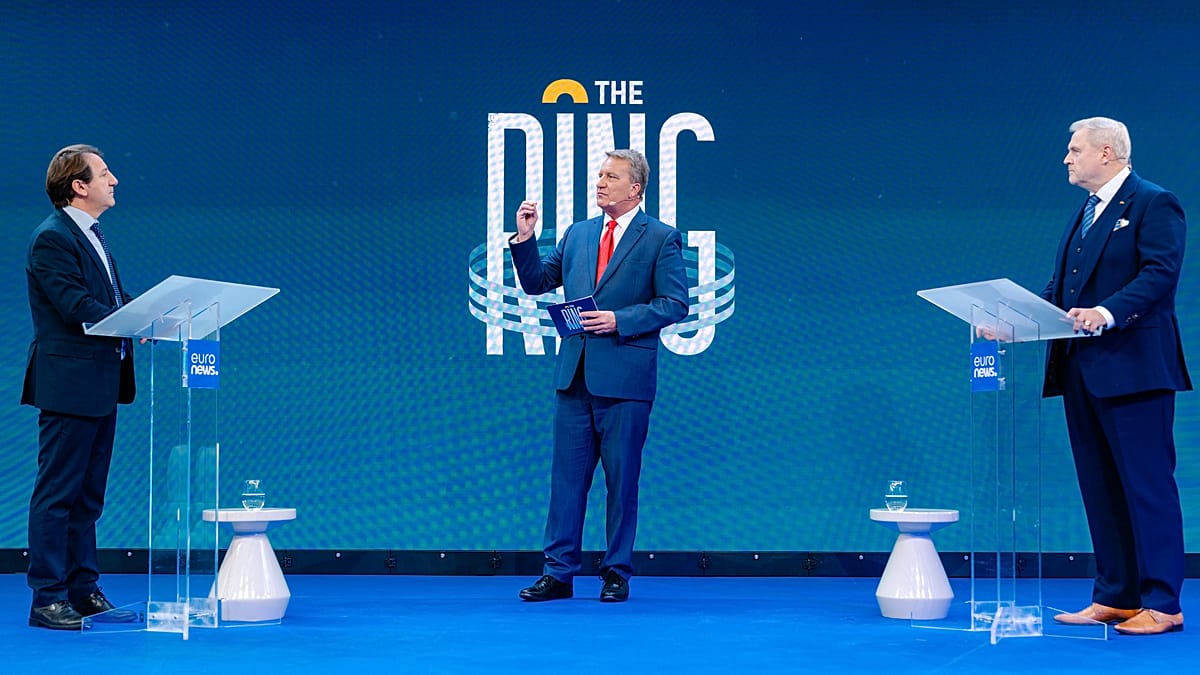
The Euronews Enlargement Summit in Brussels has put European Union expansion back on the agenda, with leaders and lawmakers weighing the bloc's readiness to take on new members. The event came as the European Commission released its latest progress reports on candidate countries, offering a mixed picture of reform and setbacks.
At the heart of the debate were two MEPs with contrasting visions: Riho Terras, an Estonian from the centre-right European People's Party (EPP), and Pasquale Tridico, an Italian from The Left group. Their exchange highlighted the political fault lines that run through the enlargement project.
Enlargement momentum and its limits
The summit underscored that the EU is closer to expanding than at any point in the past decade. From the Western Balkans to the Southern Caucasus and Europe's eastern flank, candidate countries are pressing their cases. Yet the path to membership remains strewn with political sensitivities, demanding reforms, and diplomatic hurdles.
Terras, a former Estonian military commander, argued that enlargement is a strategic necessity. He pointed to Russia's war in Ukraine as a catalyst that has revived the bloc's interest in bringing in new members. "We cannot afford to leave a vacuum in our neighbourhood," he said, stressing that the EU must act decisively to secure stability and democracy.
Tridico, an economist and former chair of Italy's INPS, took a more cautious line. He questioned whether the EU is institutionally prepared for a wave of new members, warning that admitting countries without deep reforms could strain the bloc's cohesion. "Enlargement must not become a hollow promise," he said, calling for rigorous conditionality.
The debate touched on specific countries, each with its own challenges. Ukraine and Georgia face ongoing conflicts and political turbulence, while Montenegro and Albania are further along in negotiations but still grapple with rule-of-law issues. Armenia, a newer candidate, is navigating a delicate balancing act between the EU and Russia.
Progress can be swift, but setbacks are equally dramatic. The summit's discussions reflected a growing recognition that the EU's own internal reforms—such as decision-making procedures and budget priorities—are as crucial as the candidates' homework.
Leaders gathered in Brussels also heard calls for a faster track for frontrunners, as some countries surge ahead while others lag. The idea of a "phased accession" is gaining traction, allowing candidates to join in stages and reap benefits early.
However, political obstacles remain. The summit's tone was optimistic, but the reality is that unanimous approval from all 27 member states is required for any new entry. National vetoes, domestic politics, and geopolitical rivalries can derail the process at any moment.
As the EU looks to reunite the continent, the debate between Terras and Tridico encapsulates the broader tension: the urgency to act versus the need to ensure that expansion strengthens, not weakens, the Union. The coming months will test whether the bloc can translate its rhetoric into concrete steps.