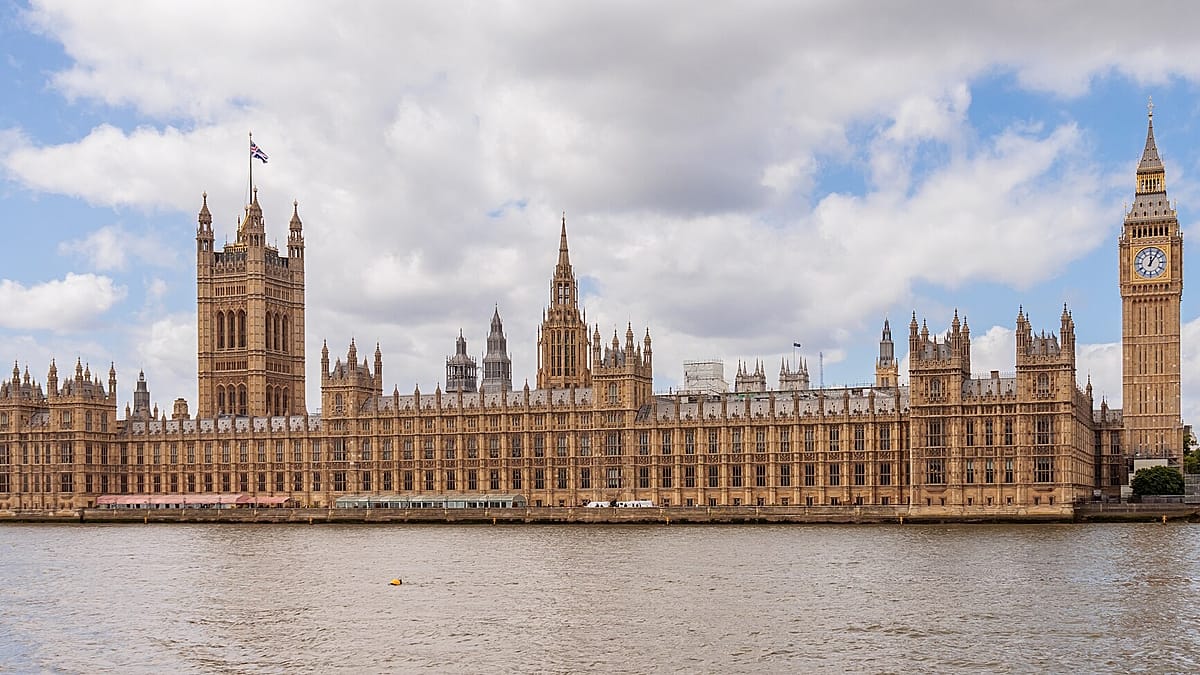
Britain's centuries-old parliament building is facing an increasingly precarious future as political indecision continues to stall a much-needed restoration programme. In a report published on Wednesday, the UK parliament's public accounts committee warned that the Palace of Westminster could suffer a "catastrophic failure" unless urgent action is taken.
The building, parts of which date back over 900 years, is plagued by crumbling masonry, outdated electrical systems, frequent leaks, and dangerously high levels of asbestos. These issues not only threaten the structural integrity of the UNESCO World Heritage site but also pose serious risks to the safety of those who work there and the millions of visitors each year.
A heritage at risk
The committee's chair, Geoffrey Clifton-Brown MP, painted a stark picture of what could happen if the delays continue. "A lack of action risks, for instance, the chamber being plunged into darkness during the state opening of parliament," he said, referring to the ceremony where the monarch reads the government's legislative agenda in the House of Commons. He also evoked the image of a fire like the one that devastated Notre-Dame in Paris, warning that "global rolling news footage of Notre-Dame-like flames licking out of the building's roof" could lead to the destruction of national heritage, or worse, injuries and loss of life. "These are not notional possibilities, but real and rising risks," he added.
The Palace of Westminster has already suffered two major fires in its history—one in 1512 that destroyed the royal apartments, and a larger one in 1834 that consumed most of the original palace. The current building, designed by Charles Barry and Augustus Pugin, was completed in 1870 and is a masterpiece of Gothic Revival architecture.
Decades of dithering
MPs first voted in 2018 to vacate the site to allow for comprehensive repairs, but since then, disagreements over the scope and cost have prevented any meaningful progress. The two houses of parliament are expected to hold a series of votes later this year to decide on the renovation approach. The options on the table range from a "full decant," which would see both chambers relocate for up to 24 years at an estimated cost of £15.6 billion (€18.7 billion), to a more limited "enhanced maintenance and improvement plus" plan, which would allow up to 30% of staff to remain on site and take up to 61 years, costing £39 billion (€46.8 billion).
Current timelines suggest that work will not begin until 2032, a delay that the committee says is already driving up costs. The weekly maintenance bill for the parliamentary estate is projected to rise from £1.5 million (€1.8 million) to £2 million (€2.4 million) in the coming years.
The situation in Westminster is not unique in Europe. Other parliaments have faced similar challenges, but few have delayed action for so long. In Hungary, for example, the parliament recently elected a new prosecutor general as part of an anti-corruption drive, demonstrating a willingness to address institutional issues. Meanwhile, in Albania, opposition MPs have resorted to dramatic protests, including setting off smoke flares in the chamber, to highlight political grievances. These examples underscore the importance of maintaining functional and safe parliamentary buildings across the continent.
The committee's report is a stark reminder that the Palace of Westminster is not just a symbol of British democracy but also a working building that must be preserved for future generations. As Clifton-Brown put it, the risks are real and rising. The question now is whether MPs will finally put aside their differences and act before it is too late.