Hungary has finally opened its communist-era secret police archives, releasing files that identify up to 60,000 informants. The move, announced on Wednesday, marks a long-awaited step in the country's effort to confront the legacy of four decades of one-party rule.
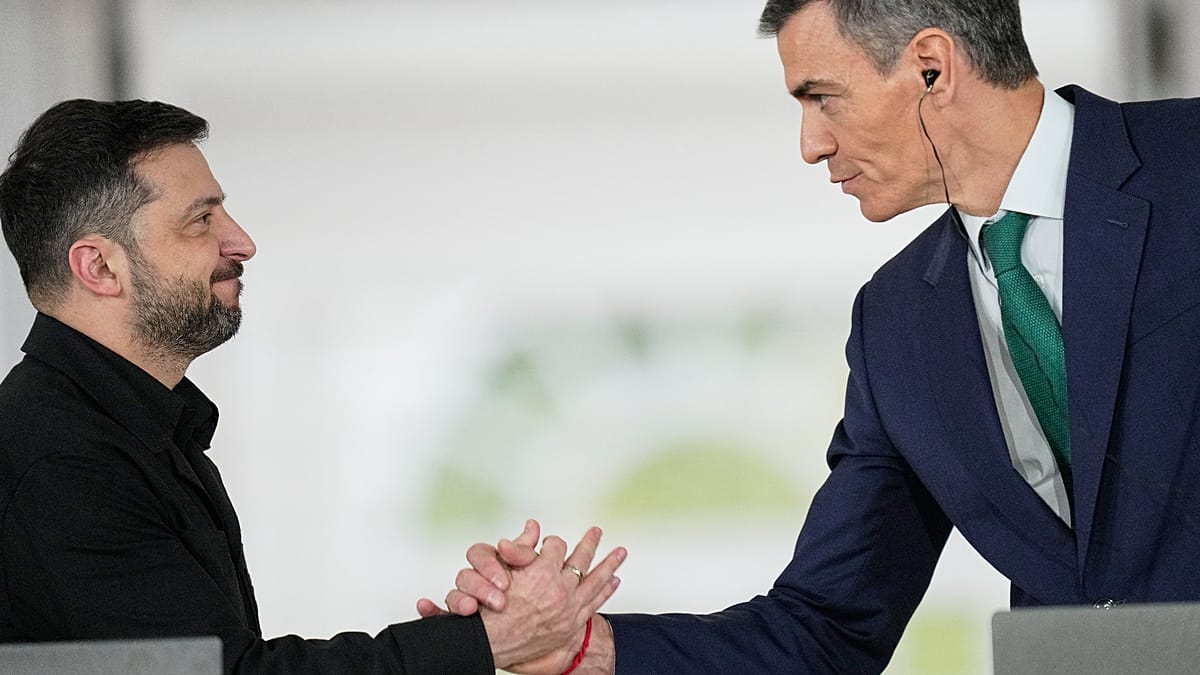
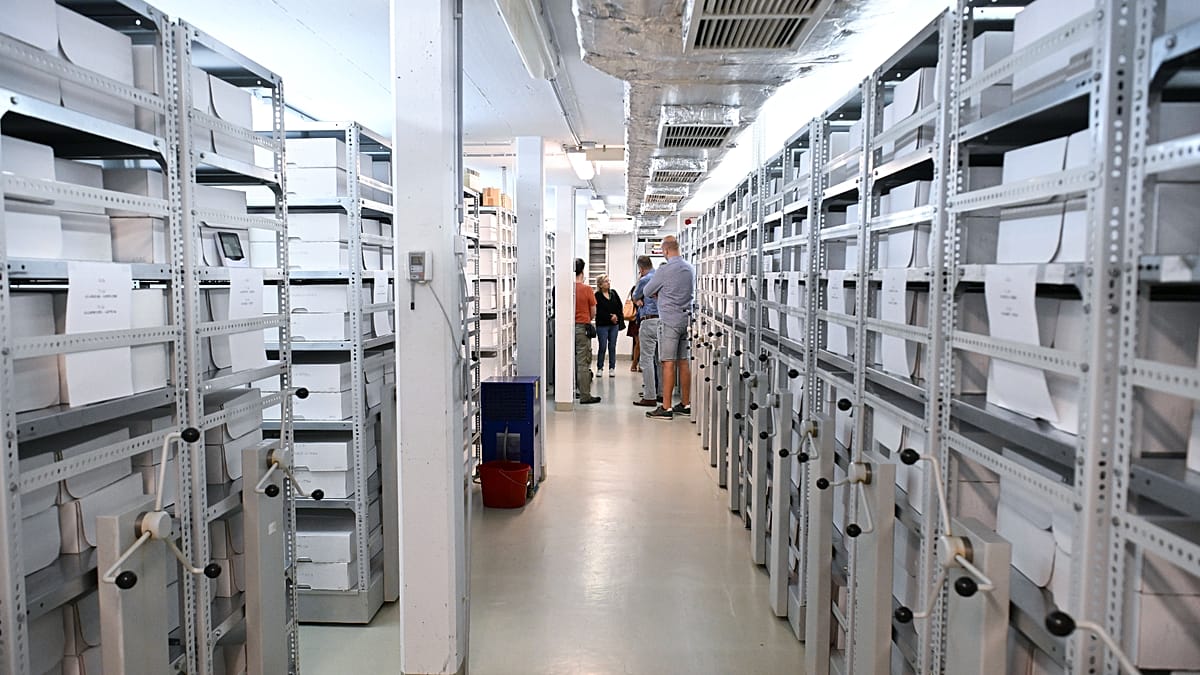
Prime Minister Péter Magyar, who pushed the legislation through parliament in September, described the release as the fulfillment of a key promise from the 1990 regime change. "After 36 years, we are finally fulfilling what was once one of the key promises of the 1990 regime change — a promise that was later denied and lied about," he told a media briefing at the state security archives in Budapest.
For decades, public access to these records was restricted, a situation that Magyar said allowed for "political hysteria, blackmail, the exertion of pressure, and silencing." The new law grants unrestricted access to four types of state security documents dating from before 1990.
What the files reveal
The released documents include the so-called "6 card" — the registration sheet for each network member, containing personal data, recruitment circumstances, and the duration of their collaboration. Also made public are a register of recruitments between 1957 and 1962, and a database of former agents' personal details and code names.
According to Bendegúz Gergő Cseh, director general of the Historical Archives of the Hungarian State Security (ÁBTL), the files cover a wide range of informants. "A large proportion were people who did not make their mark on national public life," he said, noting that many were ordinary citizens recruited under pressure to report on colleagues, friends, and even relatives.
The names of politicians, clergy members, and television personalities also appear in the registries. The public can now search the data online via a tool that filters by name, birth date, place of birth, and code name. A second batch of files, containing more detailed information on about 9,000 informants, is scheduled for release in February.
A painful reckoning
The release is a significant moment for Hungary, which has struggled with the legacy of its communist past since the transition in 1990. Previous attempts to open the archives repeatedly failed, with critics accusing successive governments of protecting public figures across the political spectrum.
In 2002, then-Prime Minister Péter Medgyessy was embroiled in a scandal after it emerged that he had worked as a secret agent during the communist era. That case prompted a 2003 law that allowed individuals who had been monitored to learn who had informed on them, but full public access remained elusive.
Historian László Eörsi of the 1956 Institute Foundation called the release "better late than never." He said, "We are getting access to much more information than before about who the authorities have recruited and how the security apparatus worked back then."
However, historians have cautioned against drawing hasty conclusions. Cseh stressed that the documents are not necessarily accurate in every detail and are certainly incomplete. Many records were lost during the 1956 uprising and the subsequent transition, and only about one-third of the estimated 150,000 agents who served under the Mátyás Rákosi and János Kádár regimes are identified in the archives.
Magyar acknowledged the emotional toll the revelations may take on families. "Following today's disclosure, a great many families will be confronted with information that is difficult for them to bear," he said, urging the public to treat the disclosures with "dignity and humanity." The government has set up hotlines offering emotional support and counselling for those affected.
The opening of the archives comes at a time of shifting political dynamics in Hungary, with Budapest seeking a reset in its relations with the EU and taking on a more prominent role in regional security discussions. The release is also seen as part of a broader effort to strengthen democratic institutions and transparency, aligning with recent anti-corruption measures.
As Hungary marks the 1956 uprising, the release of these files serves as a reminder of the country's complex history and the ongoing struggle to come to terms with it. The full impact of the disclosures will unfold in the coming months, as more documents become available and the public begins to process the information.