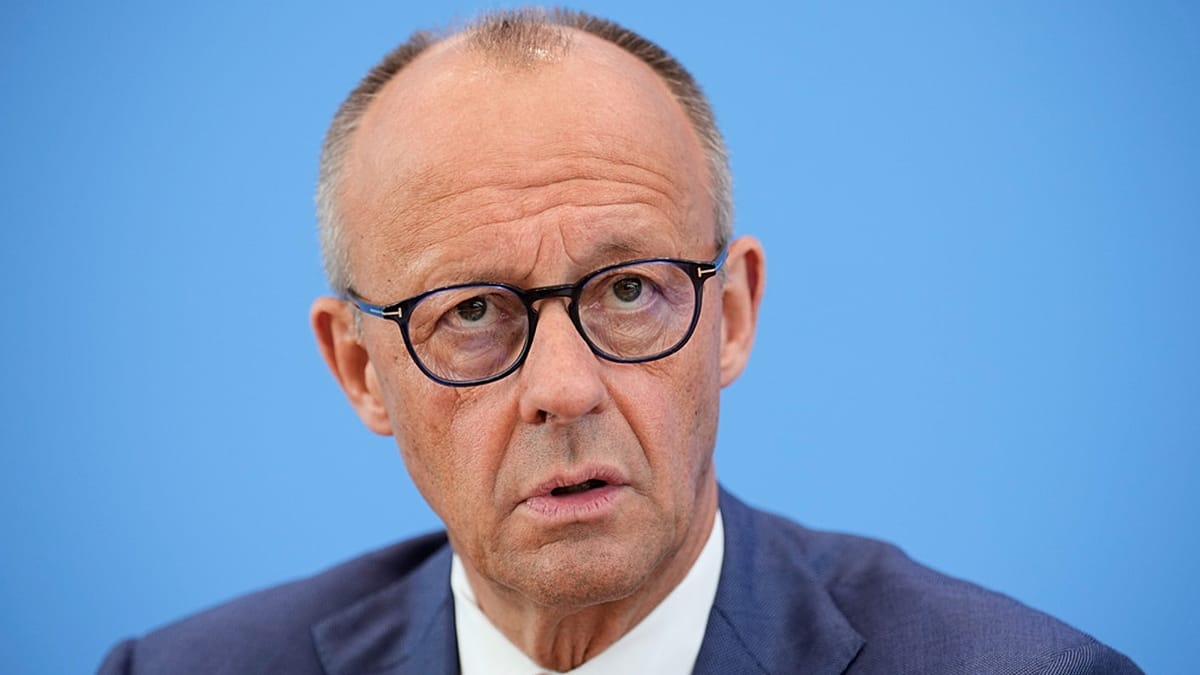
German Chancellor Friedrich Merz has suggested he is open to a government reshuffle following the resignation of Jens Spahn as leader of the CDU/CSU parliamentary group in the Bundestag. Speaking on ZDF's summer interview programme, Merz described his remarks as “hypothetical” but stressed the need to fill the vacancy by the end of July.
Spahn stepped down on Saturday after being asked to leave his post, following intense public scrutiny over his decision to become a father through surrogacy in the United States. The process, which can cost hundreds of thousands of euros, has reignited debate over Germany's restrictive surrogacy laws. Critics, particularly from the Green party and the political left, have accused Spahn of hypocrisy, noting that he has repeatedly opposed legalising surrogacy in Germany and has not supported broader family policy reforms.
Who Will Replace Spahn?
Chancellery Minister Thorsten Frei is widely considered the frontrunner to succeed Spahn as parliamentary leader. Merz declined to confirm whether Frei or any other candidate was under consideration. If Frei does take the role, Merz would need to appoint a new head of the Chancellery, a key position responsible for coordinating government policy and acting as one of the chancellor's closest aides.
The urgency to resolve the leadership gap is heightened by a series of important state elections scheduled for September in Saxony-Anhalt, Berlin, and Mecklenburg-Western Pomerania. The CDU faces tough contests in all three states. In Saxony-Anhalt, the far-right Alternative for Germany (AfD) is aiming to secure its first state premiership, with lead candidate Ulrich Siegmund. The regional branch of the AfD in Saxony-Anhalt has been classified by Germany's domestic intelligence agency as a confirmed far-right extremist organisation.
Merz acknowledged the backlash against Spahn had been greater than anticipated. “Over the course of yesterday it became overwhelmingly clear to me, and that is why we acted,” he told ZDF, adding that the criticism was “probably also related to him as a person and the way it was communicated.”
The controversy adds to mounting political pressure on Merz himself. According to the latest ARD-DeutschlandTrend poll, only 13% of Germans are satisfied with his performance as chancellor, while roughly five in six express dissatisfaction. The timing is particularly delicate, with the regional elections just two months away.
This internal CDU turmoil comes as Merz also navigates broader European challenges. He recently met French President Emmanuel Macron in Cologne to discuss Franco-German defence cooperation, a relationship that has faced strains over differing strategic priorities. Meanwhile, a recent survey indicated that over half of Germany's top earners are considering leaving the country, raising concerns about talent retention and economic competitiveness.
The CDU/CSU parliamentary group is expected to elect its new leader before the Bundestag's summer recess, with Merz pushing for a swift decision to stabilise the government and focus on the upcoming electoral battles.