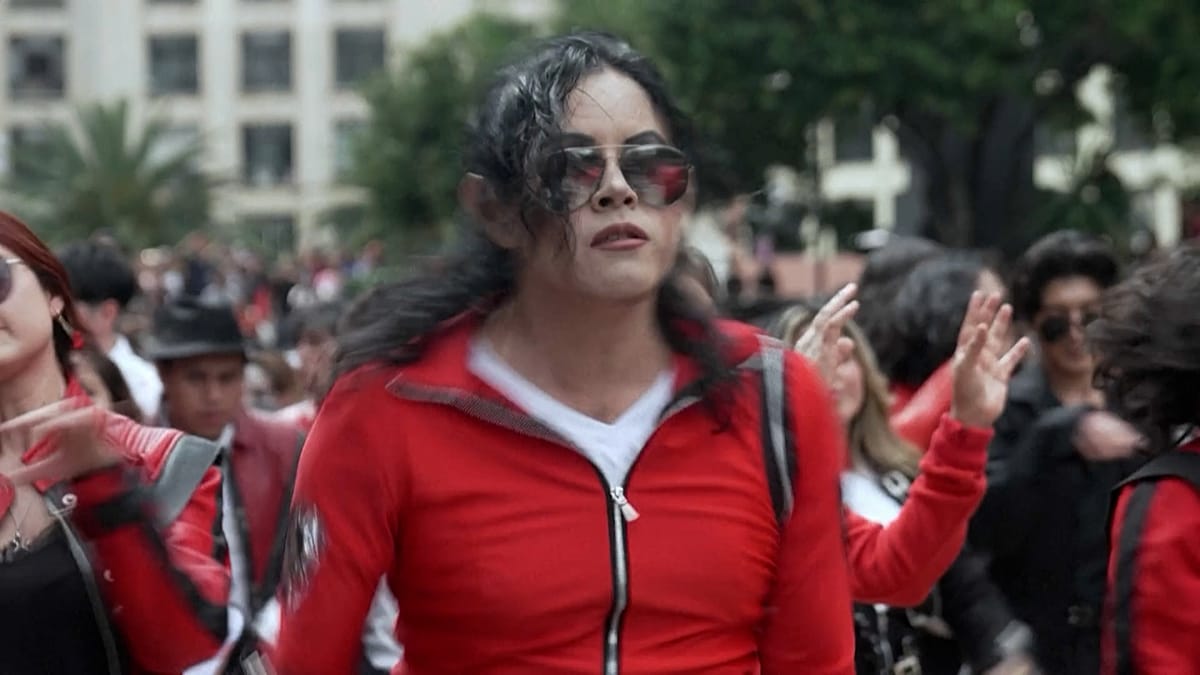
In the heart of Mexico City, hundreds of devoted fans gathered this weekend to celebrate what would have been Michael Jackson's 68th birthday. The occasion was marked not with speeches or solemn remembrance, but with a synchronized performance of the iconic zombie dance from his 1983 music video Thriller. The flash mob, organized by local fan clubs, transformed the Zócalo into a sea of red leather jackets and white gloves, a fitting tribute to a performer whose influence transcended continents.
Jackson's legacy has long been a global phenomenon, and Mexico is no exception. The event drew participants of all ages, from teenagers who discovered his music through streaming platforms to older fans who remember watching the original video premiere on television. "He was more than a musician; he was a cultural force," said María Fernanda López, a 34-year-old teacher who traveled from Guadalajara to take part. "His music brought people together, and today we're proving that still holds true."
A global celebration with a European echo
While the main festivities took place in Mexico, similar tributes have been held across Europe in recent years, from London's Covent Garden to Berlin's Alexanderplatz. The enduring appeal of Jackson's choreography has also found new life on social media, where viral dance challenges—such as the aura battles that started in Mexico—have introduced his moves to a younger audience. This cross-cultural exchange underscores how Jackson's artistry continues to inspire creative expression far beyond his native United States.
The event also served as a reminder of the deep connections between Latin America and Europe, where Jackson's albums consistently topped charts and his tours sold out stadiums from Madrid to Vienna. In France, the Élysée Palace once hosted a reception for the singer, and his influence on European pop music is undeniable. Even today, European artists frequently cite him as a primary influence, and his music remains a staple in clubs and radio stations across the continent.
Organizers in Mexico City hope to make the birthday tribute an annual tradition, and they are already in talks with fan groups in Paris and Amsterdam to coordinate a simultaneous event next year. "We want to create a global dance party," said Jorge Ramírez, one of the lead organizers. "Michael's message was about unity, and there's no better way to honor that than by dancing together, no matter where you are."
The Thriller dance itself has a storied history in Europe. In 2009, a record-breaking flash mob in London's Trafalgar Square drew thousands of participants, setting a Guinness World Record. That event, organized just months after Jackson's death, demonstrated the profound impact he had on British fans. Similar gatherings have since become a staple of European fan culture, with annual events in cities like Stockholm and Warsaw.
Beyond the spectacle, the tribute also highlighted the commercial and cultural staying power of Jackson's catalog. His estate continues to generate significant revenue from streaming, merchandise, and licensing deals, a testament to his enduring relevance. In Europe, where music streaming platforms are dominated by both local and international acts, Jackson's songs consistently rank among the most-played classics.
As the sun set over the Mexican capital, the crowd dispersed, but the music lingered. For those who participated, the event was more than a nostalgic trip; it was a celebration of a legacy that refuses to fade. And with plans already underway for next year's edition, it seems the King of Pop will continue to reign over dance floors worldwide, from Mexico City to the heart of Europe.