At the recent Milipol Qatar exhibition in Doha, around 280 companies from 33 countries gathered to display the latest in security and emergency response technology. The event highlighted how drones, robots, and artificial intelligence are being adapted for tasks that range from traffic management to locating missing persons.
Drones and robots in action
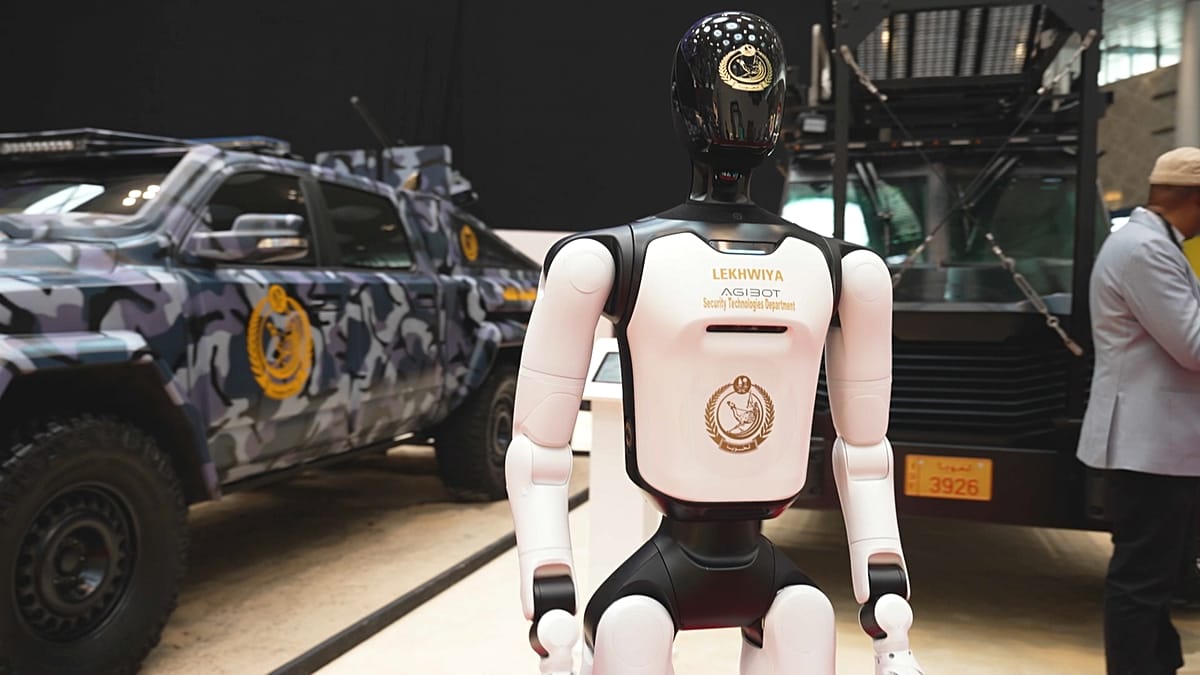
Among the exhibits was a drone equipped with traffic lights, designed to manage road flow in congested or hazardous areas. Another standout was a mobile command centre fitted inside a van, allowing authorities to coordinate operations on the move. A remotely operated robot also drew attention, capable of performing tasks in environments too dangerous for humans.
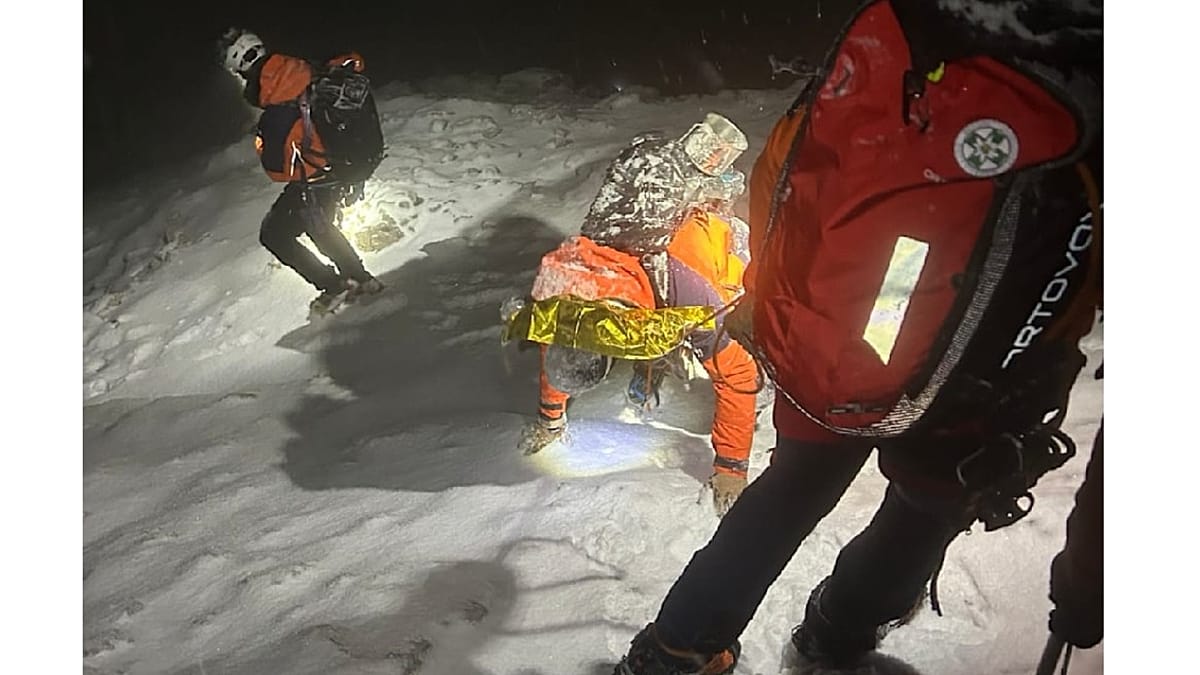
Exhibitors explained how aerial photography can assist in search-and-rescue missions, using high-resolution images to spot people in difficult terrain. Unmanned boats were also presented, able to carry out surveillance or emergency missions without a crew on board, reducing risk to personnel.
The human factor and AI oversight
Beyond the hardware, discussions at Milipol Qatar focused on the role of human operators and the necessary checks when deploying AI. While these systems can gather information and act autonomously, speakers stressed that human judgment remains essential, especially in high-stakes situations.
For European attendees, the event offered a glimpse into technologies that could soon be integrated into civil protection and security frameworks across the continent. The emphasis on remote operation and AI-assisted decision-making aligns with ongoing efforts in countries like Germany and France to modernise their emergency services.
As European cities face new challenges—from climate-related disasters to complex security threats—the innovations shown in Doha could inform future procurement and policy decisions. The growing economic-security ties between Germany and Japan reflect a broader trend of international cooperation in this field, which events like Milipol Qatar help to foster.
While the exhibition was held in Qatar, its implications reach far beyond the Gulf. European firms and agencies are increasingly looking to such platforms to test and refine technologies that may one day be deployed from the Baltic to the Mediterranean. The Qatari capital has become a hub for such exchanges, bridging markets and ideas.
However, the integration of these tools is not without debate. Privacy advocates and ethicists have raised concerns about surveillance and the potential for AI to make biased decisions. Exhibitors acknowledged these issues, emphasising the importance of transparency and accountability in system design.
For now, the demonstrations at Milipol Qatar underscore a clear trajectory: machines will increasingly assist—but not replace—human responders. As one industry representative put it, "the goal is to keep people out of harm's way, not to remove them from the equation."
European policymakers will be watching these developments closely, as they balance innovation with the need to protect citizens' rights. The public health response to new social challenges may seem unrelated, but it reflects a similar need for careful, evidence-based approaches to emerging technologies.
In the coming years, the lessons from Doha could shape how Europe equips its first responders and secures its borders. The tough responses demanded after safety failures in other sectors serve as a reminder that technology must be deployed responsibly.