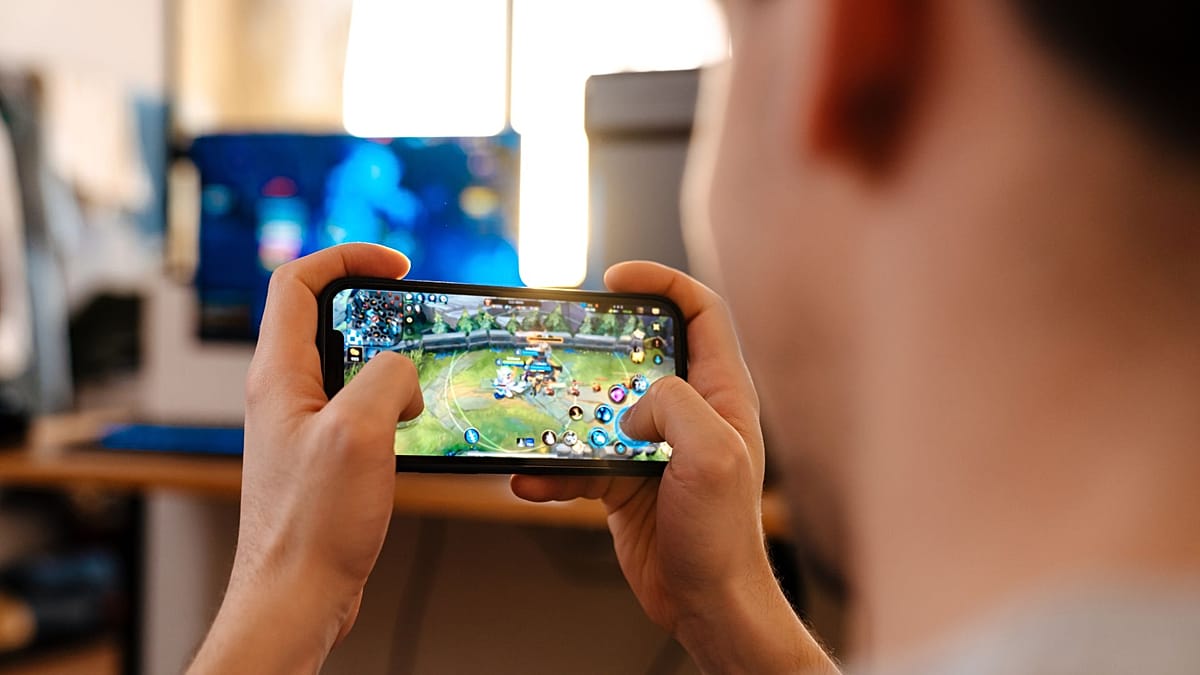
As smartphones become ever more embedded in daily life, a new study from Jordan suggests that excessive mobile gaming may be leaving a mark on young people's bodies. Researchers found that students who met the criteria for mobile gaming addiction reported significantly higher rates of pain in the neck, upper back, elbows, and wrists compared to their peers.
The study, conducted among 364 medical students at universities in Jordan, identified 34 individuals (about 9%) as addicted to mobile gaming. The findings, published in the journal PLOS One, reveal stark differences in musculoskeletal complaints.
Pain patterns among addicted gamers
Among those classified as addicted, 85.3% reported neck pain, versus 65% of non-addicted students. Upper-back pain was reported by 64.7% of addicted students, compared to 55% of others. The most striking gap appeared in elbow pain: 41.2% of addicted students experienced it, while only 12.5% of non-addicted students did. Wrist and hand pain was also more common, affecting 41.2% of addicted students versus 34% of others.
These figures translate into a more than threefold higher likelihood of neck pain and more than fourfold higher likelihood of elbow pain among addicted gamers. The authors note that such pain often interferes with daily activities, including studying and hobbies, and that some students sought medical attention for wrist, hand, hip, or knee issues.
The physical strain is not surprising given the ergonomics of prolonged phone use. Holding a device for extended periods involves sustained gripping, fixed arm and neck positions, and repetitive movements—all of which can stress muscles and joints.
"Gaming should not be viewed solely as a matter of screen time or psychological wellbeing," the researchers argue. "It has tangible physical consequences that deserve attention."
The study's authors call for greater awareness of digital health, ergonomic education, and posture training among students. They suggest that universities integrate guidance on taking breaks, positioning devices properly, and adopting healthy gaming habits into student health programmes, particularly for those who spend long hours studying or working on screens.
While the research was conducted in Jordan, its implications resonate across Europe, where mobile gaming is a popular pastime among young people. The findings echo broader concerns about the physical effects of digital lifestyles, a topic that has gained traction in countries like Germany, where Gamescom 2026 recently underscored the continent's growing gaming industry.
Experts note that the study's observational design cannot prove causation, but the association is strong enough to warrant preventive measures. "The message is simple: take breaks, stretch, and be mindful of your posture," says Dr. Anna Keller, an ergonomics specialist at the University of Vienna, who was not involved in the study. "Even small adjustments can reduce the risk of chronic pain."
For students and young professionals across Europe, the findings serve as a reminder that digital wellbeing extends beyond mental health. As extreme heat and other environmental factors gain attention in health research, the physical toll of technology use is an equally pressing issue.
The researchers hope their work will prompt universities to incorporate ergonomic training into orientation programmes and health services. They also recommend that gaming apps include reminders to take breaks, a feature that could benefit users worldwide.