Moroccan prosecutors have filed charges against 25 individuals in connection with the mass migrant crossings that overwhelmed the Spanish enclave of Ceuta in May. The charges, reported by the Moroccan news outlet Hespress, include organizing illegal border crossings, transporting passengers without a license, overcrowding vessels, overstaying visas, insulting and assaulting security forces, and deliberately damaging public property.
The legal action comes as the Moroccan government continues to push back against accusations that it deliberately relaxed border controls to pressure Spain and the European Union. On Monday, Rabat denied that it had yielded to "pressure or blackmail" during the crisis, which saw tens of thousands of migrants, many of them young Moroccans, swim or wade across the border into Ceuta. Moroccan officials also expressed "disappointment" at the reactions of several European leaders, accusing them of exploiting the migration crisis for domestic political gain.
Moroccan diplomatic sources, speaking to Spanish media, rejected claims that the country had eased border controls. They insisted that anyone attempting to cross the border "knows that they will be sent back and that Morocco will accept their return," a commitment they said Rabat had upheld "for years."
Meanwhile, the Moroccan Association for Human Rights (AMDH) said this week that authorities have prosecuted 52 people in the northeastern city of Nador over their alleged involvement in the crisis. According to an AMDH statement, 11 young people appeared before the Criminal Division of the Court of Appeal in Nador, while another 41 have been brought before the city's Court of First Instance.
The charges and prosecutions underscore the legal fallout from an event that laid bare the fragility of Europe's southern border. The surge into Ceuta, a Spanish territory on the African coast, triggered a diplomatic crisis between Madrid and Rabat, with Spain accusing Morocco of using migration as a political tool. Morocco, for its part, has pointed to longstanding disputes over Western Sahara and other issues as the root of its frustration.
European response and border security
The European Union has backed Spain, with EU leaders calling for a common approach to migration while also acknowledging the need to cooperate with Morocco. The bloc's support came as EU ministers sought a common response to the crisis, though divisions remain over how to share responsibility for asylum seekers and migrants.
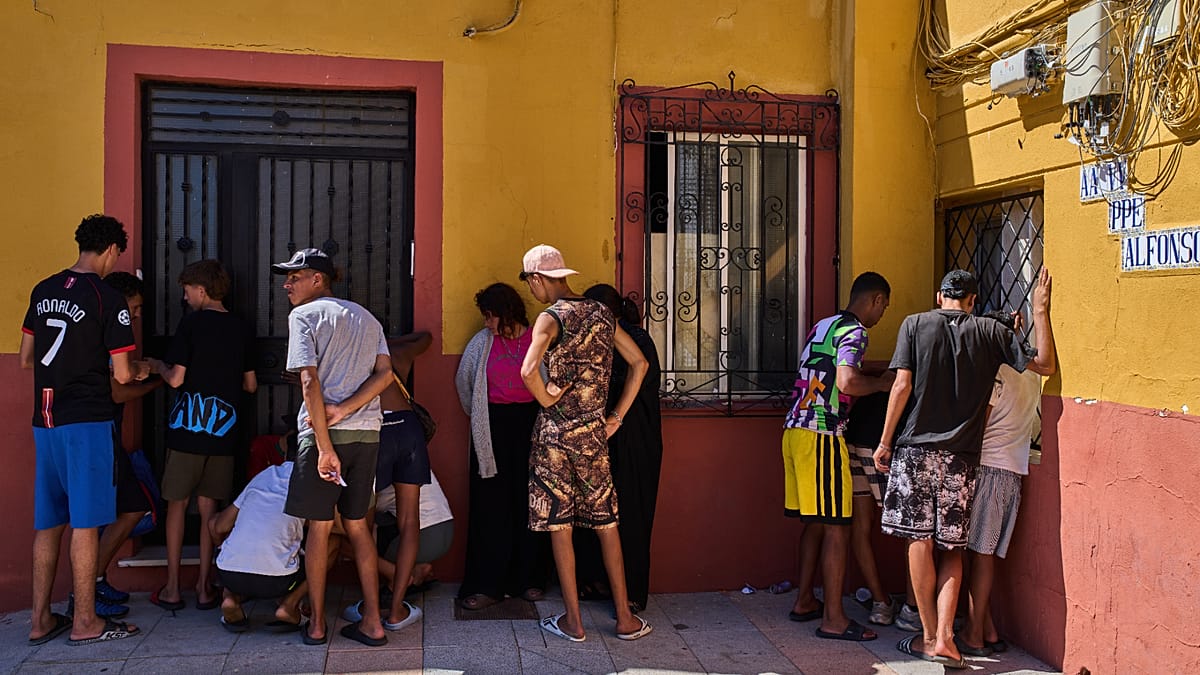
Spain has reported that the vast majority of the estimated 72,000 arrivals have been returned to Morocco, with over 70,000 sent back within days. However, thousands remain in Ceuta, including more than 860 unaccompanied minors, according to local authorities. The situation has strained the enclave's resources and sparked protests among residents, as Ceuta's protests exposed a rift in Spain's border policy.
The legal proceedings in Morocco are likely to be watched closely by human rights groups, which have raised concerns about the treatment of migrants and the lack of due process. The AMDH has criticized the prosecutions, arguing that many of those charged are minors or were simply seeking a better life. The organization has called for the charges to be dropped and for an independent investigation into the events.
For now, the crisis has subsided, but its political and legal reverberations continue. The charges against the 25 individuals are a reminder that the consequences of the Ceuta surge are far from over, both for the migrants involved and for the fragile relationship between Morocco and its European neighbors.