Since the original Mortal Kombat hit cinemas in 1995, the franchise has spawned five sequels and spin-offs, each one a testament to the enduring appeal of the video game series—and, arguably, to Hollywood's struggle to adapt it successfully. The 2021 live-action reboot was a step forward for fans, but it still fell short of breaking the so-called curse of video game adaptations. Now, Mortal Kombat II arrives, and while it offers some visceral thrills, it fails to deliver a coherent or satisfying experience.
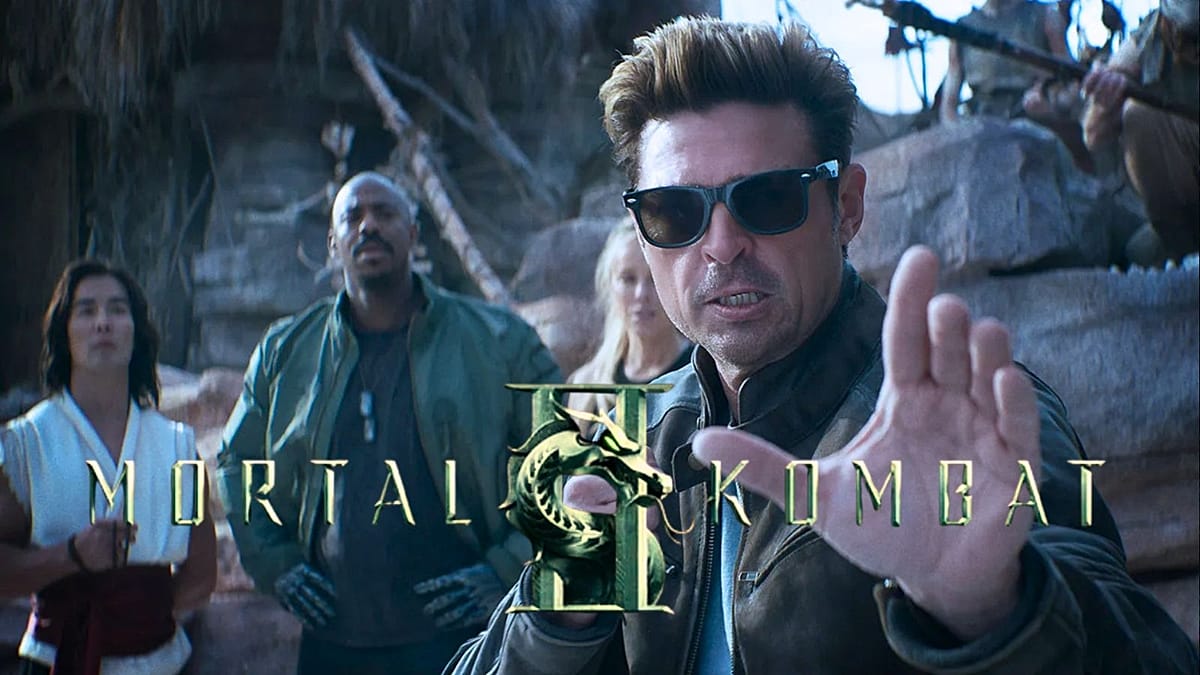
Directed by Simon McQuoid and written by Jeremy Slater, the film picks up where the 2021 reboot left off—a reboot that, oddly, omitted the actual fighting tournament that defines the game. This time, the focus shifts from Cole Young (Lewis Tan) to Kitana (Adeline Rudolph) and Johnny Cage (Karl Urban). Kitana is a princess of a mystical realm enslaved by the villainous Shao Kahn (Martyn Ford), while Cage is a washed-up action star whose foul-mouthed antics feel lifted straight from a Deadpool script. The plot revolves around Kahn's nine tournament victories against Earth's champions; a tenth win would mean the planet's doom. Along the way, a mystical amulet consumes an inordinate amount of screen time, dragging the narrative to a halt.
Gore and Gibberish
If your idea of a good time at the cinema is watching one-dimensional characters engage in hyper-violent combat, Mortal Kombat II delivers. The action sequences, though heavily edited, are impressively gory, featuring fireballs, razor-rimmed hats, and blue portals that produce creative fatalities. But the film's biggest flaw is its inability to balance wisecracking humor with R-rated brutality. The tonal whiplash makes it feel like a disposable crash-bang-wallop—exactly what one might expect from yet another Mortal Kombat movie.
Producer Todd Garner has already lashed out at early negative reviews, posting on X: “Some of these reviews are cracking me up. It’s clear they have never played the game and have no idea what the fans want or ANY of the rules/ canon of Mortal Kombat. One reviewer was mad that a guy ‘had a laser eye!’ Why the fuck do we still allow people that don’t have any love for the genre review these movies! Baffling.” He doubled down, insisting the film was “made for the fans.”
This defense is a tired trope. Critics, by and large, are fans themselves. If a filmmaker cannot handle criticism, they should either avoid reading reviews, develop thicker skin, or accept that putting a film into the world invites a plurality of opinions. Some critics will enjoy Mortal Kombat II; others will argue that if you want better reviews, you need to produce better movies.
For European audiences, the film's release comes at a time when the continent's cultural landscape is increasingly shaped by global franchises. Yet, the debate over what constitutes a successful adaptation resonates beyond Hollywood. In Europe, where film criticism often carries more weight than in the US, the tension between fan service and artistic merit is a familiar one. As new European studies challenge assumptions in other fields, perhaps it's time to challenge the assumption that 'made for fans' is a valid excuse for mediocrity.
Ultimately, Mortal Kombat II is a film that knows its audience but fails to elevate its source material. It's a flawed victory at best, and a reminder that even the most beloved games can't always survive the transition to the big screen.