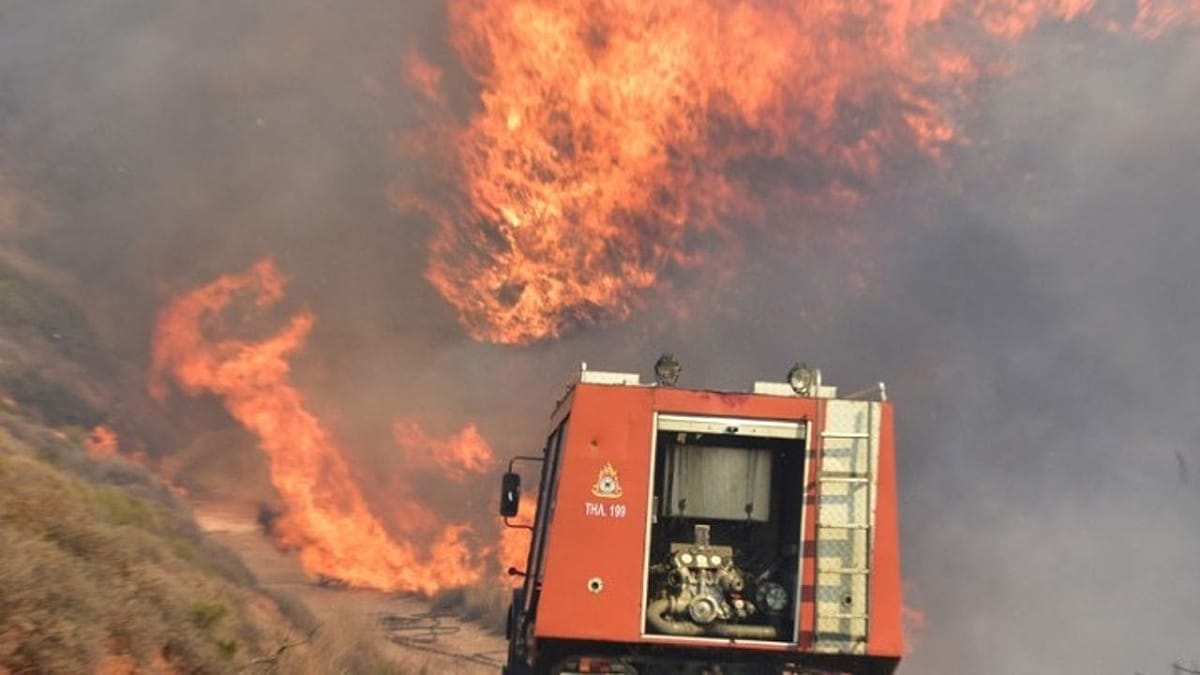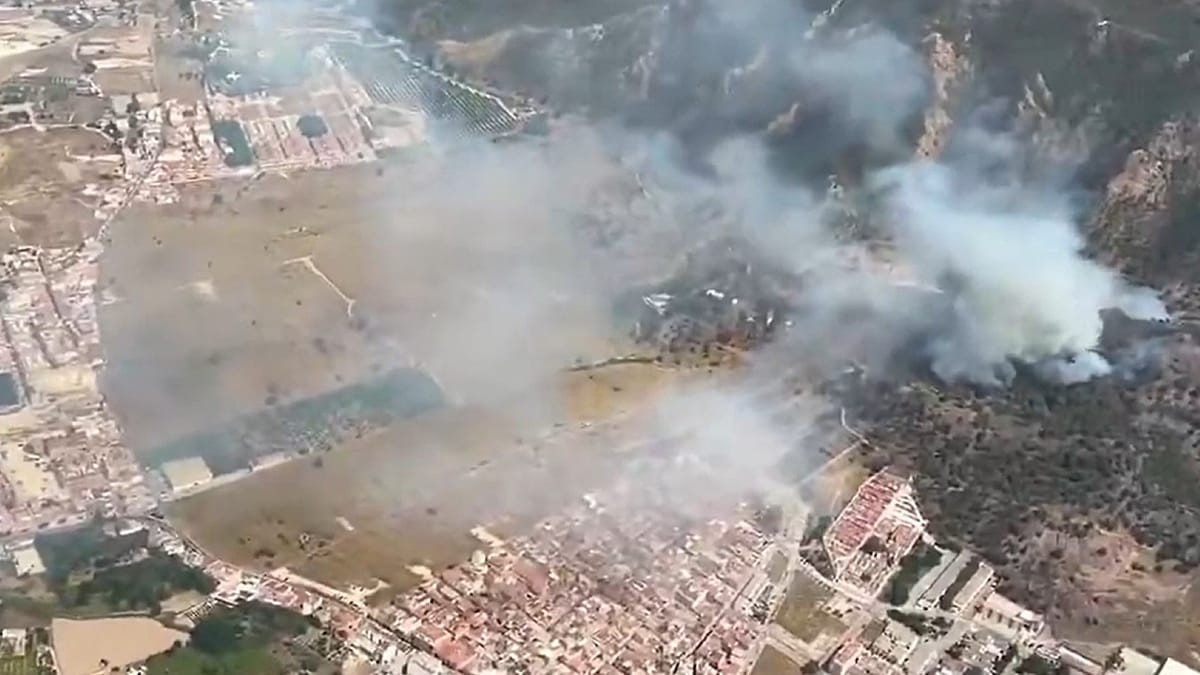
A wildfire that ignited in the Sierra de Espuña, a mountain range in the interior of Murcia province, has prompted the regional government to activate an emergency response and place Spain's Military Emergencies Unit (UME) on alert. The blaze, which began near Llano de las Cabras at 11:42 local time, has been fueled by strong winds that threaten to complicate containment efforts.
Fernando López Miras, the president of the Region of Murcia, confirmed that the UME contingent remains on standby for rapid intervention should conditions deteriorate. "We are prepared to deploy all necessary resources to protect lives and property," he stated, underscoring the gravity of the situation.
Francisco Lucas, the Spanish government's delegate in Murcia, announced that authorization for the UME deployment has been granted, with units already en route to the affected area. "Resources are on their way," Lucas said, while emphasizing the urgent need for enhanced institutional coordination. He called for the immediate involvement of the Emergency Coordination Centre to streamline efforts between regional and national bodies.
The fire mobilized firefighters from the Murcia Region Firefighting Consortium, dispatched from stations in Lorca and Alhama-Totana. Crews have been working since midday to contain the blaze, which remains active and has prompted the activation of the Special Civil Protection Plan for Forest Fires (Infomur Plan) at level 2. This level applies when there is a risk of serious impact on people or property, allowing authorities to request extraordinary resources and, if necessary, declare an emergency of national interest.
Coordination Challenges Amid Escalating Risk
The incident has reignited debates about the effectiveness of coordination between Murcia's regional government and Spain's central administration. López Miras and Lucas have exchanged messages highlighting the need for a more unified response framework, particularly as climate change increases the frequency and intensity of wildfires across the Mediterranean. The Sierra de Espuña, a protected natural park known for its biodiversity, is a critical ecological zone that underscores the stakes of such disasters.
This is not an isolated event. Across Europe, wildfire seasons are lengthening and intensifying, with southern member states like Spain, Portugal, and Greece facing recurring threats. The deployment of the UME, a specialized military unit trained for emergency response, reflects the severity of the situation. However, critics argue that reliance on military resources should not substitute for proactive prevention and robust civil protection mechanisms.
The Infomur Plan's level 2 activation allows for the integration of national resources, including aerial firefighting assets and additional ground crews. If the fire escalates further, the Spanish government could declare an emergency of national interest, triggering broader EU solidarity mechanisms under the Union Civil Protection Mechanism. Such steps have been used in past crises, such as the 2023 fires in Greece and Portugal, where EU support was mobilized.
For now, the focus remains on containment. Firefighters are battling the blaze in challenging terrain, with wind gusts complicating aerial operations. Local residents in nearby communities have been advised to remain vigilant, though no evacuations have been ordered yet. The regional government has urged the public to avoid the area and follow official updates.
The broader implications for European disaster management are clear. As climate-related emergencies become more common, the need for seamless coordination between regional, national, and EU-level authorities is paramount. The Murcia wildfire serves as a reminder that even within a single member state, institutional silos can hinder effective response. Calls for reform, including standardized protocols and shared data platforms, are likely to gain traction in Brussels and Madrid alike.