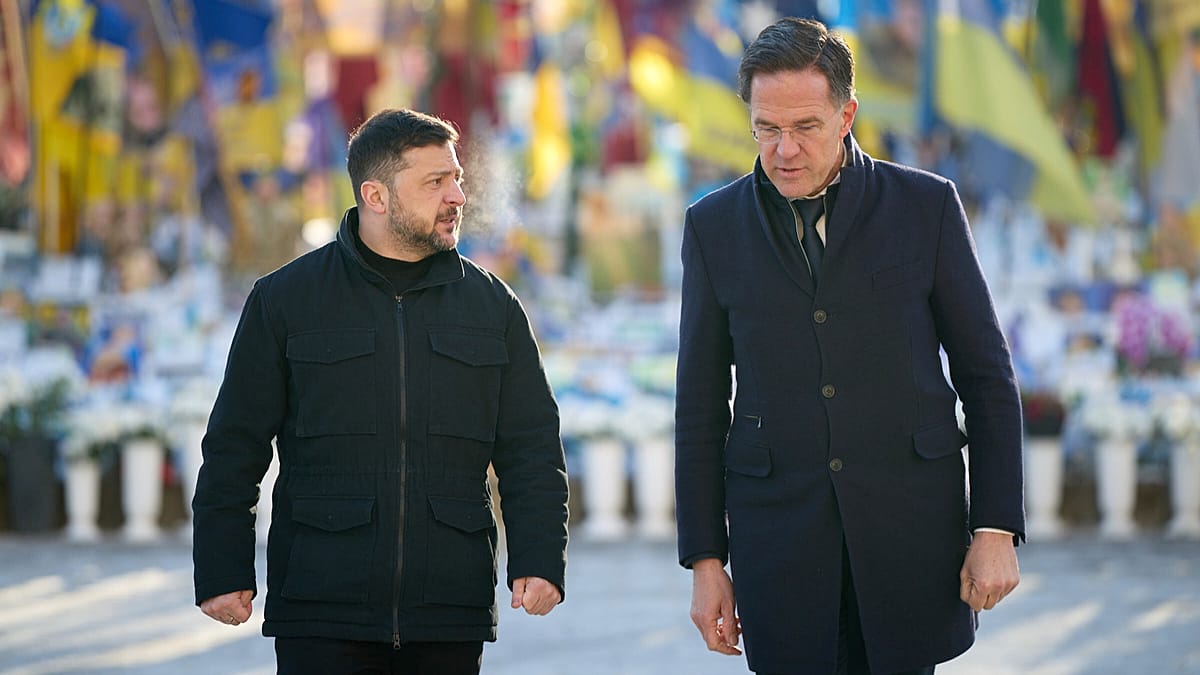
NATO Secretary General Mark Rutte arrived in Kyiv on Wednesday for an unannounced visit, a move underscoring the alliance's continued solidarity with Ukraine amid intensifying Russian attacks. The visit was first disclosed by Ukraine's national railway operator, Ukrzaliznytsia, in a now-deleted social media post that included images of Rutte on the platform at Kyiv's central station.
"Today at the Kyiv railway station, we are gladly welcoming NATO Secretary General Mark Rutte," the operator wrote, adding that the visit was "extremely important" as a gesture of solidarity and support from the alliance. The post was later removed, likely due to security protocols surrounding the unannounced nature of the trip.
Zelenskyy Seeks Urgent Air Defense Support
Ukrainian President Volodymyr Zelenskyy is expected to meet with Rutte during the visit. Zelenskyy has been pressing NATO members for assistance in protecting Ukraine from Russian ballistic missile attacks, which have intensified in recent weeks. On Tuesday, Russian missile and drone strikes killed 23 people in Kyiv and the eastern city of Dnipro, according to Ukrainian officials.
The visit comes as Ukraine continues to face a barrage of long-range strikes. In response, Ukrainian forces have targeted Russian energy and military infrastructure, including a drone attack on sites in Saint Petersburg, where officials and dignitaries were gathering for a flagship economic forum.
Rutte's trip to Kyiv is his first as NATO chief since taking office in October 2024. The former Dutch prime minister has been a vocal supporter of Ukraine's defense efforts, advocating for increased military aid and faster delivery of air defense systems. The visit signals NATO's ongoing commitment to Ukraine's security, even as political dynamics shift within the alliance.
The timing is particularly sensitive, as Ukraine faces a critical shortage of air defense munitions. Zelenskyy has repeatedly called for more Patriot systems and other interceptors to counter Russian ballistic missiles, which are difficult to shoot down with existing Ukrainian equipment. The issue is expected to be a key topic in Rutte's discussions with Ukrainian leaders.
Rutte's unannounced arrival also highlights the security challenges of high-profile visits to a country at war. Kyiv has been a frequent destination for Western leaders, but such trips are often kept secret until the last moment to minimize risks. The railway operator's initial post, while quickly deleted, inadvertently confirmed the visit before official announcements.
The visit comes amid broader European efforts to bolster Ukraine's defenses. Several NATO member states have pledged additional military aid, including air defense systems, artillery shells, and training for Ukrainian troops. However, delays in deliveries and political disagreements within the alliance have hampered progress.
Rutte's presence in Kyiv is also a reminder of the alliance's role in deterring further Russian aggression. While NATO has avoided direct involvement in the conflict, its support for Ukraine has been crucial in sustaining the country's defense capabilities. The visit is likely to include discussions on long-term security guarantees for Ukraine, a topic that has gained traction among some member states.
As the war enters its third year, the human toll continues to mount. The recent attacks on Kyiv and Dnipro have underscored the urgent need for effective air defense. Rutte's visit, while symbolic, carries practical implications for Ukraine's ability to protect its cities and infrastructure.



