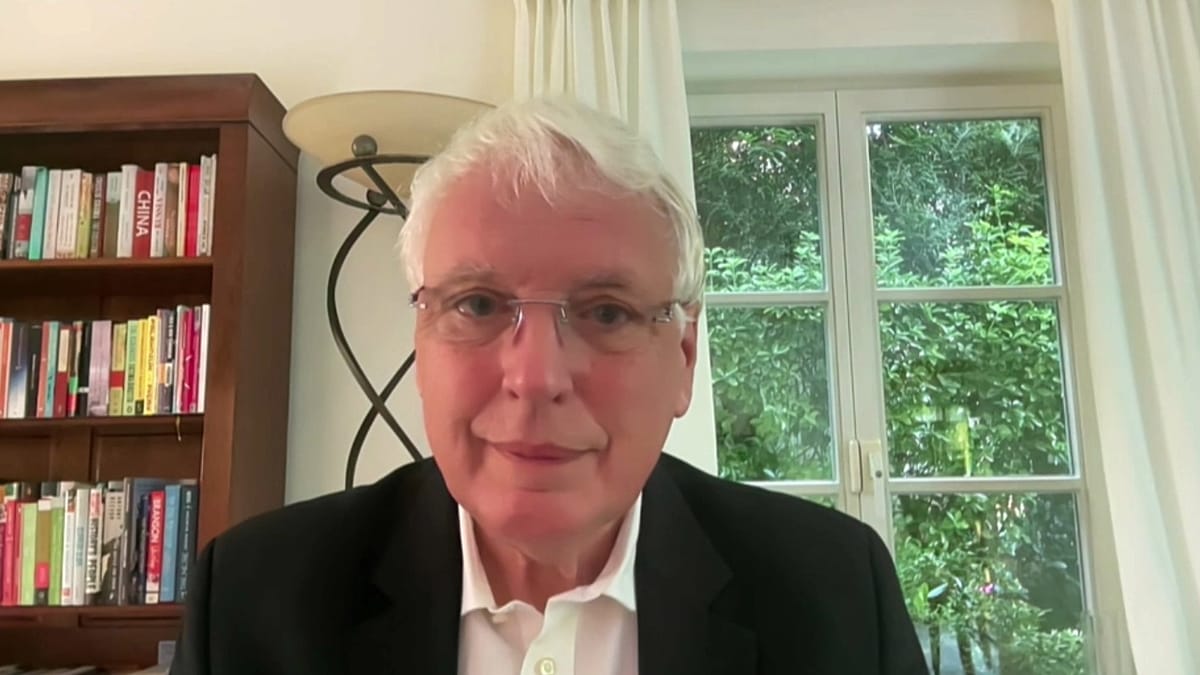
The recent NATO summit in Ankara concluded with a more optimistic tone than many had feared, according to Jamie Shea, a former senior NATO official who served as deputy assistant secretary general for emerging security challenges. In an interview following the meeting, Shea described the outcome as a relief, given the high tensions that preceded the gathering.
Shea characterised the summit as a turning point for the alliance, suggesting that the era of NATO 2.0—dominated by US leadership and Cold War-era commitments—is giving way to what he calls NATO 3.0. This new phase, he argued, will be defined by a significantly larger European contribution to collective defence. 'NATO 3.0 is going to be much more a European show and less an American show than it used to be,' Shea said.
The former advisor pointed to the United States' shifting priorities as a key driver of this change. According to Shea, Washington 'is going to do a lot less in terms of holding up the collective defence than allies were used to during the Cold War.' This assessment aligns with recent signals from the Trump administration, which has pressed European members to increase their defence spending and take on more operational responsibility.
European Allies Step Up
Several European leaders used the summit to announce new defence commitments. German Chancellor Olaf Scholz confirmed that Berlin would meet the 2% GDP spending target this year, while French President Emmanuel Macron outlined plans for a European rapid reaction force. The UK, represented by Prime Minister Keir Starmer, also pledged additional troops to NATO's eastern flank. These moves reflect a broader trend: European nations are gradually assuming a larger share of the alliance's burden, a shift that has been accelerated by the war in Ukraine and the uncertainty surrounding US commitments.
Shea noted that the summit's positive outcome was not guaranteed. Early sessions were marked by sharp exchanges over trade tariffs and the US demand that allies spend more. However, by the final day, a more conciliatory tone prevailed. Trump struck a conciliatory tone at the NATO summit after early tensions, which helped ease fears of a breakdown in transatlantic relations.
The summit also addressed broader strategic challenges. Discussions on Iran's nuclear programme and the situation in the Western Balkans were overshadowed by the US president's renewed focus on Greenland, a topic that stirred controversy among allies. The NATO summit in Ankara saw Trump revive the Greenland claim, stirring tensions with allies, but the issue was ultimately sidelined in favour of more pressing defence matters.
For European capitals, the message from Ankara is clear: the continent must prepare for a future where it bears greater responsibility for its own security. Shea's assessment suggests that while the transition may be uncomfortable, the summit has provided a roadmap for a more balanced alliance. 'Europeans are waking up to the reality that they cannot rely on the US indefinitely,' he said. 'The summit showed that they are ready to take on that challenge.'
The next test will come in the months ahead, as NATO members work to implement the pledges made in Ankara. With defence budgets rising and new capabilities being developed, the alliance appears to be entering a new chapter—one that is, for now, more hopeful than many had anticipated.