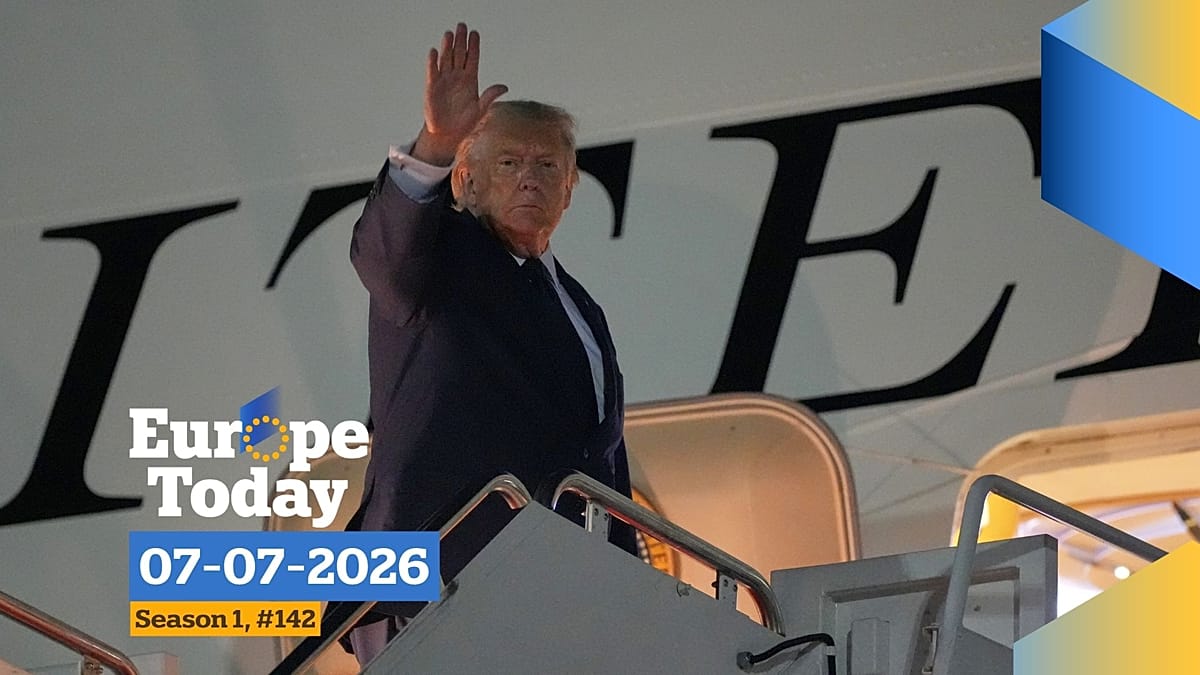
NATO leaders have convened in Ankara for a two-day summit, with the alliance's future spending commitments dominating the agenda. The meeting comes as US President Donald Trump intensifies calls for European members to meet the 2% of GDP defence investment target, a longstanding point of transatlantic friction.
Our correspondent Shona Murray reports from the Turkish capital, where the atmosphere is tense. Many European allies, particularly those in Central and Eastern Europe, have increased their military budgets in recent years, but the gap with US expectations remains wide. Dutch Defence Minister Dilan Yeşilgöz-Zegerius, interviewed on the sidelines, stressed that the Netherlands has already raised its defence spending to 1.95% of GDP and is committed to reaching 2% by 2025. 'We take our obligations seriously,' she said, 'but we also need to ensure that spending is efficient and focused on NATO's strategic priorities.'
Le Pen's Judicial Crossroads
In a separate but equally consequential development for European politics, a Paris appeals court is set to rule on Marine Le Pen's appeal against her embezzlement conviction. The far-right leader was found guilty in 2023 of misusing European Parliament funds to pay party staff, a verdict that carries a five-year ban from holding public office. If the court upholds the conviction, Le Pen would be barred from running in next year's French presidential election, a scenario that could reshape the race and boost her rival, Jordan Bardella. Our Paris correspondent Maria de la Baume reports that the ruling is expected later today, with both Le Pen's supporters and opponents closely watching the outcome. The case has broader implications for the integrity of EU institutions and the rule of law across the continent.
Meanwhile, the logistical complexities of organising a European summit are often underestimated. As Jakub Janas explains, coordinating the schedules of 27 EU leaders plus NATO partners, securing venues, and managing security protocols requires months of planning. Ankara's selection as host reflects Turkey's strategic role as a NATO member bridging Europe and the Middle East, but the city's infrastructure has been tested by the influx of delegations and media.
On the economic front, the European Stability Mechanism's Chief Economist Rolf Strauch spoke with our Méabh Mc Mahon about the eurozone's outlook. Strauch noted that while inflation has moderated, growth remains sluggish, and member states must pursue fiscal consolidation without stifling recovery. 'The European economy is resilient, but we cannot afford complacency,' he warned, pointing to geopolitical risks and the need for structural reforms.
In sports, the FIFA World Cup continues to captivate European audiences. Spain and Belgium both advanced to the next round and will face each other on Friday in a highly anticipated match. The tournament has also been touched by controversy: the EU has called for fair play after Trump's intervention reversed a FIFA ban on a US striker, raising questions about political influence in international sports governance.
For viewers, Europe Today airs live from Ankara and across our platforms, providing comprehensive coverage of the summit and other key stories shaping the continent. Tune in for expert analysis and on-the-ground reporting.