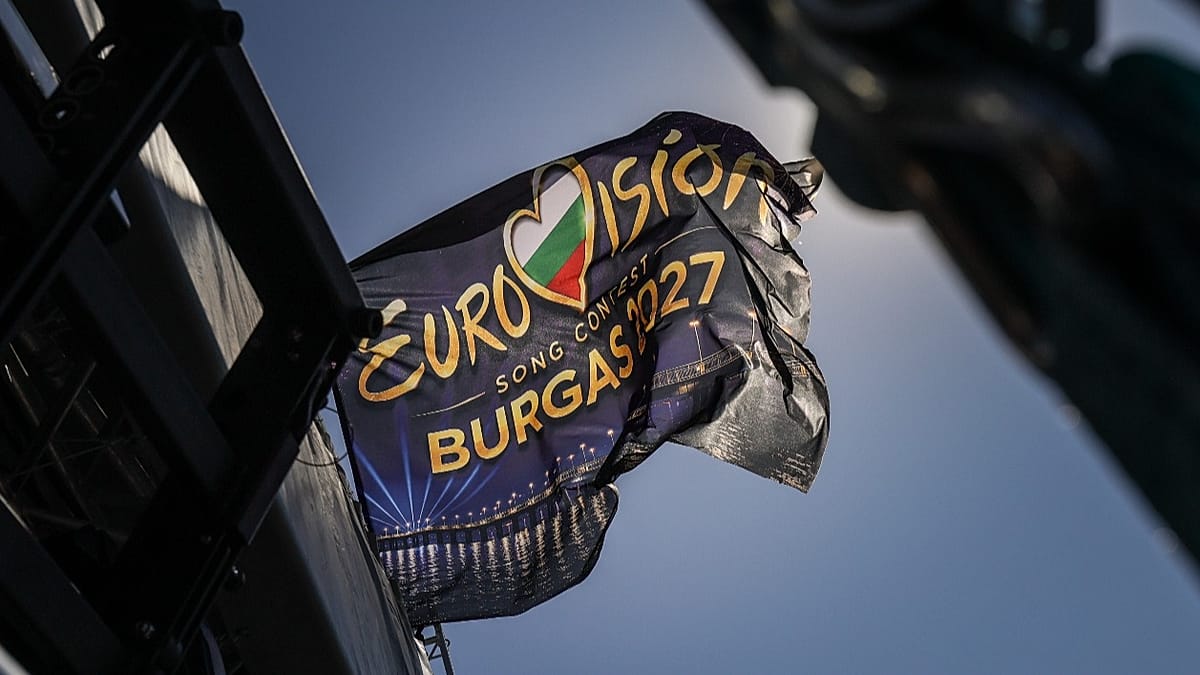
The Netherlands has officially withdrawn from the 2027 Eurovision Song Contest, marking a dramatic reversal of its earlier decision to participate. The Dutch public broadcasting umbrella organization NPO announced the move on Tuesday, citing the ongoing controversy over Israel's inclusion in the competition.
Just months after AVROTROS, the Dutch broadcaster traditionally responsible for the country's entry, declared it would sit out the contest due to Israel's presence, NPO had signaled a return. That about-face sparked immediate backlash, with around 400 NPO employees signing a letter urging the organization to reconsider. Now, NPO has heeded those concerns, concluding that the atmosphere is not yet conducive to Dutch participation.
In a statement, NPO director Jet de Ranitz explained that the organization had sought a broadcaster willing to facilitate a Dutch entry but ultimately found insufficient support. "In our coordinating role, we held discussions with the broadcasters to investigate whether there are any broadcasters willing to facilitate the participation of a Dutch artist. In those discussions, we initially felt there was sufficient support to return," she said. "As a result, we must conclude that it is currently too early to participate in the Eurovision Song Contest in 2027. Due to the sensitivities surrounding the themes currently at play, we have decided to take a step back for the time being."
Despite the withdrawal, NPO will still broadcast the contest, ensuring Dutch audiences can follow the event. The decision aligns the Netherlands with a growing list of countries that have opted out of the 2027 edition, including Ireland and the Czech Republic, the latter citing budget cuts rather than political reasons.
Eurovision's widening rift
The controversy stems from the European Broadcasting Union's (EBU) decision to allow Israel to compete despite its military operations in Gaza and the West Bank. Last year, five countries—Spain, the Netherlands, Ireland, Iceland, and Slovenia—boycotted the contest over this issue. Their absence contributed to a significant drop in viewership, with the 2026 edition drawing 131 million viewers, down 35 million from the previous year.
Spanish broadcaster RTVE, which has been vocal in its criticism, said at the time that the EBU's decision "increases RTVE's distrust of the festival's organisation and confirms the political pressure surrounding it." Irish broadcaster RTÉ echoed that sentiment, stating that participation "remains unconscionable given the appalling loss of lives in Gaza and the humanitarian crisis there." Slovenian broadcaster RTVSLO went further, saying it was withdrawing "on behalf of the 20,000 children who died in Gaza."
Eurovision director Martin Green expressed regret over the Dutch decision but acknowledged the depth of feeling behind it. "We recognise that opinions about the Contest are deeply and sincerely held at the moment, and that they differ widely, both within countries and between them. We do not dismiss any of those views," he said. "At the same time, we believe the Eurovision Song Contest matters in a divided world. It is one of the few moments each year when people from across Europe and beyond come together around music, creativity and shared experience."
Green added that the EBU respects NPO's choice and looks forward to welcoming a Dutch entry "whenever NPO, its members and audiences feel the time is right."
The Dutch withdrawal is the latest blow to a contest that has increasingly become a flashpoint for political tensions. While the EBU maintains that Eurovision is a non-political event, the ongoing debate over Israel's participation has made that stance increasingly untenable. The decision by NPO, a major public broadcaster, could embolden other countries to follow suit, further fragmenting the event's traditional pan-European appeal.
For now, the Netherlands joins a growing boycott movement, leaving Eurovision 2027 with a reduced field and a cloud of uncertainty. As the contest grapples with its identity, the question remains whether it can reconcile its founding ideals of unity with the harsh realities of geopolitical conflict.