Neurological conditions affected more than 3 billion people globally in 2021, according to a 2024 study in The Lancet. These disorders—ranging from epilepsy and Alzheimer's to Parkinson's and dementia—are now the leading cause of illness and disability worldwide, imposing a projected $16 trillion economic burden between 2010 and 2030 due to early onset and lost productivity.
In response, companies across the globe are investing in neurotechnology. While Elon Musk's Neuralink has grabbed headlines with its brain implants, Europe has quietly built its own powerhouse: Neuroelectrics, co-founded in 2011 by Ana Maiques and Giulio Ruffini in Barcelona. The firm has expanded from its Spanish roots to the United States, becoming an international leader in non-invasive brain technology.
Maiques' Vision: Beyond Enhancement
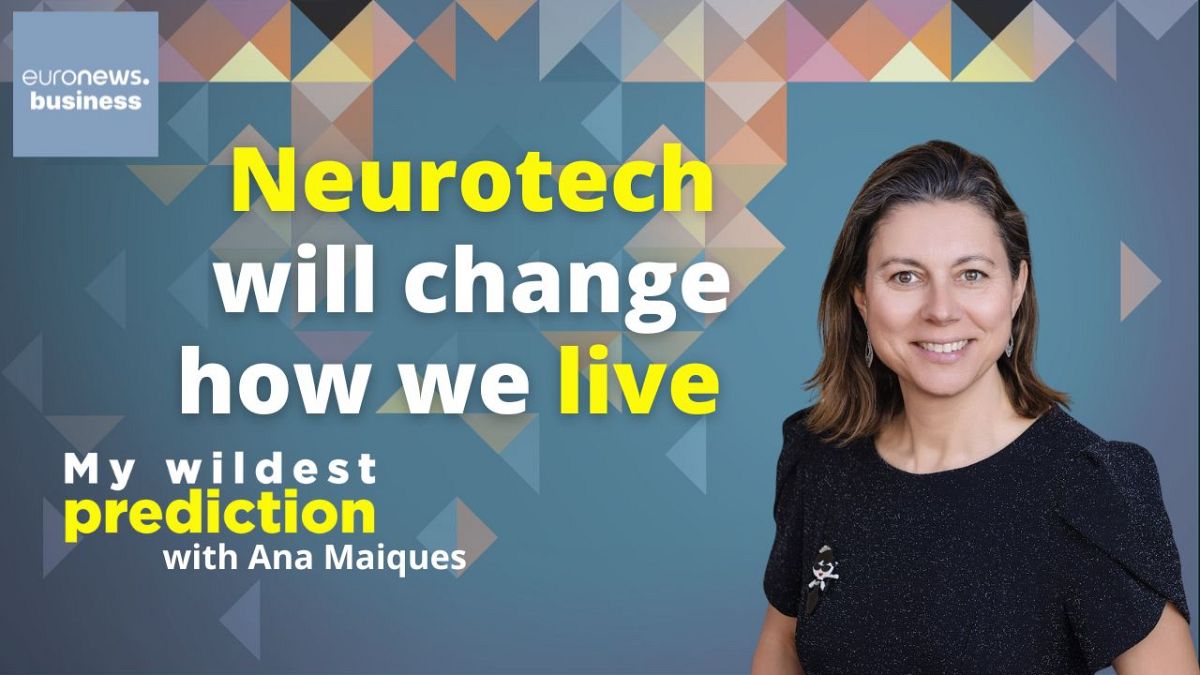
In an episode of the podcast My Wildest Prediction, Maiques shared her boldest forecast: “Neurotechnology is going to impact our daily lives in ways we cannot even imagine.” She clarified that these tools should not be used to boost intelligence or reverse ageing. Instead, they will treat medical conditions, broaden human experience of reality, and deepen our understanding of the brain.
Maiques cited collaborations that illustrate this potential. “We have a paper written with Refik Anadol where we monitored the impact on the visitors’ brains of his AI-generated sculptures. Now, we are talking with Michelin-star chefs who want to study the impact of food on the brain from a scientific perspective,” she explained.
She acknowledged public fears about using electricity on the brain, attributing them to a lack of understanding of the technology's positive impact. As new European studies challenge assumptions in other fields, Maiques sees a similar need for evidence-based acceptance in neurotech.
Non-Invasive Innovation
Unlike Neuralink's invasive implants, Neuroelectrics takes a non-invasive approach. Its flagship product, the Neoprane Headcap, uses electrodes connected to a wireless module to monitor brain activity and deliver electrical stimulation. This tool aids diagnosis of sleep disorders, epilepsy, and other neurological conditions, especially in hospitals lacking EEG equipment or technicians.
The company has long integrated machine learning and AI into its development. “There is no way we can, as humans, decode the brain without the help of these kinds of tools,” Maiques said. She noted that AI advances could eventually enable brain modelling, raising profound ethical and scientific questions.
As Europe grapples with challenges like synthetic drugs straining health systems, neurotechnology offers a contrasting frontier of therapeutic promise. Maiques' prediction positions Europe—and Barcelona in particular—as a hub for innovation that could reshape medicine, art, and even gastronomy.



