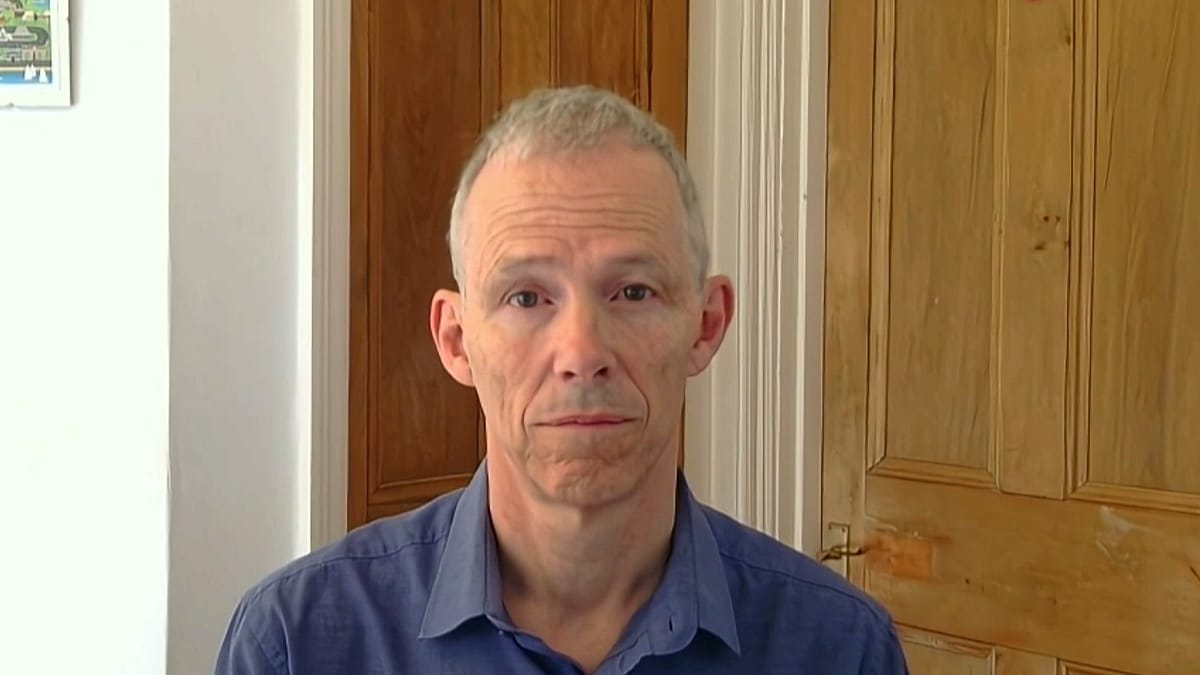
New UK Prime Minister Andy Burnham is expected to continue the cautious approach to European Union relations set by his predecessor Keir Starmer, according to Tim Bale, professor of politics at Queen Mary University of London. In an analysis published this week, Bale argued that Burnham will maintain the current trajectory of "moving towards closer EU ties" while stopping short of any significant structural changes.
Continuity Over Radical Change
Bale noted that Burnham, who took office after Starmer's resignation, is unlikely to pursue full membership of the single market or customs union. "He will keep the policy of not really making a big move on the single market or the customs union," Bale said. This suggests a pragmatic approach that seeks to improve bilateral relations without reopening the fundamental terms of the UK's departure from the bloc.
The assessment comes as the UK and EU continue to navigate the post-Brexit landscape, with trade frictions and regulatory divergence still unresolved. Burnham, a former mayor of Greater Manchester, has previously expressed support for closer cooperation on issues like security and climate change, but has been careful not to alienate eurosceptic factions within his own Labour Party.
Bale's comments echo the broader consensus among political analysts that the UK's relationship with the EU will remain in a state of managed tension. The Brexit at 10: The Divorce That Still Defines Britain's Politics and Economy has left deep scars, and any attempt to reverse course could trigger a political backlash.
European Context
The UK's stance is being watched closely in Brussels and across European capitals. The EU has its own priorities, including pursuing closer ties with Turkey amid a shifting geopolitical landscape, and may not prioritize a deeper renegotiation with London. Meanwhile, other member states like France and Germany are focused on internal challenges, from the Élysée's domestic reforms to the Bundestag's debates on fiscal policy.
Bale's analysis suggests that Burnham's government will seek incremental gains—such as mutual recognition of professional qualifications or streamlined customs procedures—rather than a grand bargain. This approach may satisfy neither ardent Remainers nor hardline Brexiteers, but could prove politically sustainable in the short term.
The professor also highlighted the role of public opinion, which has shifted slightly in favor of closer ties since the 2016 referendum, but remains divided. "The British public is not clamoring for a return to the EU," Bale said, "but there is a growing recognition that the current arrangement is suboptimal."
As the UK enters a new political chapter, the path forward on Europe will likely be one of cautious diplomacy rather than bold leaps. For now, the continent watches and waits.