The 2026 Nobel Prize season officially gets underway today, 5 October, with the announcement of the Nobel Prize in Physiology or Medicine at the Karolinska Institute in Stockholm. The laureates will be revealed no earlier than 11:10 CEST, and as always, the committee has kept the nominees under strict secrecy until the final moment.
Last year's prize was shared by two US-based scientists, Mary E. Brunkow and Fred Ramsdell, and their Japanese colleague Shimon Sakaguchi, for their work on peripheral immune tolerance. The Karolinska Institute praised their discoveries for preventing the immune system from attacking the body's own tissues, a breakthrough that has deepened understanding of autoimmune diseases such as Type 1 diabetes, rheumatoid arthritis, and lupus.
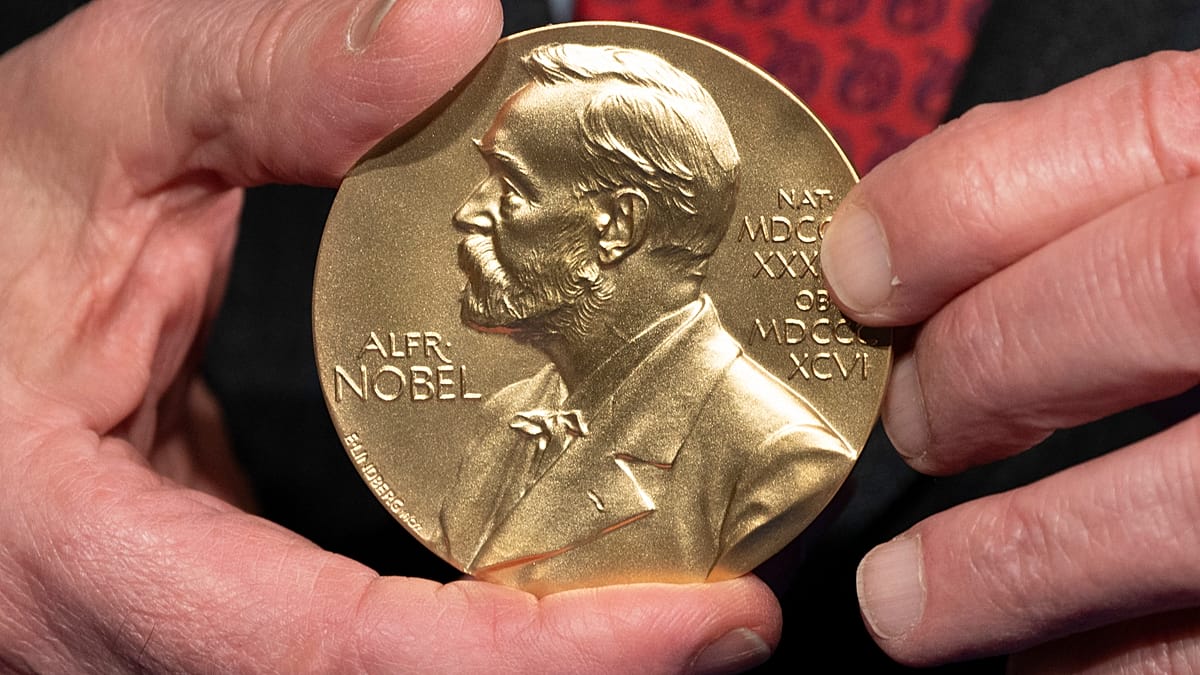
Since 1901, the Nobel Prize in Physiology or Medicine has been awarded 116 times to 232 laureates. This year's prize carries a cash award of 12 million Swedish kronor (approximately €1.09 million), which can be shared among multiple winners or given to an organisation.
A week of announcements
The medicine prize is just the first in a series of Nobel announcements this week. The physics prize will follow on Tuesday, chemistry on Wednesday, and literature on Thursday. Friday brings the peace prize, and the Nobel Memorial Prize in Economic Sciences will be announced on 12 October.
The formal award ceremony will take place on 10 December, the anniversary of the death of Alfred Nobel, the Swedish industrialist and inventor of dynamite who established the prizes in his will. Nobel died in 1896, and his legacy continues to shape global recognition of scientific and cultural achievement.
While the identity of this year's medicine laureates remains unknown, experts in the field are already speculating about potential candidates. Recent years have seen a trend toward recognising fundamental research that has direct clinical applications, particularly in immunology and oncology. The selection of last year's winners, who focused on immune regulation, suggests that the committee values discoveries that bridge basic science and patient care.
European research institutions have a strong track record in the Nobel Prizes, with many laureates hailing from universities and laboratories across the continent. The Karolinska Institute itself, which awards the medicine prize, is a hub of biomedical research, and its selection process is closely watched by scientists worldwide.
As the week unfolds, attention will also turn to the broader implications of the awards. The Nobel Prizes not only honour individual achievements but also highlight the importance of sustained investment in science and education. In an era of global challenges, from pandemics to climate change, the recognition of pioneering research serves as a reminder of the value of curiosity-driven inquiry.
For those interested in related honours, the Right Livelihood Award, often called the 'Alternative Nobel', has recently recognised activists and researchers who address pressing social and environmental issues. Meanwhile, the Barcelona's coastal redesign has been named a finalist for the Earthshot Prize, underscoring the continent's commitment to sustainability.
The Nobel Prize announcements are a moment of global attention, but they also resonate deeply within Europe, where many of the laureates have studied or worked. As the week progresses, the continent will be watching closely to see which discoveries and individuals are elevated to the highest echelons of scientific honour.