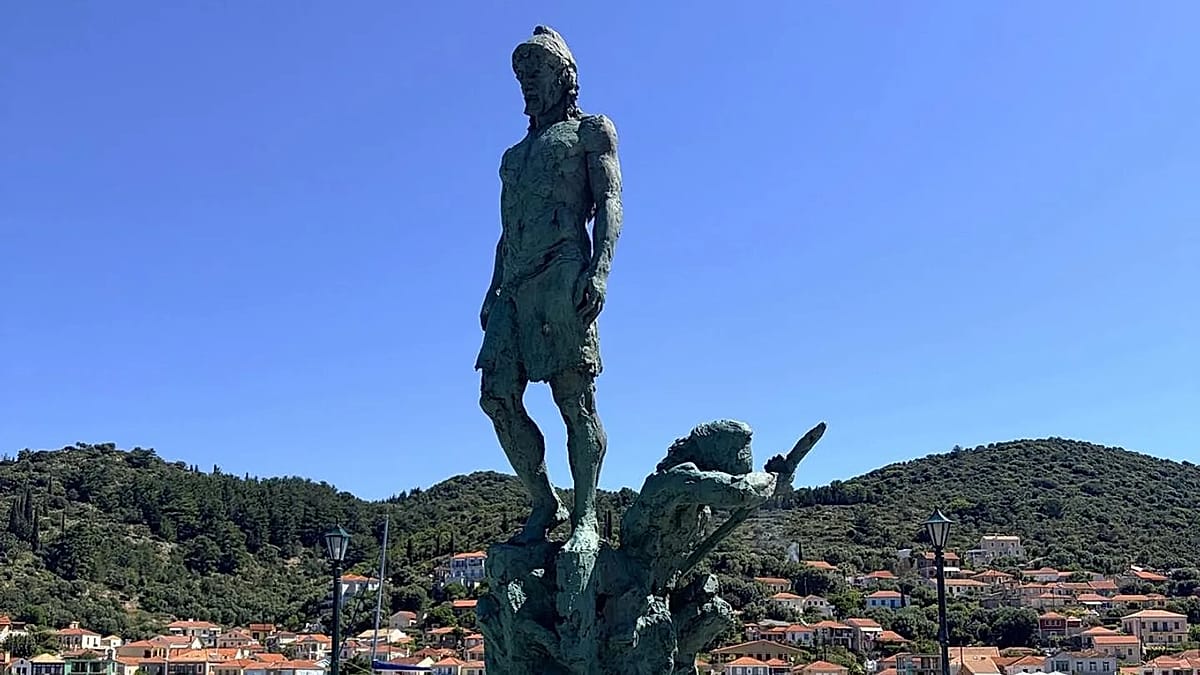
The Greek island of Ithaca, long known as the mythical home of Odysseus, is bracing for a wave of visitors following the release of Christopher Nolan's blockbuster adaptation of Homer's epic. Local authorities and business owners are already preparing for what they hope will be a transformative season, as the film shines an international spotlight on one of the Ionian Sea's most storied destinations.
Ithaca's mayor, Dionysis Stanitsas, told local media that the island has seen a noticeable uptick in inquiries since the film's trailer debuted. "We are expecting a significant increase in tourist arrivals, especially from the United States and northern Europe," he said. "The island has always had a special place in the hearts of those who know the Odyssey, but this film will introduce it to a whole new generation."
The production, which reportedly shot scenes on location in Sicily and the Greek mainland, has already generated buzz for its star-studded cast and Nolan's signature visual style. While Ithaca itself was not a primary filming location, the island's mythological resonance is expected to draw fans eager to walk in the footsteps of Odysseus.
Preparing for the influx
Local tourism officials are not leaving things to chance. The municipality has announced plans to improve signage, upgrade port facilities, and train guides in the island's Homeric history. Hotels and guesthouses are already reporting early bookings for the summer months, and some are considering extending their seasons to accommodate the expected rush.
"We are used to a steady flow of visitors, but this feels different," said Maria Kourti, who runs a family-owned guesthouse in Vathy, the island's capital. "People are asking about the sites connected to Odysseus, like the Cave of the Nymphs and the ruins of the ancient city. We are trying to make sure we can offer them a meaningful experience."
The surge is not without its challenges. Ithaca's infrastructure is limited, and residents are wary of the kind of overtourism that has affected other Greek islands such as Santorini and Mykonos. Local authorities are keen to promote sustainable tourism that respects the island's character and environment.
"We want to welcome visitors, but we also want to protect what makes Ithaca special," Stanitsas said. "We are working with regional and national bodies to ensure that growth is managed carefully."
The phenomenon is not unique to Ithaca. Film-induced tourism has become a significant driver for destinations across Europe, from the economic ripple effects of sports moves to the cultural pull of cinematic landmarks. The trend underscores how pop culture can reshape travel patterns, often with lasting consequences for local communities.
For Ithaca, the challenge will be to balance the economic benefits of a tourism boom with the preservation of its heritage. The island's archaeological sites, including the so-called Palace of Odysseus, are already drawing more attention, and officials are considering measures to manage visitor numbers at sensitive locations.
Meanwhile, the film's release has also sparked interest in the broader region. Nearby islands such as Kefalonia and Lefkada, which also claim connections to the Odyssey, are likely to benefit from spillover tourism. Regional tourism boards are already coordinating marketing efforts to promote the Ionian archipelago as a whole.
Not everyone is convinced that the hype will translate into a lasting boom. Some local business owners remember past spikes in interest that faded quickly after the initial media attention. "We have seen this before with documentaries and books," said Nikos Papadopoulos, a taverna owner in the village of Kioni. "But we are hopeful that this time it will be different, because the film is a global event."
The release of 'The Odyssey' is scheduled for 2026, giving Ithaca time to prepare. In the meantime, the island is already seeing an increase in media coverage and travel features, which could help sustain interest beyond the film's theatrical run.
For travelers, the appeal of Ithaca lies not just in its mythological past but in its unspoiled landscapes, quiet coves, and traditional villages. As one local guide put it, "Odysseus took ten years to find his way home. We hope our visitors will find their way here much faster."
As the island gears up for what could be its busiest season in decades, the hope is that the attention will bring not just crowds, but a deeper appreciation for a place that has inspired storytellers for millennia. For now, Ithaca is ready to welcome the world.