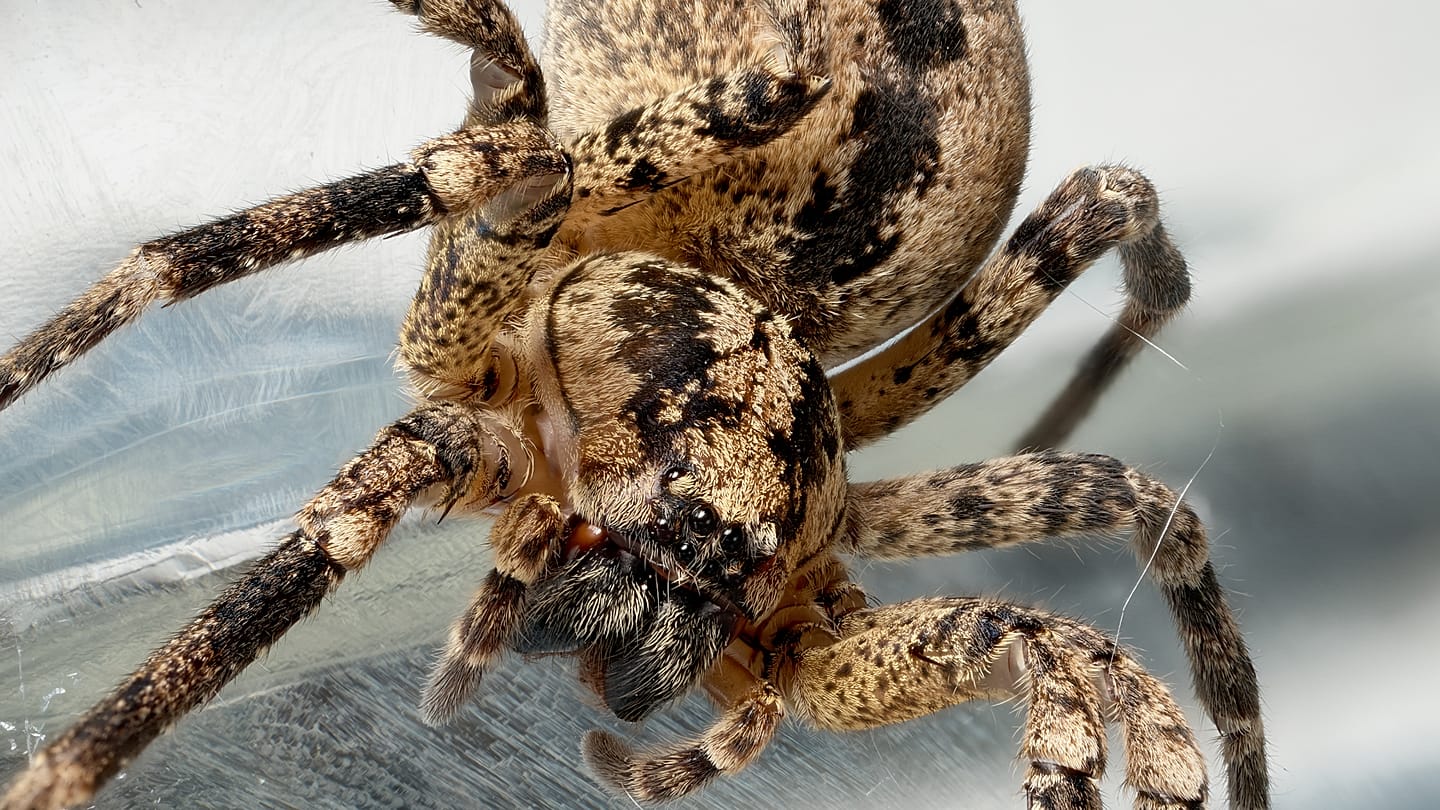
Germany's nature conservation group NABU has been monitoring the spread of the Nosferatu spider (Zoropsis spinimana) for years, and recent reports confirm it has now reached the Baltic Sea coast. The arachnid, which can grow up to six centimetres across including its legs, is increasingly common on the islands of Rügen and Usedom, popular tourist destinations in Mecklenburg-Vorpommern.
How Dangerous Is the Nosferatu Spider?
The Nosferatu spider is native to the Mediterranean region but has been expanding its range northward, likely aided by warmer temperatures and global trade. In Germany, it was first spotted in the southwest and has gradually colonised new areas. Its appearance — pale body with dark markings and long, hairy legs — can be alarming, but experts stress that its venom is not medically significant for humans.
According to NABU, the spider's bite is comparable to a wasp sting: painful, but rarely causing serious complications. Localised swelling, redness, and itching are the most common symptoms. Allergic reactions are possible, as with any insect or spider bite, but are extremely rare. The spider is not aggressive and typically only bites if provoked or trapped against skin.
What to Do If You Are Bitten
If a Nosferatu spider bites you, remain calm. The first step is to wash the bite area thoroughly with soap and water to reduce the risk of infection. Applying a cold compress or ice pack can help reduce swelling and numb the pain. Over-the-counter antihistamine creams or oral antihistamines may relieve itching.
Monitor the bite for signs of an allergic reaction, such as difficulty breathing, rapid swelling spreading beyond the bite site, or dizziness. In such rare cases, seek medical attention immediately. For most people, symptoms subside within a few hours to a day. NABU advises against trying to capture or kill the spider; instead, gently relocate it outdoors if found indoors.
The spread of the Nosferatu spider is part of a broader pattern of species migration linked to climate change. As Europe warms, more Mediterranean species are establishing themselves in northern regions. This phenomenon is not unique to spiders — it also affects insects, plants, and even marine life in the Baltic Sea.
For those planning a holiday on Rügen or Usedom, the spider's presence is no cause for alarm. The Baltic coast remains a safe and enjoyable destination. As with any wildlife encounter, a respectful distance is the best policy.