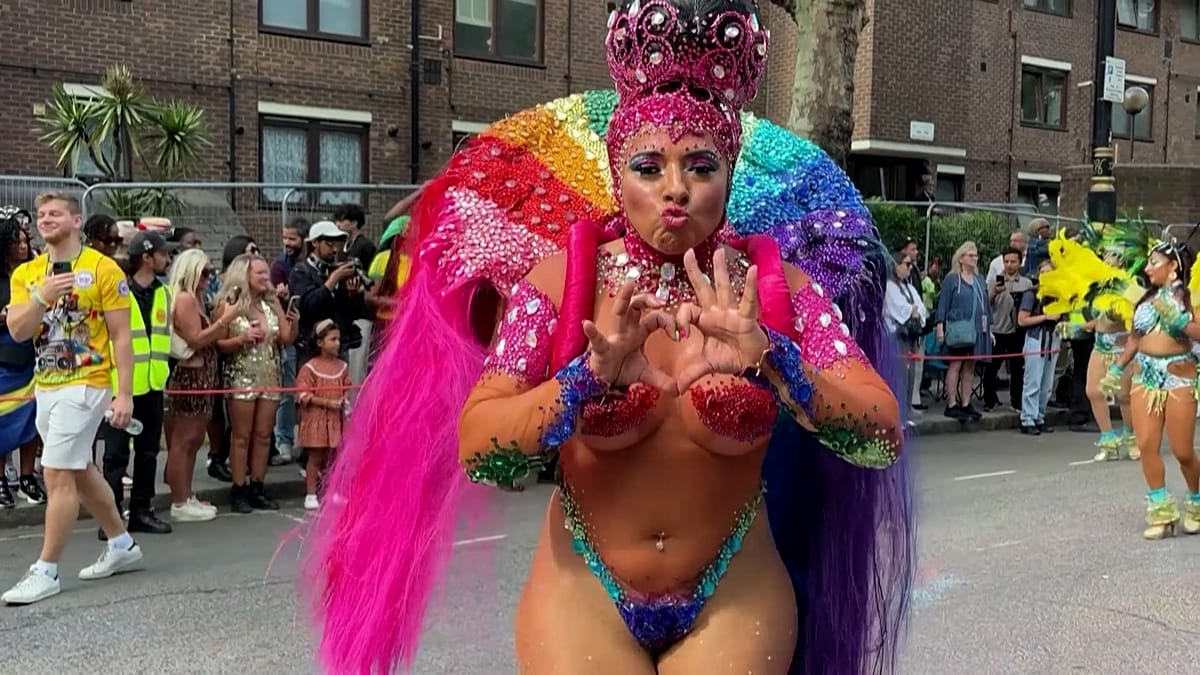
The Notting Hill Carnival, Europe's largest street festival, made a vibrant return to west London over the August bank holiday weekend, marking its 60th anniversary. The event, which has become a cornerstone of British Afro-Caribbean culture, drew hundreds of thousands of participants and spectators to the streets of Notting Hill, Ladbroke Grove, and Westbourne Park.
This year's edition was particularly significant, as it commemorated six decades since the first carnival was held in 1966, when a small gathering of Trinidadian immigrants sought to bring a taste of their home to their new community. Since then, it has grown into a sprawling celebration of music, dance, and costume, attracting visitors from across the UK and beyond.
The carnival's signature sound was as diverse as ever, with sound systems pumping out reggae, soca, calypso, and dancehall, while steel pan bands and masquerade troupes wound their way through the neighbourhood. For those wanting to delve deeper into the musical heritage, our colleagues have compiled a playlist of ten defining tracks chosen by carnival veterans, offering a sonic journey through the event's history.
Beyond the music, the carnival is a powerful expression of identity and community. It has long been a platform for social commentary, with many costumes and floats carrying political and cultural messages. This year, organisers placed a particular emphasis on the carnival's roots in the Windrush generation, whose members arrived in the UK from the Caribbean between 1948 and 1971 and faced significant discrimination and hardship.
A celebration with deep European resonance
The Notting Hill Carnival is not just a London event; it is a reflection of the broader European experience of migration, cultural exchange, and integration. As cities across Europe grapple with questions of identity and belonging, the carnival stands as a testament to the positive contributions of diaspora communities. It is a reminder that cultural festivals can serve as bridges, fostering understanding and mutual respect.
This year's festivities also coincided with a series of cultural events across the continent, from Céline Dion's return to Paris to the landmark Bayeux Tapestry exhibition in London, underscoring the rich tapestry of European cultural life.
Security was a key concern for organisers and police alike, given the large crowds and the recent history of incidents at major public events. Metropolitan Police deployed additional officers, and stewards were stationed throughout the route to ensure the safety of revellers. Despite the challenges, the atmosphere remained largely peaceful and celebratory.
The economic impact of the carnival is also significant. It is estimated to generate tens of millions of pounds for the local economy, supporting small businesses, food vendors, and artists. For many, it is a vital source of income and a showcase for their talents.
As the sun set on another successful carnival, the sounds of steel drums and the sight of feathered costumes lingered in the air. For the thousands who took part, it was a moment of joy and pride. For the wider European audience, it was a reminder of the power of culture to unite and inspire.
The Notting Hill Carnival's 60th anniversary was more than a party; it was a milestone in the ongoing story of Britain's multicultural society. As the event continues to evolve, it remains a vital part of the continent's cultural calendar, drawing visitors from Paris, Berlin, and beyond, and reinforcing the ties that bind Europe's diverse communities.